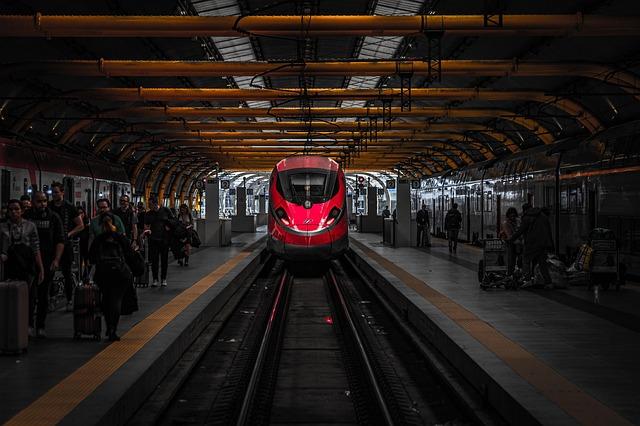
After years of planning, delays, and debate, the California High Speed Rail project is poised to take a significant step forward as officials prepare to advance construction and secure additional funding. Promising to connect major urban centers and transform transportation across the state, the ambitious initiative faces persistent challenges including budget concerns, legal hurdles, and logistical complexities. As the project moves into its next phase, stakeholders remain cautiously optimistic about its potential impact amid ongoing obstacles.
California High Speed Rail Project Advances Toward Key Construction Milestone
The California High Speed Rail project has reached a pivotal phase, signaling a significant push towards the commencement of major construction activities. As planning and preparatory work draw to a close, officials are set to greenlight contracts that will mobilize crews and equipment along critical segments of the Central Valley corridor. This development marks a testament to years of strategic planning, funding realignments, and environmental approvals that collectively pave the way for turning ambitious rail visions into tangible infrastructure.
Despite this progress, key challenges remain that could impact the timeline and budget. Stakeholders continue to navigate complex issues, including:
- Land acquisition disputes with local property owners slowing right-of-way access.
- Supply chain constraints affecting the availability of essential materials and equipment.
- Regulatory hurdles tied to environmental compliance and community impact mitigations.
- Funding uncertainties driven by fluctuating federal and state budget allocations.
| Milestone | Status | Expected Completion |
|---|---|---|
| Environmental Clearances | Completed | Q1 2024 |
| Land Acquisition | In Progress | Q4 2024 |
| Construction Mobilization | Pending | Q3 2024 |
| Track Laying Phase | Upcoming | 2025 |
Addressing Funding Gaps and Regulatory Hurdles to Ensure Timely Progress
The California High-Speed Rail project, poised to revolutionize transit across the state, continues to face significant financial obstacles. While initial allocations have propelled construction in key regions, the evolving scope demands sustained investment. State officials and private partners are actively exploring diversified funding streams, including public-private partnerships, federal grants, and green infrastructure bonds, to bridge the current budget gap. Without these crucial resources, critical milestones risk delays, impacting both timelines and public confidence.
On the regulatory front, the project confronts a complex web of approvals designed to ensure safety and environmental compliance. Streamlining these processes remains a top priority, balancing rigorous oversight with efficient execution. Key challenges include:
- Environmental impact assessments requiring extensive coordination among state and federal agencies
- Right-of-way acquisitions complicated by community negotiations and legal proceedings
- Permitting delays stemming from overlapping jurisdictional requirements
| Challenge | Current Status | Next Steps |
|---|---|---|
| Funding Gap | Estimated $3.5B shortfall | Secure diversified investments |
| Environmental Review | 85% completed | Final reports by Q4 2024 |
| Permitting Process | Multiple agencies involved | Initiate regulatory task force |
Community Engagement and Environmental Strategies Crucial for Future Success
Active participation from local communities is proving to be a cornerstone of the project’s advancement. Stakeholders across various regions have voiced their concerns and suggestions, emphasizing the need for transparent communication channels and equitable benefits distribution. To address this, project leaders have launched a series of town hall meetings and digital platforms aimed at fostering dialogue and trust. These efforts not only help in mitigating opposition but also accelerate timelines by aligning public interest with development goals.
On the environmental front, the project integrates cutting-edge strategies designed to minimize ecological impact while enhancing sustainability. Components such as wildlife corridors, noise-reducing technology, and renewable energy integration demonstrate a commitment to green infrastructure. The table below highlights some key environmental initiatives and their projected benefits:
| Initiative | Purpose | Expected Benefit |
|---|---|---|
| Wildlife Crossings | Protect native species | Reduce animal-vehicle collisions by 70% |
| Renewable Energy Use | Reduce carbon footprint | Cut emissions by 40% during operations |
| Noise Barriers | Limit noise pollution in urban areas | Lower ambient noise by 15 decibels |
The Way Forward
As the California High Speed Rail project prepares to advance to its next phase, stakeholders remain cautiously optimistic about the potential benefits of faster, cleaner transportation across the state. Yet, significant hurdles-ranging from funding uncertainties to regulatory and logistical complexities-continue to cast a shadow over the rail line’s future. How policymakers, contractors, and community leaders navigate these challenges will be critical in determining whether this ambitious vision can ultimately be realized. The coming months will be a decisive period for California’s high-speed rail aspirations.