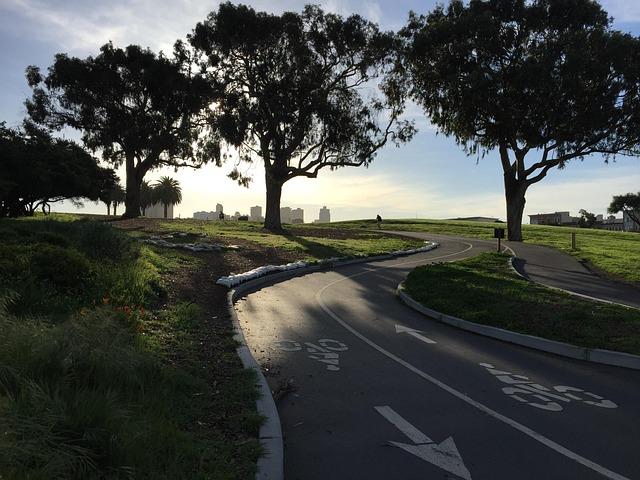
As San Francisco approaches 2026, its beloved public parks face a pivotal moment of change and challenge. From ambitious new developments promising enhanced recreational spaces to pressing threats posed by budget constraints and environmental concerns, the city’s green areas are at a crossroads. This article examines the latest updates on San Francisco parks-highlighting what improvements residents can look forward to, alongside the risks that could reshape the future of these vital urban oases.
San Francisco Parks Embrace Green Innovation and Community Spaces
San Francisco’s parks are undergoing a transformative wave of sustainability-focused upgrades, reflecting the city’s commitment to environmental stewardship. Innovative features like solar-powered lighting, drought-resistant native plantings, and smart irrigation systems are now integral to several major green spaces. These enhancements not only reduce the carbon footprint but also foster resilience against droughts and rising urban temperatures. Moreover, community-led gardens and interactive educational kiosks are becoming common, encouraging local residents to participate actively in maintaining and understanding their natural surroundings.
However, these developments come amid concerns regarding budget cuts and potential privatization of some parklands. Advocacy groups warn that valuable open spaces, especially smaller neighborhood parks, could face degradation or loss if funding is not secured. Below is a quick overview of key parks, their innovation status, and current risks:
| Park Name | Green Innovation | At-Risk Concerns |
|---|---|---|
| Golden Gate Park | Solar lighting, native plant restoration | Maintenance budget cuts |
| Mission Dolores Park | Community gardens, drip irrigation | Overuse and crowding |
| Alamo Square | Smart irrigation | Privatization debate ongoing |
| Yerba Buena Gardens | Interactive kiosks, rain gardens | Event permitting pressures |
Upcoming Challenges Threaten Historic Parklands and Urban Wildlife
Historic parklands in San Francisco are facing unprecedented threats as urban development accelerates and climate change impacts become more tangible. Experts warn that rising temperatures and erratic weather patterns are putting strain on iconic ecosystems within parks such as Golden Gate Park and the Presidio. Endangered native species, including the western pond turtle and certain migratory birds, are at increased risk due to habitat fragmentation and shrinking green corridors. Urban encroachment has led to more frequent human-wildlife interactions, challenging conservation efforts and calling for urgent intervention from city planners.
Beyond ecological concerns, the parklands are grappling with infrastructure challenges. Aging pathways and recreational facilities require upgrades to accommodate growing visitor numbers while preserving the natural environment. The city is also evaluating the impact of proposed high-density housing projects adjacent to several green spaces, with community groups advocating for protective buffer zones. Below is a snapshot of key challenges and their projected impact on San Francisco’s urban wildlife and parklands by the end of 2026:
| Challenge | Projected Impact | Mitigation Efforts |
|---|---|---|
| Climate Change | Habitat loss and species migration | Native plant restoration programs |
| Urban Expansion | Fragmented green corridors | Development restrictions and greenbelt designations |
| Visitor Overuse | Trail erosion and litter accumulation | Enhanced park maintenance and education campaigns |
Experts Call for Increased Funding and Sustainable Management Practices
City planners and environmental specialists emphasize the urgent need for increased financial support to safeguard San Francisco’s treasured green spaces. With urban development encroaching and climate change intensifying, maintaining these parks requires not only greater investment but also a shift towards sustainable management methods. Experts warn that without action, beloved landmarks like Golden Gate Park and the Presidio could face irreversible damage, threatening biodiversity and recreational value for millions of residents.
Key recommendations from the panel include:
- Expanded budget allocations focused on habitat restoration and infrastructure resilience
- Community engagement programs to foster local stewardship and education
- Implementation of eco-friendly landscaping to reduce water consumption and pollution
- Regular environmental impact assessments to guide adaptive park management
| Funding Area | Current Budget | Proposed Increase |
|---|---|---|
| Habitat Restoration | $4.5M | $7.2M |
| Infrastructure Improvement | $3.8M | $6.1M |
| Community Programs | $2.1M | $4.0M |
| Water Conservation | $1.5M | $3.3M |
Closing Remarks
As San Francisco looks toward 2026, its parks stand at a pivotal crossroads. With new developments promising enhanced recreational spaces and environmental initiatives, the city aims to enrich the urban green landscape for residents and visitors alike. However, looming budget constraints and potential policy shifts pose risks that could impact park maintenance and accessibility. The coming years will be crucial in determining whether San Francisco’s parks can continue to serve as vibrant, inclusive havens amid a rapidly changing urban environment. Stakeholders and community members alike will need to stay engaged to ensure these cherished public spaces thrive well into the future.