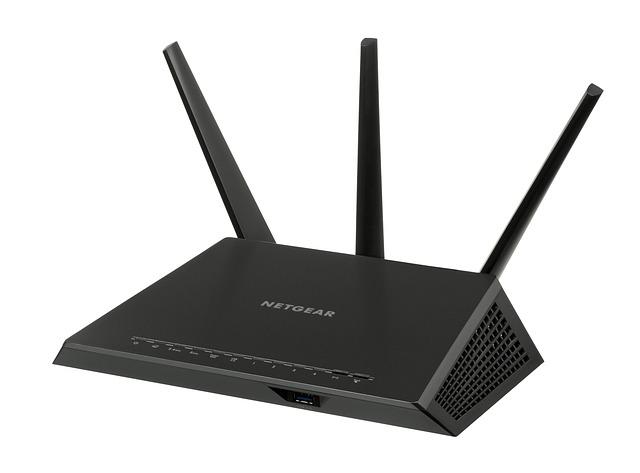
Dozier-Libbey High School is grappling with ongoing internet connectivity issues that have disrupted daily operations and hindered both teaching and learning. Despite multiple attempts to address the problems, students and staff continue to face unreliable Wi-Fi access, raising concerns about the impact on educational outcomes and prompting calls for urgent infrastructure upgrades. This persistent digital disruption underscores broader challenges schools face in maintaining dependable technology in an increasingly connected academic environment.
Wi-Fi Woes Disrupt Learning Environment at Dozier-Libbey High
Students and faculty at Dozier-Libbey High have been grappling with ongoing Wi-Fi disruptions, which have severely impacted daily instructional activities. Teachers report frequent interruptions during virtual lessons and difficulties accessing essential online resources, leading to mounting frustrations among the school community. Despite repeated complaints, the connectivity issues persist, with many classrooms experiencing slowed speeds and intermittent dropouts that undermine the quality of education.
Key challenges highlighted include:
- Unstable connections: Wi-Fi frequently disconnects during crucial exam periods and collaborative assignments.
- Limited bandwidth: Overloaded networks strain under simultaneous usage by students and staff.
- Inadequate infrastructure: Legacy routers and outdated hardware fail to support modern digital learning needs.
| Issue | Impact | Frequency |
|---|---|---|
| Connection Drops | Class Interruptions | Daily |
| Slow Download Speeds | Delayed Assignment Access | Several times/week |
| Router Failures | Network Outages | Weekly |
Technical Challenges Rooted in Outdated Infrastructure and Increased Demand
Dozier-Libbey High continues to battle frequent internet interruptions, a situation largely attributed to aging hardware and an infrastructure that has struggled to keep pace with the school’s expanding digital needs. The current network equipment, installed nearly a decade ago, lacks the capacity to manage the volume of simultaneous connections as student and faculty device usage skyrockets. Consequently, students face frustrating delays during crucial digital coursework, while staff members experience interruptions that impact administrative efficiency.
Compounding these limitations, the outdated routers and access points cannot handle the surge in bandwidth demand during peak hours. According to internal network reports, the system overloads often occur between 9 a.m. and 1 p.m., coinciding with core class sessions reliant on online resources. A summary of the core technical issues is outlined below:
- Legacy hardware: Equipment beyond its recommended lifecycle
- Bandwidth bottlenecks: Network chokes during high traffic periods
- Insufficient access points: Limited signal coverage in key areas
- Lack of scalability: Infrastructure ill-equipped for future growth
| Issue | Impact | Frequency |
|---|---|---|
| Router Overload | Connection Drops | Daily |
| Signal Dead Zones | Access Limitations | Multiple Locations |
| Slow Bandwidth | Delayed Loading | High Traffic Times |
Experts Urge Investment in Network Upgrades and Comprehensive IT Support
Specialists in education technology emphasize that Dozier-Libbey High’s ongoing internet issues are more than just a minor inconvenience; they are a barrier to student success and effective teaching. To overcome these challenges, experts are calling for a strategic overhaul of the school’s network infrastructure, which should include:
- Upgrading routers and access points to support higher bandwidth and more simultaneous connections.
- Implementing enterprise-grade network security to protect sensitive student data.
- Regular performance audits to proactively identify bottlenecks before they impact classroom activities.
Coupled with physical hardware improvements, professionals highlight the necessity of robust IT support systems. This includes establishing a dedicated help desk for rapid response, ongoing staff training to minimize downtime, and a continuous review cycle for keeping pace with technological advancements. Without these comprehensive measures, the school risks falling further behind in digital learning capabilities.
| Proposed Upgrade | Expected Benefit |
|---|---|
| Wi-Fi 6 Access Points | Improved speed and capacity |
| 24/7 IT Support Team | Reduced downtime |
| Network Monitoring Software | Proactive issue detection |
Final Thoughts
As Dozier-Libbey High continues to grapple with persistent Wi-Fi connectivity issues, the impact on students and staff remains a pressing concern. While school officials work toward long-term solutions, the current disruptions underscore the critical need for reliable internet access in today’s educational environment. Without swift and effective intervention, the digital divide at Dozier-Libbey may only widen, hindering academic progress and classroom engagement for the school community.