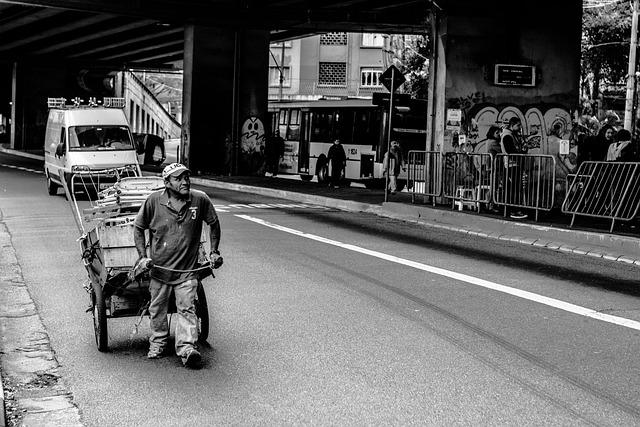
San Francisco continues to offer free one-way bus and plane tickets to homeless residents willing to relocate, part of an ongoing effort to address the city’s persistent homelessness crisis. Despite the availability of these no-cost departures to other cities, many individuals experiencing homelessness are declining the assistance, highlighting the complexities and challenges faced by officials in addressing the root causes of homelessness. This article explores the program’s intentions, the reasons behind residents’ reluctance, and the broader implications for San Francisco’s housing and social services landscape.
San Francisco’s Controversial Strategy to Address Homelessness Faces Resistance
San Francisco’s initiative to offer homeless residents one-way tickets out of the city aims to reduce its visible homelessness crisis by encouraging relocation to other cities or states. Despite the city’s claims that this approach provides a fresh start and access to family or support networks elsewhere, many recipients refuse the offer. Critics argue that the program overlooks the complex social and economic factors that contribute to homelessness, such as lack of affordable housing, mental health services, and employment opportunities. Consequently, the tickets are often seen as a temporary fix rather than a sustainable solution.
Key reasons for resistance include:
- Attachment to established communities and local support networks
- Fear of facing homelessness or instability in unfamiliar locations
- Distrust of the city’s long-term commitment to improving conditions
- Concerns about losing access to healthcare and social services
| City’s Claim | Homeless Resident’s Concern |
|---|---|
| Fresh start in a new location | Loss of existing support networks |
| Reduced visible homelessness locally | Displacement without permanent solutions |
| Encouragement to reunite with family | Family estrangement or lack of contacts |
Understanding the Complex Reasons Many Homeless Residents Decline Free Relocation Offer
Many homeless individuals in San Francisco hesitate to accept free relocation offers despite the apparent benefits. One of the primary reasons is the lack of trust in government programs and the fear of starting over in unfamiliar environments. For some, the city’s services, despite being limited, are more predictable than moving to an unknown destination without guaranteed support networks. Additionally, people’s attachments to their current neighborhoods-often based on proximity to friends, access to familiar resources, or a sense of community-play a critical role in their decision-making process.
Practical concerns also persist. Relocating means leaving behind established routines and potentially vital informal support systems. Many homeless residents express worries about job opportunities, healthcare access, and affordable housing in the cities where they would be relocated. These factors contribute to a complex calculus that often outweighs the appeal of a free one-way ticket. The following table summarizes key concerns voiced by homeless individuals who decline relocation offers:
| Primary Concern | Description |
|---|---|
| Trust Issues | Skepticism towards government programs and fear of abandonment |
| Community Ties | Established social networks and familiarity with local resources |
| Access to Services | Uncertainty about healthcare, jobs, and housing in new locations |
| Routine Stability | Fear of disruption in daily life and loss of autonomy |
Experts Urge Holistic Solutions Beyond Ticket Programs to Tackle Root Causes of Homelessness
While the initiative to provide homeless individuals with free one-way tickets out of San Francisco may offer immediate relief, experts warn it fails to address the systemic problems fueling homelessness. Advocates emphasize that root causes such as soaring housing costs, mental health issues, and inadequate access to support services require comprehensive solutions rather than quick fixes. Reliance on ticket programs risks displacing vulnerable populations without ensuring they land in communities equipped with sustainable resources.
Experts recommend a multidisciplinary approach, including:
- Expanding affordable housing developments with supportive care
- Increasing funding for mental health and addiction treatment programs
- Implementing job training and employment assistance tailored to individual needs
- Strengthening local social services to prevent homelessness before it starts
| Solution Area | Projected Impact |
|---|---|
| Affordable Housing | Reduce chronic homelessness by 40% |
| Mental Health Services | Improve recovery rates by 30% |
| Employment Programs | Increase job placements by 25% |
| Community Outreach | Enhance service engagement by 35% |
Final Thoughts
As San Francisco continues to grapple with its complex homelessness crisis, the city’s policy of offering free one-way tickets to displaced residents remains a contentious and challenging endeavor. While the program aims to provide an option for those seeking a fresh start elsewhere, many individuals refuse the offer, underscoring that simply relocating does not address the deeper issues of housing affordability, mental health, and social support. Moving forward, experts and city officials alike acknowledge that sustainable solutions will require a multifaceted approach-one that goes beyond transportation and tackles the root causes of homelessness in the community.