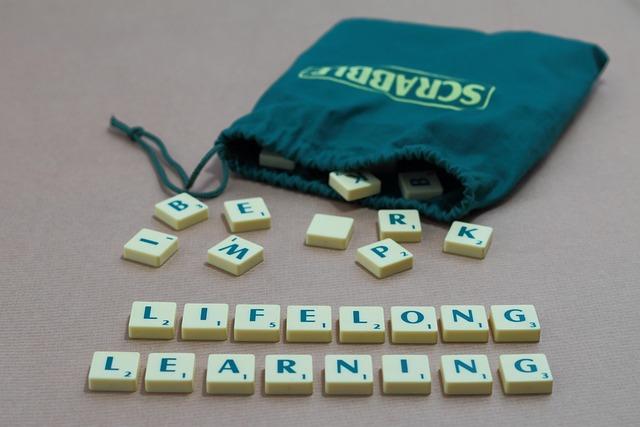
A recent panel hosted by Stanford University has spotlighted the critical role of lifelong learning in sustaining longer work lives amid rising life expectancy. As populations age and retirement ages shift, experts emphasized that continuous skill development is essential not only for individual career longevity but also for maintaining a competitive and adaptable workforce. The discussion shed light on how education systems, employers, and policymakers must collaborate to support ongoing learning opportunities throughout adulthood, ensuring economic security and well-being in an era of extended longevity.
Stanford Longevity Panel Emphasizes Continuous Learning as Key to Extended Careers
In recent discussions spotlighting workforce sustainability, experts underscored that continuous education is no longer optional but essential for thriving in lengthened professional journeys. With career spans extending well beyond traditional retirement ages, adapting skills to evolving industries becomes critical. Panelists stressed that embracing a growth mindset enables workers to remain competitive, engaged, and valuable across decades of employment. Highlighted strategies include:
- Regular skill assessments to identify gaps
- Access to affordable online courses and certifications
- Employer-supported learning initiatives
- Integration of mentorship programs for knowledge transfer
The panel also presented data outlining the rise in demand for lifelong learning programs among older employees. Companies investing in learning ecosystems report higher retention rates and innovation output, proving the business case for education throughout the career lifecycle.
| Metric | Before Lifelong Learning Initiatives | After Implementation |
|---|---|---|
| Employee Retention | 67% | 85% |
| Average Skill Update Frequency | 2 years | 8 months |
| Innovation Project Participation | 40% | 65% |
Adapting Skills and Mindsets Critical for Thriving in Longer Work Lives
As career trajectories lengthen, the ability to continually evolve both skills and mindsets becomes indispensable. Panel experts emphasized that embracing a growth mindset-characterized by openness to change, resilience, and curiosity-is just as important as acquiring technical competencies. This shift ensures individuals remain adaptable in the face of rapid technological advances and shifting workplace demands. Practical lifelong learning strategies such as micro-credentialing, hands-on workshops, and peer collaboration were highlighted as effective tools to sustain professional relevance over decades.
To illustrate the key attributes critical for long-term career resilience, the panel presented the following core competencies:
- Digital fluency: Navigating new technologies with ease
- Emotional intelligence: Building strong interpersonal relationships
- Critical thinking: Solving complex problems creatively
- Agility: Quickly pivoting in response to changing conditions
- Self-directed learning: Proactively seeking knowledge and skill upgrades
| Skill Set | Mindset Trait | Impact on Long Work Life |
|---|---|---|
| Technological Competency | Growth Mindset | Enables adaptation to new tools |
| Collaboration Skills | Empathy | Fosters productive teamwork |
| Problem Solving | Resilience | Overcomes workplace challenges |
| Time Management | Self-discipline | Maintains productivity over time |
Experts Recommend Policy Changes to Foster Lifelong Education and Workforce Flexibility
Leading voices from the Stanford longevity panel emphasize that current workforce structures are ill-equipped to accommodate the realities of extended career spans. They urge policymakers to implement reforms that prioritize ongoing education and skill adaptability, enabling employees to navigate evolving job markets with confidence. Key recommendations include expanding access to affordable, modular learning programs and incentivizing employers to support continuous professional development.
The panel also advocates for policies that promote flexible work arrangements, citing the need to balance productivity with well-being across diverse age groups. Suggested measures focus on:
- Encouraging lifelong learning through tax credits and subsidies
- Introducing phased retirement options combined with part-time roles
- Building public-private partnerships to bridge skill gaps
- Updating labor regulations to reflect career fluidity
| Policy Area | Proposed Change | Expected Impact |
|---|---|---|
| Education Funding | Expand grants for adult learning | Increase skill acquisition rates |
| Workplace Flexibility | Legalize staggered retirements | Retain experienced talent longer |
| Labor Law | Modernize job classification | Adapt to portfolio careers |
To Wrap It Up
As the Stanford longevity panel underscores, the shift toward longer work lives necessitates a renewed commitment to lifelong learning. With careers extending well beyond traditional retirement ages, continuous skill development and adaptability will be essential for individuals and employers alike. This evolving landscape poses challenges but also opportunities to reshape workforce policies and educational frameworks, ensuring that workers remain resilient and productive in an age defined by longevity.