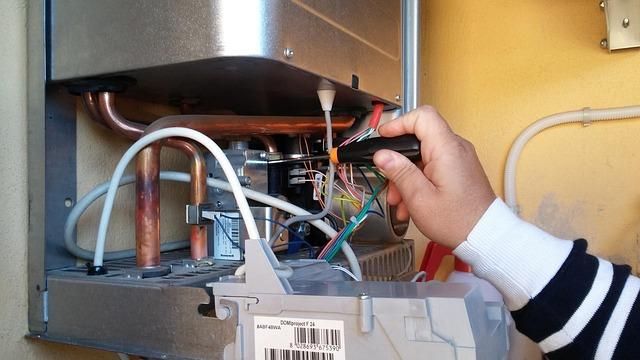
Replacing a broken water heater in the Bay Area is poised to become significantly more costly, according to a recent report by the San Francisco Chronicle. Rising permit fees, stricter building codes, and increased labor costs are combining to push prices upward for homeowners and landlords alike. As demand for plumbing services surges in the region, experts warn that the financial burden of upgrading or replacing aging water heaters could strain household budgets and complicate property maintenance across the Bay Area.
Rising Costs and Supply Chain Challenges Impact Bay Area Water Heater Replacements
The Bay Area is facing a significant surge in costs for water heater replacements, largely driven by persistent supply chain disruptions and inflationary pressures. Manufacturers report delays in key components such as heating elements and tanks, leading to extended wait times for homeowners. These bottlenecks, coupled with rising raw material prices, have caused installers to increase service fees, sparking concern among residents already grappling with a high cost of living. Industry experts warn that without swift intervention, these price hikes could persist throughout the year.
Several factors are contributing to the upward trend:
- Global shortages of copper and steel, essential for water heater production
- Increased transportation costs due to fuel price volatility
- Limited labor availability, resulting in longer project timelines
| Cost Factor | Estimated Price Increase | Average Delay |
|---|---|---|
| Parts & Materials | 15-25% | 4-6 weeks |
| Labor Costs | 10-18% | 2-3 weeks |
| Transportation | 8-15% | 3-5 weeks |
How New Regulations Are Driving Up Installation Expenses for Homeowners
New statewide mandates are significantly increasing the costs for homeowners needing to replace water heaters. The regulations require installation of energy-efficient models that meet strict emissions standards, alongside upgraded venting systems and enhanced safety features. These changes come in response to California’s aggressive climate goals but come with steep price tags passed directly to consumers. Contractors report that the average installation bill has surged by 30-50%, as older, non-compliant units are no longer permissible and additional labor is required to meet code.
Compounding the expense, local jurisdictions in the Bay Area have imposed further requirements, such as:
- Mandatory permits and inspection fees, which have nearly doubled in some counties.
- Insulation upgrades to reduce heat loss, increasing material costs.
- Restrictions on fuel types, pushing many homeowners toward electric or hybrid systems.
| Expense Category | Impact on Cost | Notes |
|---|---|---|
| Permits & Inspection | +$300 to $600 | Varies by city/county |
| Equipment Upgrade | +$800 to $1500 | Energy-efficient model required |
| Labor & Installation | +$400 to $900 | Additional compliance work |
Expert Tips for Navigating Price Hikes and Finding Affordable Replacement Options
With the rising costs of materials and labor, homeowners in the Bay Area face a challenging market for water heater replacements. To mitigate the financial impact, experts recommend exploring alternative energy-efficient models, which may qualify for local rebates and lower operational expenses over time. Additionally, consider purchasing from certified local distributors rather than big-box stores; these sources often provide better warranty packages and personalized service that can reduce unexpected costs down the line.
Smart shopping strategies include:
- Timing purchases during sales events or end-of-season clearances
- Evaluating tankless vs. traditional storage models based on long-term needs
- Requesting multiple quotes from licensed installers to ensure competitive pricing
- Checking eligibility for state and utility incentives aimed at energy-efficient appliances
To provide clearer guidance, here’s a snapshot comparison of common replacement options and their estimated upfront costs in the Bay Area market:
| Model | Average Cost (Installation Included) | Energy Efficiency | Rebate Availability | |||||||||||||
|---|---|---|---|---|---|---|---|---|---|---|---|---|---|---|---|---|
| Traditional Storage Tank | $1,200 – $1,800 | Moderate | Limited | |||||||||||||
| High-Efficiency Tank Storage | $1,800 – $2,400 | High | Available | |||||||||||||
| Tankless Water It looks like the last row of your table got cut off. Based on the context, I can help complete that section and provide a full comparison table for common water heater replacement options along with their average costs, energy efficiency, and rebate availability in the Bay Area market.
Here’s a completed version of your table with typical information for a Tankless Water Heater and a Heat Pump Water Heater (another energy-efficient option):
|