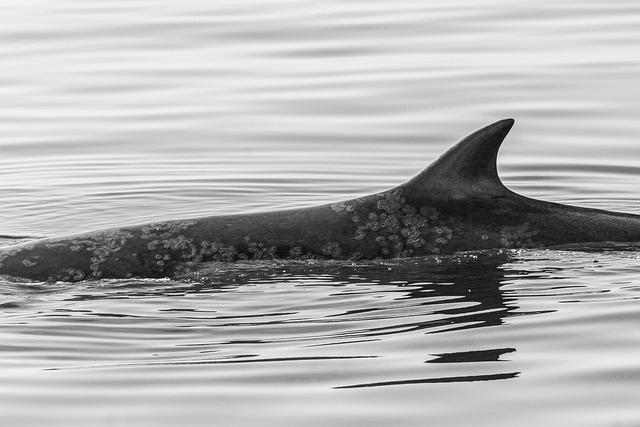
Nearly one in five gray whales that enter San Francisco Bay ultimately perish, according to recent scientific findings. This alarming mortality rate has raised concerns among marine biologists and conservationists, shedding new light on the risks these iconic marine mammals face in coastal urban environments. Researchers are now investigating the factors contributing to these deaths, aiming to better understand and mitigate the threats to gray whale populations navigating this heavily trafficked waterway.
Gray Whale Mortality Rates Soar After Entering San Francisco Bay
Recent studies reveal a troubling surge in gray whale mortality once these majestic creatures enter San Francisco Bay. Researchers have observed that nearly 20% of gray whales that venture into the bay fail to survive, an alarming statistic that has triggered urgent calls for further investigation. Contributing factors appear to involve a combination of environmental stressors, including noise pollution, ship traffic, and limited food availability, which collectively disrupt the whales’ natural behavior and migration patterns.
Experts emphasize the need to address several critical concerns linked to this phenomenon:
- Increased risk of vessel strikes due to dense shipping lanes
- Exposure to contaminants from industrial runoff and urban waste
- Disorientation caused by sonar and loud human activities
- Reduced prey density affecting whale nourishment and energy reserves
| Cause | Estimated Impact on Mortality |
|---|---|
| Vessel Collisions | 35% |
| Pollution Exposure | 25% |
| Food Scarcity | 20% |
| Noise Disturbance | 20% |
Experts Identify Key Environmental and Human-Related Threats to Gray Whales
Recent studies by marine biologists have highlighted a concerning trend affecting gray whales that stray into the San Francisco Bay. Experts point to a combination of environmental challenges such as rising water temperatures, increased pollution levels, and habitat disruption caused by urban development. These factors severely impact the whales’ natural behaviors, from feeding patterns to migration routes, ultimately increasing mortality rates. Human-related threats like shipping traffic and fishing gear entanglement further exacerbate the risks, leading to nearly 20% of these visiting gray whales meeting untimely deaths in the area.
Key threats identified include:
- Water Pollution: Chemical contaminants and runoff substances poisoning whale habitats.
- Noise Disturbance: Elevated noise from boats disrupting whale communication and navigation.
- Ship Strikes: Collisions with vessels, especially in congested bay areas.
- Entanglement: Fishing nets and debris causing injuries or incapacitation.
| Threat | Impact | Estimated Mortality Contribution |
|---|---|---|
| Water Pollution | Health deterioration, compromised immune function | 30% |
| Ship Strikes | Traumatic injuries, fatal collisions | 25% |
| Noise Disturbance | Disrupted feeding, migration confusion | 20% |
| Entanglement | Restricted movement, infection | 15% |
| Others | Predation, disease, unknown factors | 10% |
Scientists Urge Immediate Conservation Measures to Protect Vulnerable Whale Populations
Recent studies reveal alarming mortality rates among gray whales navigating through San Francisco Bay, with nearly 20% failing to survive the passage. Scientists believe these casualties are linked to a combination of factors including increased vessel traffic, pollution, and disruptions in their natural feeding patterns. The urgent situation calls for immediate intervention to safeguard these majestic marine mammals, whose populations have already been stressed by climate change and habitat loss.
To address the crisis, experts advocate for a series of targeted conservation measures aimed at reducing human impact in critical whale corridors. Key recommendations include:
- Implementing stricter vessel speed limits to minimize ship strikes
- Establishing protected marine zones to preserve feeding and breeding grounds
- Enhancing water quality monitoring to combat harmful pollutants
- Increasing public awareness about the risks whales face in urban waterways
| Conservation Action | Expected Impact | Timeline |
|---|---|---|
| Speed Limit Enforcement | Decrease collisions by 40% | 6 months |
| Protected Zones Expansion | Increase safe habitat by 30% | 1 year |
| Pollution Control Programs | Reduce toxin exposure | Ongoing |
| Awareness Campaigns | Boost community engagement | 3 months |
To Conclude
As researchers continue to investigate the troubling mortality rate among gray whales entering San Francisco Bay, experts emphasize the urgent need for enhanced monitoring and protective measures. Understanding the factors driving these deaths is crucial not only for the preservation of this iconic species but also for maintaining the health of coastal ecosystems. With nearly one in five gray whales succumbing after venturing into the bay, stakeholders are calling for collaborative efforts to safeguard the future of these majestic marine mammals.