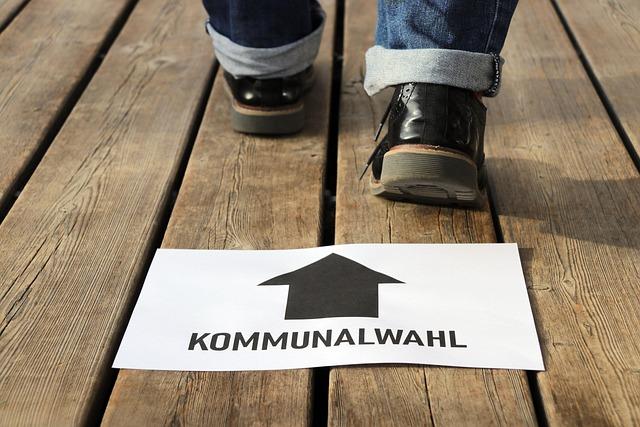
San Francisco is facing an unprecedented drop in voter turnout this election cycle, with participation rates hovering near historic lows. As polls close and analysts scramble to understand the shift, questions arise about why so few residents are casting their ballots on Election Day itself. This trend marks a significant departure from previous years, prompting a closer look at changing voting habits, demographic shifts, and the evolving political landscape in the city. What factors are driving San Franciscans away from the polls, and what does this mean for the future of local democracy?
Factors Contributing to Historically Low Voter Turnout in San Francisco
San Francisco’s persistent struggle with low voter turnout can be traced to a combination of socio-economic and procedural factors that discourage participation. Despite being a politically engaged city in many respects, residents face barriers such as weekday elections, lack of accessible polling locations, and limited voting hours, all of which complicate Election Day logistics for working individuals and families. Moreover, the city’s diverse and transient population often lacks consistent engagement with local political processes, further dampening turnout rates.
Additionally, voter fatigue fueled by a constantly crowded ballot and the proliferation of mail-in ballots have shifted the traditional voting culture. While mail-in voting enables convenience, it also unintentionally reduces public enthusiasm for active participation on Election Day itself. The following table highlights key contributing factors along with their estimated influence on turnout decline:
| Factor | Impact on Turnout |
|---|---|
| Weekday Scheduling | High |
| Polling Location Accessibility | Moderate |
| Voter Fatigue & Ballot Length | High |
| Mail-in Ballot Preferences | Moderate |
| Population Transience | Low to Moderate |
These overlapping elements collectively contribute to a growing disconnect between San Francisco’s elections and its voter base, framing Election Day as more of a formality than a civic rite. Without structural reforms targeting accessibility and voter engagement, this trend threatens to stagnate or deepen in future cycles.
The Shift Away from Election Day Voting and Its Impact on Participation
Over the past decade, the traditional image of voters lining up at polling booths on Election Day has dramatically shifted. A surge in early voting, mail-in ballots, and drop-box usage has redefined when and how people cast their votes. This transition has been fueled by increased accessibility efforts, pandemic-related restrictions, and changing voter preferences. Early voting now offers the convenience of avoiding long waits and scheduling conflicts, allowing a more flexible approach compared to the once rigid Election Day-only model. Interestingly, these alternatives appear to both diversify and fragment the voting experience, raising questions about the civic culture tied specifically to Election Day itself.
The impact of this shift on overall participation is complex. While early and mail-in voting options have made the process more inclusive, some experts argue that the diffusion of voting days dilutes the communal urgency and energy traditionally associated with Election Day. This behavioral change is reflected in the stark contrast of turnout numbers:
| Voting Method | 2012 SF Participation | 2022 SF Participation |
|---|---|---|
| Election Day In-Person | 65% | 28% |
| Early Voting (In-Person + Mail) | 30% | 60% |
| Other Methods (Drop Boxes, Online Requests) | 5% | 12% |
- Convenience: Voters are prioritizing flexibility over tradition.
- Accessibility: Remote and early voting options reduce barriers.
- Decline of Ritual: Voting’s communal aspect tied to a single day is fading.
This evolving participation landscape suggests that while technological and procedural innovations increase voter accessibility, they also reshape how citizens engage with the democratic process. The waning of Election Day turnout doesn’t necessarily signal voter apathy but rather a fundamental shift in democratic habits and perceptions.
Strategies to Reinvigorate Voter Engagement and Boost Election Day Attendance
To combat plummeting voter turnout, local governments and advocacy groups are exploring innovative methods to rekindle civic participation. Expanding early voting options and prolonged polling hours accommodate diverse work schedules, while introducing mobile voting stations in neighborhoods increases accessibility. Education campaigns tailored to younger voters through social media platforms, combined with transparent communication about ballot measures, can counteract feelings of disconnection or apathy. Local initiatives also emphasize collaborative efforts with community organizations to build trust and dispel misinformation surrounding elections.
Technological enhancements and incentives have shown promising results in pilot programs across various jurisdictions. Consider the following tactics being tested or proposed:
- Text message reminders and simplified online registration to reduce friction in the voting process
- Election Day festivals and public celebrations designed to transform voting into a community event
- Ride-share partnerships offering free transportation to polling sites
- Enhanced polling station experiences with entertainment, food vendors, and child care services
| Strategy | Potential Impact | Status |
|---|---|---|
| Early Voting Expansion | +15% Turnout Increase | Implemented in 5 Districts |
| Mobile Voting Stations | +8% Accessibility Boost | Pilot Phase |
| Early Voting Expansion | +15% Turnout Increase | Implemented in 5 Districts |
| Mobile Voting Stations | +8% Accessibility Boost | Pilot Phase |
| Text Message Reminders | +10% Registration Rate | Testing in 3 Cities |
| Election Day Festivals | +12% Community Engagement | Proposed |
| Ride-share Partnerships | +5% Turnout Increase | Launched in 2 Areas |
| Enhanced Polling Station Experience | Improved Voter Satisfaction | Pilot Phase |