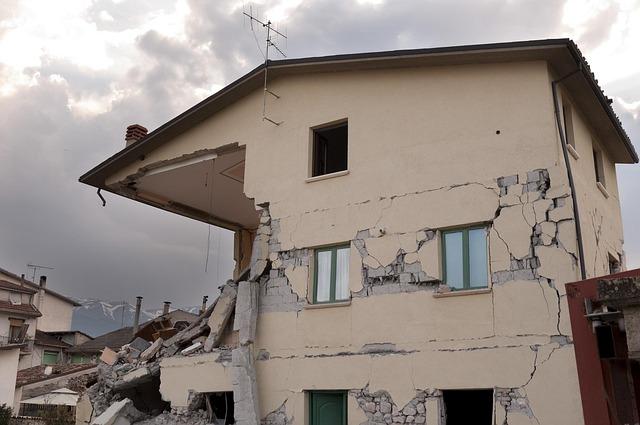
Early Sunday morning, residents across the East Bay were jolted awake as a series of earthquakes rattled the region, prompting widespread concern and a flurry of emergency responses. The seismic activity, which began shortly before dawn, caused structural damage in some communities and disrupted daily routines. Authorities are continuing to assess the impact and advise the public to remain vigilant in the aftermath of the tremors.
East Bay Residents Experience Multiple Tremors Early Sunday
Residents throughout the East Bay were awakened early Sunday morning as a series of tremors rattled the region. The initial quake, recorded at magnitude 3.8, was followed by several smaller aftershocks within the hour, causing unease among local communities. While no major damages or injuries have been reported, the sudden activity serves as a stark reminder of the area’s seismic volatility. Authorities advise residents to review emergency preparedness plans and remain alert for official updates.
- Timing: First tremor struck at approximately 5:15 a.m.
- Epicenter: Located near Oakland, roughly 8 miles underground
- Frequency: Five tremors exceeding 2.0 magnitude recorded within two hours
- Community Impact: Numerous reports of shaking felt in Berkeley, Alameda, and Richmond
| Time (PDT) | Magnitude | Location |
|---|---|---|
| 5:15 a.m. | 3.8 | Oakland |
| 5:38 a.m. | 2.5 | Berkeley |
| 6:05 a.m. | 2.1 | Alameda |
| 6:20 a.m. | 2.7 | Richmond |
| 6:43 a.m. | 2.0 | San Leandro |
Seismic Experts Explain Potential Causes and Aftershock Risks
Seismologists attribute the recent East Bay tremors to a sudden release of strain along the Hayward Fault, part of the complex San Andreas Fault system. According to experts, the fault had been under increasing stress for months, raising the probability of seismic activity. Factors such as tectonic plate movement and localized geological stress created ideal conditions for the quake. Additionally, scientists emphasize that small-to-moderate earthquakes in this region often serve as indicators of shifting subterranean pressures, warranting close monitoring.
Aftershocks remain a significant concern in the hours and days following the main event. Experts warn residents to remain alert because these secondary quakes can vary in magnitude and pose dangers to already weakened infrastructure. Typical characteristics of aftershocks include:
- Frequency: Dozens to hundreds can occur, decreasing over time
- Magnitude: Usually smaller but occasionally strong enough to cause damage
- Duration: Can last weeks or even months following the primary quake
| Aftershock Probability | Magnitude Range | Time Frame |
|---|---|---|
| High (70%) | 2.5 – 4.5 | First 48 hours |
| Moderate (50%) | 2.0 – 3.5 | Week 1 |
| Low (20%) | Below 3.0 | Weeks 2 – 4 |
Safety Officials Advise Preparedness Measures for Future Earthquakes
Emergency management agencies across the East Bay are urging residents to take proactive steps to enhance their safety in the wake of recent seismic activity. Officials emphasize that preparation can significantly reduce risks and improve response during future earthquakes. Key recommendations include securing heavy furniture to walls, assembling emergency supply kits stocked with water, non-perishable food, and first aid materials, and developing clear family communication plans to ensure everyone knows how to reconnect if separated.
Local authorities also highlight the importance of community engagement, encouraging residents to participate in earthquake drills and stay informed about local alert systems. Below is a quick checklist endorsed by safety officials for earthquake readiness:
- Identify safe spots in your home such as under sturdy tables
- Practice “Drop, Cover, and Hold On” regularly
- Keep important documents in a waterproof and portable container
- Review and update insurance policies to cover earthquake damages
| Preparedness Step | Suggested Items or Actions | Estimated Cost |
|---|---|---|
| Emergency Supply Kit | Water, Food, First-Aid | $50-$100 |
| Furniture Anchoring | Anchors, Straps | $20-$60 |
| Communication Plan | Phone Numbers, Meeting Spots | Free |
| Insurance Review | Update or Add Earthquake Coverage | Varies |
Insights and Conclusions
As aftershocks continue to be monitored, local authorities urge residents to remain vigilant and follow safety guidelines. Emergency services are assessing any damage and offering support where needed. Updates will be provided as more information becomes available.