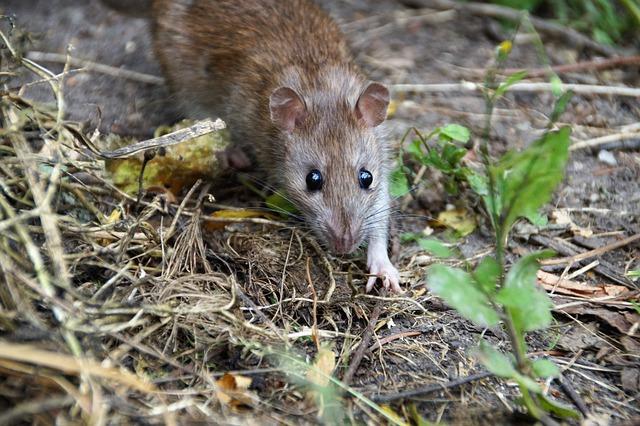
Berkeley health officials have reported a troubling case involving a patient diagnosed with leptospirosis who was found to have bred wild rats prior to their death. The rare bacterial infection, typically transmitted through contact with contaminated animal urine, has raised concerns about potential public health risks in the community. Authorities are now investigating the circumstances surrounding the case to prevent further exposure and to raise awareness about the dangers associated with handling wild rodents.
Leptospirosis Case Linked to Bred Wild Rats Sparks Concern in Berkeley
Health officials in Berkeley have identified a recent leptospirosis case tied to an individual who had been breeding wild rats prior to their passing. The patient’s activities have raised alarms about the potential spread of this bacterial infection, which is commonly transmitted through contact with contaminated water or animals. Authorities emphasize the significance of cautious handling and proper sanitation when dealing with wild rodents to mitigate risks of exposure.
Key facts surrounding this case include:
- The patient was actively breeding wild rats for several months before symptom onset.
- Leptospirosis can cause severe flu-like symptoms, kidney damage, or liver failure if untreated.
- Berkeley Public Health recommends immediate medical evaluation for those exposed to wild rats.
- Preventative measures such as protective gear and thorough handwashing are essential for breeders and handlers.
| Symptom | Prevalence |
|---|---|
| Fever & chills | 80% |
| Muscle aches | 70% |
| Jaundice | 25% |
| Respiratory issues | 15% |
Health Officials Urge Precautions for Residents Handling Wild Rodents
Berkeley health officials have reported a recent leptospirosis case linked to an individual who bred wild rats prior to their death. This rare bacterial infection, often transmitted through contact with water contaminated by urine from infected animals, poses a serious health risk, especially for those handling wild rodents. Experts stress that even brief exposure to wild rats or their environments can lead to infection if proper precautions are not taken.
Residents and rodent breeders are advised to follow these crucial safety measures:
- Wear durable gloves and protective clothing when handling or cleaning cages.
- Disinfect all surfaces and equipment thoroughly with appropriate cleaning agents.
- Avoid direct contact with rodent urine or contaminated water sources.
- Wash hands and exposed skin immediately after handling rodents or related materials.
- Ensure rodents are raised in clean, hygienic conditions to minimize infection risks.
| Symptom | Typical Onset | Recommended Action |
|---|---|---|
| Fever and chills | 5-14 days | Seek medical attention promptly |
| Muscle aches | Within a week | Rest and monitor symptoms |
| Jaundice | After one week | Immediate hospitalization |
Preventing Leptospirosis Transmission Through Proper Rodent Management
Mitigating the risk of leptospirosis requires stringent control of rodent populations, as rats are the primary carriers of the Leptospira bacteria. Health officials emphasize the importance of eliminating breeding grounds by sealing entry points to homes and workplaces, removing food sources, and maintaining cleanliness in outdoor environments. Proper waste management, including secure garbage bins and regular disposal, is critical to discourage wild rat infestations. Personal protective equipment (PPE) such as gloves and boots should be utilized when cleaning potentially contaminated areas to reduce direct exposure.
Community involvement plays a pivotal role in rodent control efforts. Local authorities recommend coordinated rodent control programs that include:
- Regular surveillance and trapping to monitor rat activity
- Safe use of rodenticides following environmental guidelines
- Public education campaigns focused on sanitation and safety
- Prompt reporting of infestations to health departments
| Method | Benefit | Notes |
|---|---|---|
| Sealing Entry Points | Prevents rodent access indoors | Use metal mesh or concrete patches |
| Proper Waste Management | Reduces food sources | Store trash in sealed containers |
| Rodenticide Application | Controls population effectively | Follow safety regulations strictly |
| Community Awareness | Enhances preventive measures | Engage residents through education |
To Conclude
As health officials continue to investigate the circumstances surrounding the leptospirosis case, they emphasize the importance of vigilance and proper hygiene when handling wild animals. Residents are urged to report any unusual rodent activity and to take precautions to prevent potential exposure to the disease. The Berkeley health department remains committed to monitoring the situation and providing updates to ensure community safety.