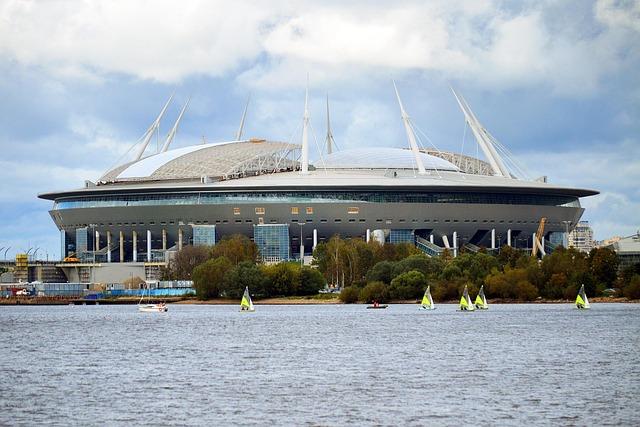
The Bay Area witnessed a surge in public transit usage as thousands of FIFA World Cup fans flocked to the region’s first match, setting new ridership records across multiple transit systems. Transport agencies reported unprecedented numbers, highlighting the critical role of public transportation in managing large-scale sporting events. The influx of soccer enthusiasts not only energized local neighborhoods but also underscored the growing demand for reliable and efficient transit options during major international events.
FIFA World Cup Spurs Unprecedented Surge in Bay Area Public Transit Usage
The electrifying atmosphere surrounding the Bay Area’s inaugural FIFA World Cup match translated into a phenomenal uptick in public transit usage. Transit agencies across the region reported record-breaking ridership numbers, fueled by passionate fans eager to witness the spectacle live. From light rail to buses, the collective movement of tens of thousands of spectators marked a pivotal moment for sustainable transportation in the region, showcasing a clear preference for public transit over private vehicles during major events.
Key data highlights from transit providers underscore this surge:
- Caltrain: 45% increase in weekend ridership compared to previous events
- BART: Over 100,000 trips recorded on match day, a new single-day high
- VTA Light Rail: Ridership doubled compared to regular Saturdays
| Transit Mode | Typical Ridership | Match Day Ridership | Percentage Increase |
|---|---|---|---|
| BART | 65,000 trips | 100,000 trips | 54% |
| Caltrain | 20,000 trips | 29,000 trips | 45% |
| VTA Light Rail | 12,000 trips | 24,000 trips | 100% |
Transit officials credit comprehensive pre-event planning and real-time communication via apps and social media for the seamless flow of fans. Enhanced service schedules, coupled with dedicated staff support at key stations, ensured that the surge in passengers was managed with minimal delays or disruptions, turning what could have been a logistical nightmare into a model of efficiency under pressure.
City Transit Authorities Navigate Crowd Management Challenges with Strategic Planning
As crowds surged to the Bay Area’s transit hubs during the highly anticipated first match of the FIFA World Cup, transit authorities demonstrated the effectiveness of meticulous strategic planning. By enhancing service frequency and deploying additional staff at key stations, they successfully managed passenger flow despite the unprecedented ridership levels. Critical to this success was the integration of real-time monitoring systems, allowing for rapid adjustments to train intervals and crowd control measures, ensuring safety and minimizing delays.
Key strategies deployed included:
- Extended operating hours to accommodate late-night departures
- Designated entry and exit points to streamline movement
- Mobile alerts guiding passengers on crowd density and alternative routes
- Collaboration with local law enforcement for on-ground crowd assistance
| Measure | Impact | Outcome |
|---|---|---|
| Increased Train Frequency | Reduced platform congestion | 30% faster boarding times |
| Real-Time Crowd Monitoring | Immediate response capability | Zero major safety incidents |
| Staff Deployment | Improved passenger assistance | Higher customer satisfaction rates |
Experts Recommend Expanded Service Hours and Increased Capacity for Future Major Sporting Events
Transportation experts are urging local authorities to significantly expand service hours and increase vehicle capacity ahead of upcoming major sporting events, responding to the surge in public transit demand observed during the Bay Area’s inaugural FIFA World Cup match. The unprecedented ridership numbers exposed current system limitations, prompting calls for strategic investments that accommodate extended schedules and high passenger volumes. Key recommendations include deploying additional trains and buses during peak event times, as well as bolstering late-night services to manage the post-match exodus efficiently.
Significant operational adjustments are proposed to ensure smooth transit experiences for thousands of fans, involving:
- Extended weekend and weekday service windows to cover early arrivals and late departures.
- Increased vehicle frequency on heavily trafficked routes connecting to stadiums.
- Enhanced staffing and security presence to manage crowds and maintain safety.
- Real-time crowd monitoring technologies to dynamically adjust capacity and operations.
| Measure | Current Capacity | Recommended Upgrade | Expected Impact |
|---|---|---|---|
| Train Frequency | 4 trains/hour | 8 trains/hour | Doubles commuter throughput |
| Service Hours | 6am-10pm | 4am-1am | Accommodates early arrivals & late departures |
| Bus Fleet Size | 50 buses | 75 buses | Reduces wait times |
The Conclusion
As the Bay Area celebrated its inaugural FIFA World Cup match, public transit systems experienced an unprecedented surge in ridership, underscoring the vital role of efficient transportation in supporting large-scale sporting events. Officials say the record-breaking numbers not only eased traffic congestion but also highlighted the community’s enthusiasm and commitment to sustainable travel options. With more matches on the horizon, transit agencies are preparing to build on this momentum, ensuring fans can continue to rely on public transportation throughout the tournament and beyond.