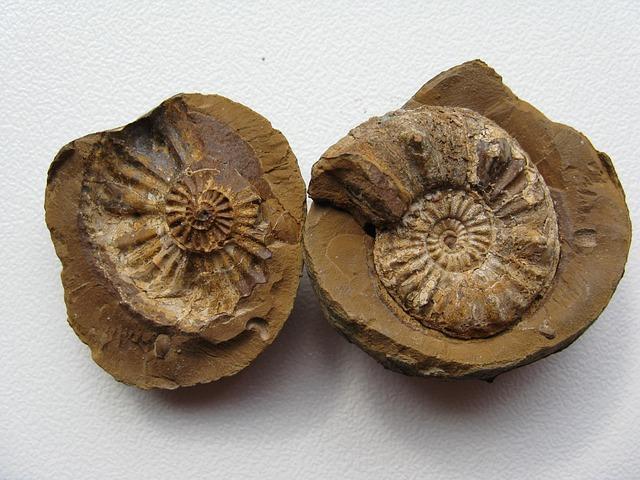
A remarkable fossil discovery at UC Berkeley has provided fresh insights into the evolution of saber-toothed cats, rewriting previous understandings of these iconic prehistoric predators. Unearthed during a recent excavation on the university’s campus, the well-preserved feline specimen offers a rare glimpse into the anatomy and development of early saber-toothed species. Researchers say the find could help clarify the evolutionary path of these formidable carnivores, long celebrated for their distinctive elongated canine teeth and fearsome hunting adaptations.
UC Berkeley Discovery Reveals Unexpected Traits in Saber-Toothed Cat Ancestors
Newly unearthed fossils at UC Berkeley have challenged long-held beliefs about the physical and behavioral evolution of early saber-toothed cats. Unlike their famously large and fearsome descendants, these ancestors exhibited unexpectedly small body sizes and a set of anatomical features more akin to modern-day wildcats than the iconic predators known from popular culture. Researchers believe these traits suggest a more agile and versatile hunting style, allowing the creatures to occupy a unique ecological niche during their period.
Key discoveries highlight:
- Smaller skull and jaw structures indicating less specialization for large prey.
- Enhanced limb flexibility pointing to possible arboreal or swift terrestrial movement.
- Dental patterns reflecting a diet more diverse than previously assumed for saber-toothed species.
| Trait | Ancestor Species | Typical Saber-Toothed Cats |
|---|---|---|
| Body Size | 50-70 kg | 150-300 kg |
| Jaw Robustness | Moderate | Highly Robust |
| Hunting Style | Agile, Small Prey | Powerful, Large Prey |
New Fossil Evidence Challenges Prevailing Theories on Predator Evolution
Researchers at UC Berkeley have uncovered a remarkably well-preserved feline fossil that upends long-standing assumptions about the evolutionary timeline of saber-toothed cats. This specimen, estimated to be over 12 million years old, exhibits a unique combination of anatomical traits previously unseen in known fossils. Notably, the fossil displays an early adaptation toward the iconic elongated canine teeth, but with skeletal features suggesting a more agile, arboreal lifestyle than traditionally attributed to these predators. This discovery indicates that saber-toothed cats may have evolved diverse hunting strategies earlier than scientists believed, prompting a reevaluation of predator evolution during the Miocene epoch.
Key findings from this study include:
- Canine morphology: Intermediate between primitive felids and later saber-toothed species, showing gradual specialization.
- Limb structure: Indicating enhanced climbing ability rather than purely terrestrial locomotion.
- Predatory behavior: Suggesting a mixed hunting style involving ambush and stealth in forested environments.
| Trait | Previous Theory | New UC Berkeley Fossil |
|---|---|---|
| Canine Length | Fully elongated at 15+ million years ago | Semi-elongated, transitional form |
| Habitat | Open grasslands | Forested, arboreal-friendly |
| Flexibility | Primarily terrestrial | High climbing ability |
Experts Call for Expanded Paleontological Surveys to Uncover Further Insights
### Summary of the section:
– Paleontologists are calling for broader, more systematic fossil surveys, especially focused on saber-toothed cats.
– Recent discoveries suggest significant anatomical variations and geographical gaps in fossil records.
– Expanding surveys can fill evolutionary timelines and migration patterns.
– New excavation technologies support less invasive, more precise field methods.
– Target regions include Northern California, the Pacific Northwest, and the Intermountain West.
– Survey focuses include fossil diversity, stratigraphic analysis, and paleoclimate correlations.
If you want, I can also help with rewriting, summarizing, or extracting specific information from this content!
In Summary
The discovery of the rare feline fossil at UC Berkeley not only enriches our understanding of saber-toothed cats but also offers valuable insights into their evolutionary history. As researchers continue to study the specimen, this find promises to reshape prevailing theories about how these iconic predators adapted and thrived millions of years ago. With each new fossil unearthed, the story of prehistoric life becomes clearer, underscoring the vital role of paleontology in unraveling the mysteries of our planet’s distant past.