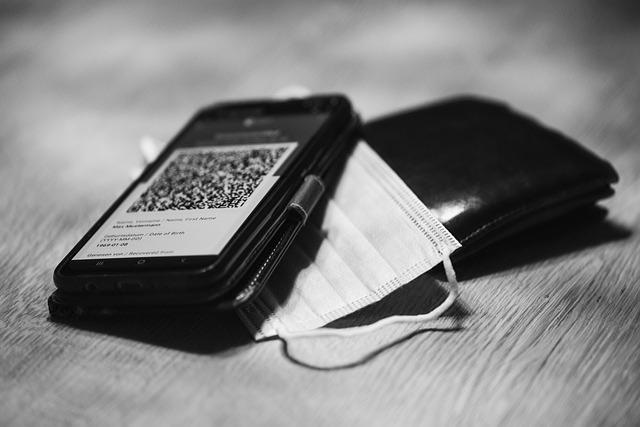
A new QR code scam targeting customers of Pacific Gas and Electric Company (PG&E) has resulted in more than $211,000 in losses across the Bay Area, officials revealed Tuesday. The sophisticated fraud involves phishing messages that prompt victims to scan malicious QR codes, redirecting them to fake payment sites where scammers steal sensitive financial information. Authorities are urging residents to remain vigilant and verify any communication claiming to be from PG&E amid the surge in reported incidents.
New QR Code Scam Exploits PG&E Customers with Sophisticated Phishing Tactics
Bay Area residents have fallen victim to a highly sophisticated phishing scheme involving fraudulent QR codes purportedly from PG&E (Pacific Gas & Electric Company). Scammers distribute these codes through emails and text messages, prompting recipients to scan them for urgent bill payment or service updates. Upon scanning, customers are directed to a convincing fake PG&E payment portal designed to harvest sensitive financial data. This latest scam has already resulted in losses exceeding $211,000, with victims reporting unauthorized transactions and compromised bank accounts.
PG&E officials urge customers to remain vigilant and verify the legitimacy of any communication requesting payment or personal information. To protect yourself from this scam, consider the following precautions:
- Always verify the sender’s email address or phone number before engaging.
- Avoid scanning QR codes received unsolicited via email or text.
- Visit official PG&E websites directly rather than following links or QR codes from unknown sources.
- Enable multi-factor authentication on any accounts linked to utility services.
| Scam Indicator | What to Watch For |
|---|---|
| Suspicious Sender Info | Email addresses that don’t end with “@pge.com” |
| Urgent Payment Requests | Messages insisting on immediate action or threats of shutoff |
| Fake Payment Portals | Websites that look official but have unusual URLs |
| Unexpected QR Codes | Codes sent through unsolicited texts or emails |
How Bay Area Residents Lost Over Two Hundred Thousand Dollars to Fraudsters
In recent months, a sophisticated scam involving fraudulent QR codes has swept through the Bay Area, preying predominantly on PG&E customers. Scammers cleverly disguised these codes as official payment methods in emails and physical mailers, prompting unsuspecting victims to scan and submit payments directly to the fraudsters. The scam’s rapid spread has led to losses exceeding $211,000, with victims reporting charges that appeared legitimate at first glance, only to realize the deception days or weeks later.
Authorities urge residents to be vigilant, especially when receiving unexpected payment requests. Key red flags associated with this scam include:
- Emails or letters urging immediate payment with threats of service disconnection
- QR codes that redirect to non-official websites
- Payment confirmation messages lacking detailed account information
- Unsolicited requests for payment outside normal billing cycles
| Type of Fraudulent Contact | Reported Cases | Average Loss per Victim |
|---|---|---|
| Fake Email Notices | 120 | $450 |
| Physical Mail with QR Codes | 75 | $620 |
| Phone Calls with Payment Links | 45 | $530 |
Protecting Yourself from QR Code Scams Aimed at Utility Customers
Utility customers, particularly those of PG&E in the Bay Area, have increasingly become targets for sophisticated QR code scams designed to steal payment information and personal data. These fraudulent QR codes are often disguised as legitimate billing notices or payment portals, prompting users to scan and enter sensitive details. To avoid falling victim, always verify the source of the QR code by cross-checking the official utility website or contacting customer service directly. Be wary of unsolicited emails or messages that urge immediate payment through QR code scanning, as urgency is a common tactic used by scammers.
Key steps to protect yourself include:
- Only scan QR codes from official utility correspondence.
- Manually type the utility provider’s website address instead of following links.
- Ensure your device’s security software is up to date to detect phishing threats.
- Report suspicious QR codes or payment requests to your utility company promptly.
| Warning Signs | What to Do |
|---|---|
| Unexpected payment request via QR code | Contact PG&E directly to confirm |
| Links that don’t match official URLs | Ignore and report the suspicious message |
| Pressure to pay immediately | Take time to verify authenticity |
Wrapping Up
As investigations continue, PG&E officials urge customers to remain vigilant and verify any communications claiming to be from the utility provider. Authorities recommend avoiding unsolicited QR codes and reporting suspicious activity promptly. With losses already exceeding $211,000, the incident serves as a stark reminder of the growing threat posed by cyber scams targeting unsuspecting consumers in the Bay Area.