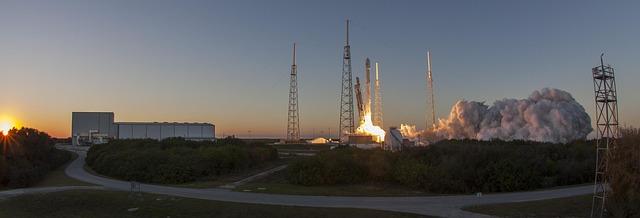
SpaceX’s stock experienced a sharp decline in the two weeks following its initial public offering, erasing the majority of the gains investors saw on debut. The sudden downturn has raised concerns among analysts and shareholders alike, as the aerospace company’s shares struggle to maintain the momentum from their early trading days. This rapid sell-off highlights the volatility facing investors in the highly anticipated but still-unproven public market of the private spaceflight giant.
SpaceX Stock Faces Sharp Decline After Initial Market Surge
After an initial surge following its highly anticipated IPO, SpaceX’s stock has encountered significant volatility, losing over 40% of its value within just two weeks. Investors have expressed growing concerns over the company’s lofty valuation amid ongoing delays in its Starship program and the unpredictable regulatory environment surrounding satellite deployments. Market analysts suggest that the rapid price correction reflects skepticism about SpaceX’s short-term profitability and the broader challenges facing the aerospace sector.
Several factors have contributed to the sharp pullback:
- Supply chain bottlenecks: Disruptions have delayed critical components needed for full-scale launches.
- Competition intensifies: Rival companies are gaining ground, impacting investor confidence.
- Market sentiment: Tech stocks in general have experienced heightened selling pressure.
| Market Data | Value | Change (2 weeks) |
|---|---|---|
| IPO Opening Price | $120 | – |
| Peak Price | $145 | +20.8% |
| Current Price | $85 | -41.4% |
Investor Concerns Mount Over Valuation and Future Growth Prospects
Recent market movements have intensified skepticism over SpaceX’s current valuation, with many investors questioning whether the lofty price accurately reflects the company’s future growth potential. Despite the initial enthusiasm surrounding the IPO, concerns about the sustainability of revenue streams and the ambitious expansion plans have prompted a wave of sell-offs. Market watchers point to several key issues:
- Uncertainty around global satellite internet adoption rates
- Rising costs associated with R&D and rocket production
- Competition from emerging aerospace ventures and incumbents
Analysts warn that while SpaceX continues to dominate in the private aerospace sector, its transition into a publicly traded company brings new pressures to meet quarterly expectations and investor demands for profitability. The disconnect between visionary goals and near-term financial performance has created a volatile trading environment, with many investors recalibrating their positions amid mixed signals from company forecasts and market conditions.
| Factor | Impact on Valuation |
|---|---|
| Satellite Internet Subscribers | Moderate |
| R&D Expenditure | High |
| Launch Frequency | Moderate |
| Market Competition | High |
Analysts Advise Cautious Approach Amid Volatile Trading Environment
Market experts are urging investors to exercise prudence as shares of SpaceX experience significant fluctuations amid broader market instability. The remarkable surge witnessed during the company’s IPO has largely been reversed in just two weeks, raising concerns about the sustainability of early gains. Analysts attribute this rollercoaster movement to a mix of profit-taking, evolving sector sentiment, and external economic pressures that continue to weigh on tech-driven stocks.
Key factors influencing the current trend include:
- Global economic uncertainties and inflationary pressures.
- Volatile investor appetite in the space technology sector.
- Mixed signals from government contracts and regulatory developments.
| Factor | Impact | Analyst Recommendation |
|---|---|---|
| Inflation & Interest Rates | Negative | Cautious Hold |
| Sector Volatility | High | Limit Exposure |
| Regulatory Environment | Uncertain | Monitor Closely |
In Summary
As SpaceX’s stock continues to retreat from its initial public offering heights, investors and market watchers are closely monitoring the company’s next moves amid growing concerns about valuation and broader market conditions. Whether this downturn signals a temporary pullback or a more sustained challenge for the aerospace giant remains to be seen, but the swift erosion of IPO gains underscores the volatility still inherent in the emerging space industry’s public markets.