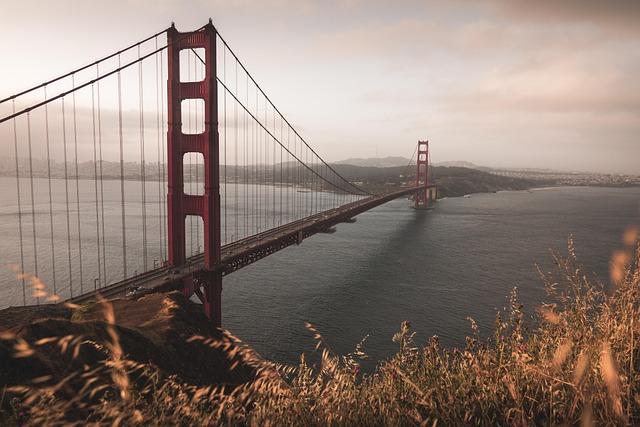
SAN FRANCISCO – Anticipation for a spectacular fireworks display over the Golden Gate Bridge was dampened Friday night as dense fog obscured the pyrotechnics, leaving thousands of spectators disappointed. Compounding the frustration, heavy traffic gridlock and transit delays snarled the city’s streets and public transportation systems, causing widespread disruptions across San Francisco. The much-anticipated event, intended to light up the iconic bridge and celebrate the holiday, instead highlighted challenges in managing large crowds amidst challenging weather conditions.
Golden Gate Bridge Fireworks Overshadowed by Dense Fog and Visibility Issues
San Francisco’s iconic celebration was met with unexpected challenges as thick fog enveloped the Golden Gate Bridge, drastically reducing visibility during the much-anticipated fireworks display. Spectators, both on foot and in vehicles, found their views obstructed, diminishing the spectacle’s usual vibrancy. The weather conditions led to widespread disappointment among locals and tourists alike, many of whom had gathered for a rare glimpse of the city’s signature event.
The fog not only dampened the visual experience but also contributed to significant disruptions across the city’s transportation network. Major arteries leading to the bridge became congested as drivers navigated cautiously through the haze, while transit authorities struggled to maintain schedules amid the chaos. Key impacts included:
- Extended traffic delays on highways and city streets
- Reduced frequency and rerouting of ferry and bus services
- Safety warnings issued to all bridge and waterfront visitors
| Aspect | Effect | Duration |
|---|---|---|
| Visibility | Dropped below 100 feet | 2 hours |
| Traffic Speeds | Slowed by 60% | 3 hours |
| Transit Delays | Up to 45 minutes | Evening peak |
Traffic and Transit Systems Struggle to Manage Surging Crowds and Commuter Delays
As thousands flocked to the Golden Gate Bridge area to catch the much-anticipated fireworks display, the city’s traffic infrastructure buckled under the immense pressure. Congestion extended for miles, with delays impacting not only private vehicles but also public transit systems grappling to maintain schedules. BART and Muni services reported significant overcrowding, forcing operators to implement crowd control measures and reroute some lines to alleviate pressure. Commuters faced wait times stretching over an hour, sparking widespread frustration across social media platforms.
Key factors contributing to the chaos included:
- Limited street access due to event-related road closures
- Reduced visibility caused by lingering fog, complicating traffic flow
- Insufficient transit capacity to handle peak demand spikes
- Delayed communication between traffic management centers and commuters
| Transit Service | Average Delay | Capacity Overload |
|---|---|---|
| BART | 45 minutes | 120% |
| Muni | 30 minutes | 110% |
| Golden Gate Ferry | 25 minutes | 95% |
Experts Urge Enhanced Coordination and Early Public Advisories to Mitigate Future Event Disruptions
In the wake of the unexpected fog that obscured San Francisco’s much-anticipated Golden Gate Bridge fireworks display, experts are calling for improved coordination among city agencies and early public advisories to avoid similar disruptions in the future. The unanticipated weather conditions exacerbated by poor communication led to widespread confusion, with thousands stuck in traffic and overburdened public transit systems. According to urban planners and event coordinators, implementing real-time meteorological monitoring combined with proactive public alerts could substantially reduce commuter frustration and enhance overall event experience.
Key recommendations from specialists include:
- Launching multi-channel early warning systems incorporating apps, social media, and local news outlets
- Establishing cross-agency task forces to streamline decision-making and response efforts
- Enhancing public transit capacity during major events with contingency routes prepared for weather-related disruptions
| Challenge | Proposed Solution | Expected Impact |
|---|---|---|
| Last-minute weather changes | Real-time alert systems | Improved public awareness |
| Traffic congestion | Dynamic traffic rerouting | Reduced delays |
| Transit overcrowding | Increased service frequency | Better crowd management |
The Conclusion
As San Francisco grapples with the fallout from the fog-obscured fireworks and ensuing traffic and transit disruptions, city officials face mounting pressure to improve coordination and contingency planning for future large-scale events. Residents and visitors alike are left hoping for clearer skies and smoother celebrations next time around.