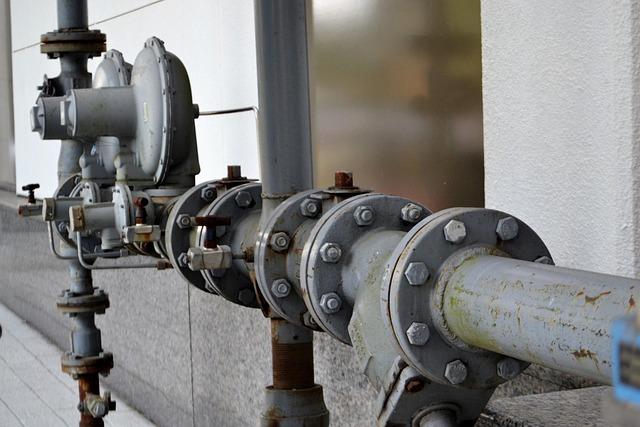
Regulatory authorities have identified elevated health risks in communities surrounding the Chevron Richmond Refinery, raising concerns about air quality and long-term public safety. Recent inspections and environmental assessments reveal heightened levels of pollutants linked to respiratory illnesses and other health issues among residents. This development has intensified calls for stricter oversight and remedial measures to address the refinery’s impact on local populations.
Regulators Identify Increased Airborne Toxins Impacting Nearby Communities
Recent assessments conducted by environmental regulators have revealed a concerning rise in airborne toxins in neighborhoods adjacent to the Chevron Richmond Refinery. Monitoring stations recorded elevated concentrations of hazardous substances such as benzene, toluene, and sulfur dioxide-compounds linked to respiratory and cardiovascular issues. Community members have reported increased instances of asthma attacks and other health complications, prompting regulatory bodies to intensify air quality surveillance efforts.
In response to these findings, officials have outlined several immediate actions:
- Enhanced emissions monitoring around the refinery perimeter
- Mandatory reporting of any abnormal releases from the facility
- Community health screenings focused on vulnerable groups including children and the elderly
| Pollutant | Observed Level (ppb) | Health Impact |
|---|---|---|
| Benzene | 9.5 | Carcinogenic risk, respiratory irritation |
| Toluene | 15.2 | Neurological effects, dizziness |
| Sulfur Dioxide | 25.1 | Asthma exacerbation, lung inflammation |
Health Experts Cite Elevated Risks of Respiratory and Cardiovascular Conditions
Recent evaluations by health professionals have highlighted a troubling correlation between exposure to pollutants near the Chevron Richmond Refinery and an increase in respiratory and cardiovascular ailments within the surrounding communities. Emissions consisting of volatile organic compounds (VOCs) and particulate matter have been identified as primary contributors to elevated incidences of asthma, chronic bronchitis, and other lung-related diseases. Moreover, long-term exposure appears to exacerbate cardiovascular strain, leading to heightened risks of hypertension, arrhythmias, and even heart attacks among vulnerable populations.
Key concerns raised by experts include:
- Persistent air quality degradation despite regulatory limits
- Increased hospital admissions for respiratory distress in nearby neighborhoods
- Disproportionate impact on children, elderly, and individuals with pre-existing conditions
| Health Condition | Estimated Increase | Population Affected |
|---|---|---|
| Asthma Attacks | 25% | Residents within 3 miles |
| Cardiovascular Events | 15% | Adults over 50 |
| Chronic Bronchitis | 20% | Long-term residents |
Calls for Stricter Emission Controls and Enhanced Monitoring Near Chevron Refinery
Local health regulators have raised urgent alarms after detecting significantly elevated concentrations of hazardous pollutants in the air surrounding the Chevron Richmond Refinery. These findings have sparked widespread concern among residents, environmental advocates, and public health officials alike. Experts emphasize the need for stricter emission limits and continuous, transparent monitoring to mitigate long-term health risks such as respiratory illnesses, cardiovascular problems, and increased cancer rates.
Community leaders and environmental organizations are pushing for concrete actions, including:
- Implementation of real-time air quality sensors around key refinery hotspots
- Mandatory quarterly emissions reporting made publicly accessible
- Enhanced penalties for non-compliance to incentivize pollution reduction
- Expanded health impact assessments to study vulnerable populations
| Pollutant | Measurement (ppm) | Safe Limit (ppm) |
|---|---|---|
| Benzene | 5.4 | 1.0 |
| Toluene | 12.7 | 8.0 |
| Hydrogen Sulfide | 3.2 | 1.5 |
The Way Forward
As investigations continue, regulators emphasize the need for ongoing monitoring and stricter enforcement to protect nearby communities from potential health hazards linked to the Chevron Richmond Refinery. Residents and advocacy groups are calling for increased transparency and action to address the elevated risks identified. The situation remains under close scrutiny as officials work to balance industrial activity with public health concerns.