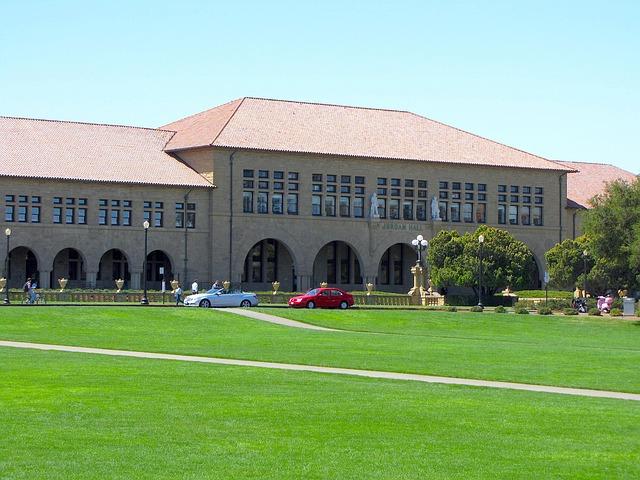
California’s community colleges, once strong advocates for expanding bachelor’s degree programs, have recently taken a surprising turn against further expansion. Initially championing the push to offer four-year degrees as a way to increase access and affordability, many of these institutions are now raising concerns about the potential drawbacks, including questions about resource allocation and their traditional mission. This shift highlights the complex challenges faced by community colleges as they navigate evolving educational priorities in the state.
California Community Colleges Shift Stance on Expanding Bachelor’s Degree Programs
Once champions for expanding bachelor’s degree offerings, California community colleges have recently pivoted, expressing hesitation and opposition to further increasing these programs. Initially viewed as a strategy to democratize higher education and meet local workforce demands, doubts now revolve around concerns about resource allocation, potential mission drift, and the impact on existing four-year universities. Faculty unions and administrators alike voice worries that a swift expansion might compromise educational quality and strain already limited budgets.
Key factors influencing the shift include:
- Rising operational costs for bachelor’s degree programs
- Challenges in maintaining transfer pathways and articulation agreements
- Community pushback emphasizing the primary role of two-year degrees and vocational training
- Statewide concerns about duplication of offerings and market saturation
| Year | Bachelor’s Programs Approved | Community College Support Level |
|---|---|---|
| 2018 | 15 | High |
| 2020 | 27 | Moderate |
| 2023 | 34 | Low |
Concerns Over Quality and Resource Strain Drive Opposition Among Educators
Educators across California’s community college system are increasingly voicing skepticism about the rapid expansion of bachelor’s degree programs. Many argue that this shift could dilute academic standards and compromise the rigorous hands-on training traditionally offered. Faculty members worry that the pursuit of four-year degrees may redirect focus from quality associate degree programs, which serve the majority of community college students today. The concern lies in balancing quality with quantity, especially as institutions are still grappling with limited funding and infrastructural challenges.
Resource allocation remains a top point of contention. Staff shortages and aging facilities are already creating hurdles in delivering effective education. Critics highlight that diverting resources toward bachelor’s degrees could overburden an already strained system, potentially leading to:
- Increased class sizes with fewer faculty members
- Lack of updated technology and laboratory equipment
- Reduced student support services such as tutoring and counseling
| Concern | Impact on Students |
|---|---|
| Funding Diversion | Limited financial support for two-year degree programs |
| Faculty Overextension | Reduced individualized instruction and mentorship |
| Facility Constraints | Inadequate learning environment and outdated labs |
Recommendations for Balancing Degree Expansion with Maintaining Academic Standards
To ensure a sustainable approach, it is crucial that community colleges adopt a strategic framework that balances growth with quality assurance. This includes implementing rigorous accreditation standards and fostering partnerships with local industries to align degree offerings with workforce demands. Colleges should also prioritize ongoing faculty development to maintain instructional excellence while scaling programs. Equally important is the establishment of transparent assessment metrics that monitor student outcomes, ensuring that expansion does not come at the expense of academic rigor.
Budget allocation must be carefully calibrated to support both infrastructure expansion and pedagogical resources. Below is a simple guideline reflecting priority areas that community colleges can consider when navigating degree expansion:
| Priority Area | Focus | Recommended Actions |
|---|---|---|
| Curriculum Development | Maintain Relevance | Regular industry reviews, update syllabi |
| Faculty | Quality Instruction | Professional training, competitive hiring |
| Facilities | Support Growth | Modern labs, sufficient classroom space |
| Assessment | Outcome Tracking | Data-driven performance reviews |
- Engage community stakeholders early to align programs with actual needs.
- Limit degree proliferation to fields where clear advantages and labor market demand exist.
- Invest in student support services to maintain retention and graduation standards amid expansion.
In Conclusion
The shift in stance among California community colleges-from initially advocating for expanded bachelor’s degree programs to expressing opposition-highlights the complex challenges facing higher education policymakers. As these institutions reassess their roles amid budget constraints, workforce needs, and concerns over mission dilution, the debate over the best pathways to accessible and affordable bachelor’s degrees is far from settled. Stakeholders will continue to navigate competing priorities as California seeks to balance educational opportunity with the practical realities confronting its community college system.