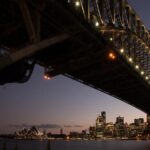
California Governor Gavin Newsom has taken decisive action to fast-track the development of a new zero-emissions ferry project aimed at transforming transit across San Francisco Bay. By cutting bureaucratic red tape, the administration seeks to accelerate the deployment of cleaner, more sustainable transportation options that align with the state’s aggressive climate goals. This initiative not only promises to reduce harmful emissions but also to enhance regional connectivity, marking a significant step forward in California’s transition to a greener future.
Governor Newsom Streamlines Regulations to Boost Zero-Emissions Ferry Development in San Francisco Bay
Governor Gavin Newsom has announced a series of regulatory reforms aimed at accelerating the deployment of cutting-edge zero-emissions ferries within the San Francisco Bay Area. These reforms focus on expediting the permitting process, simplifying environmental reviews, and fostering public-private partnerships to ensure swift innovation in sustainable maritime transportation. Stakeholders emphasize that reducing bureaucratic hurdles will play a crucial role in meeting California’s ambitious climate goals while enhancing commuter options in the bustling bay region.
Key elements of the streamlined approach include:
- Fast-tracked permit approvals for ferry construction and operation
- Consolidated environmental impact assessments with clear timelines
- Financial incentives encouraging investments in zero-emissions vessel technology
- Collaboration frameworks for local governments, transit agencies, and private developers
This reform package is expected to reduce project lead times by up to 40%, facilitating the introduction of zero-emissions ferries that can serve thousands of daily passengers aboard efficient and eco-friendly routes across the bay.
| Reform Initiative | Expected Impact | Timeline |
|---|---|---|
| Permit Process Simplification | Accelerate approvals by 30% | Within 6 months |
| Environmental Review Consolidation | Reduce delays and redundancies | Ongoing |
| Investment Incentives | Attract private funding | Immediate effect |
Innovative Technologies and Environmental Benefits Driving the New Ferry Initiative
The zero-emissions ferry project leverages cutting-edge propulsion technologies that significantly reduce the environmental footprint of maritime travel in the San Francisco Bay. These vessels utilize advanced electric drivetrains paired with high-capacity battery storage systems, enabling extended journeys without reliance on fossil fuels. The initiative also integrates smart energy management systems, optimizing power use and enabling seamless recharging at dockside stations powered by renewable energy sources. This combination of technological innovations sets a new standard for sustainable water transit in California.
Beyond emissions reductions, the project is designed to enhance local ecosystems and improve water quality. Key environmental benefits include:
- Zero air pollutants: Eliminating diesel engines cuts nitrogen oxide and particulate matter emissions.
- Noise reduction: Electric motors operate quietly, lessening disturbances to marine life.
- Reduced water contamination: Advanced hull materials minimize biofouling, reducing the need for toxic antifouling paints.
| Feature | Environmental Impact | Tech Advantage |
|---|---|---|
| Electric Propulsion | 0 Tailpipe Emissions | Instant Torque, Quiet Operation |
| Renewable Energy Charging | Carbon-Neutral Energy Sourcing | Green Grid Integration |
| Eco-Friendly Hull Design | Reduced Toxic Runoff | Lower Maintenance Costs |
Policy Recommendations to Ensure Timely Implementation and Community Engagement
To ensure the zero-emissions ferry project advances on schedule, policymakers must prioritize streamlined permitting processes without compromising environmental oversight. Establishing a centralized project management office can reduce bureaucratic delays by coordinating across multiple agencies and stakeholders. Additionally, implementing clear deadlines for review phases and decision-making will maintain momentum, preventing costly hold-ups that have historically plagued large-scale transportation initiatives in the Bay Area.
Engaging local communities throughout the development lifecycle is equally critical for the project’s success. Authorities should employ transparent communication strategies and foster collaborative forums to address residents’ concerns early on. Investing in educational outreach programs will also build public support by highlighting the environmental and economic benefits of the ferry system. Below is a framework summarizing key policy actions to facilitate timely implementation and meaningful community engagement:
| Policy Area | Recommended Action | Expected Outcome |
|---|---|---|
| Regulatory Streamlining | Single-point agency coordination | Faster permit approvals |
| Project Oversight | Set fixed milestones and deadlines | Maintained project momentum |
| Community Outreach | Regular public forums and updates | Increased public trust & support |
| Educational Initiatives | Informational campaigns on benefits | Stronger local buy-in |
In Retrospect
As Governor Newsom removes regulatory hurdles to fast-track the zero-emissions ferry project, California takes a significant step toward reducing greenhouse gas emissions and modernizing public transit in the San Francisco Bay Area. This initiative not only underscores the state’s commitment to sustainable transportation but also sets a precedent for future infrastructure projects aimed at combating climate change. Stakeholders and residents alike will be watching closely as the project moves forward, signaling a new era of cleaner, more efficient ferry service on the Bay.