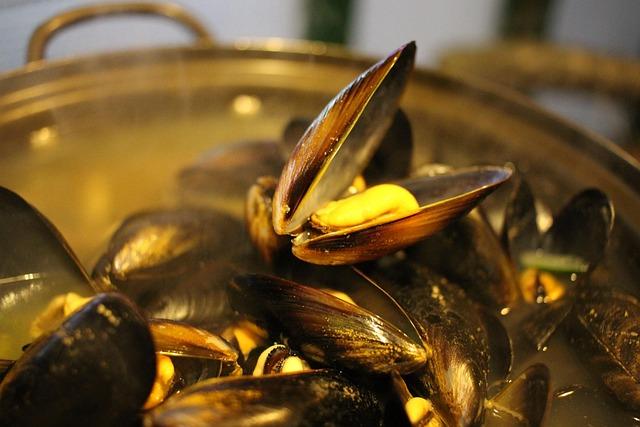
Authorities have confirmed the presence of invasive golden mussels in Lake Del Valle, triggering immediate boat quarantine measures to prevent their further spread. The discovery has raised alarm among environmental officials and local communities due to the potential ecological and economic impacts posed by this rapidly proliferating species. Efforts are now underway to contain the mussels and protect the lake’s delicate ecosystem.
Golden Mussel Infestation Raises Alarms at Lake Del Valle
The recent discovery of invasive golden mussels in Lake Del Valle has prompted swift action from local authorities concerned about ecological balance and water quality. These small, aggressive bivalves are notorious for clogging water systems, outcompeting native species, and disrupting aquatic habitats. Officials have immediately instituted a boat quarantine to prevent the mussels from spreading to other lakes and waterways in the region. All watercraft entering or leaving the lake will undergo thorough inspections, with mandatory cleaning protocols enforced.
Environmental experts warn that without quick containment, golden mussels could cause long-term damage to Lake Del Valle’s biodiversity and recreational value. The lake is home to several native fish species and supports a thriving ecosystem important to both wildlife and human activities. To better inform the community, authorities have outlined precautionary measures:
- Inspect and clean boats and trailers before and after entering the lake
- Drain all water from boats, live wells, and equipment
- Avoid transferring bait, plants, or animals between water bodies
- Report sightings of golden mussels to conservation officials immediately
| Action | Responsibility | Impact |
|---|---|---|
| Boat Inspections | Park Rangers | Prevent spreading |
| Water Drainage Enforcement | Boat Operators | Reduce contamination |
| Public Awareness Campaigns | Local Authorities | Community engagement |
| Rapid Response Teams | Environmental Agencies | Containment & Removal |
Ecological Risks and Impact on Local Wildlife Explored
The sudden appearance of golden mussels in Lake Del Valle poses a significant threat to the local ecosystem. These invasive bivalves are known for their rapid reproduction and ability to outcompete native species for resources. Their presence can lead to the disruption of aquatic food chains and decline in biodiversity, as indigenous fish and invertebrates struggle to survive amid increased competition and habitat changes. Of particular concern is the mussels’ capacity to clog water intake pipes, which can impair water management systems essential for both human consumption and wildlife sustenance.
Experts warn that without urgent containment efforts, the ecological balance of the region might be irreversibly altered. To understand the scope of the threat, consider the key impacts outlined below:
- Habitat displacement: Native mussels and other benthic organisms lose space and resources.
- Water quality degradation: Filter-feeding by golden mussels can change nutrient cycles, increasing algal blooms.
- Food web disruption: Predators adapted to local prey may find fewer suitable food sources.
- Infrastructure damage: Dense colonies can block pipes, docks, and boat motors, elevating maintenance costs.
| Impact | Potential Consequences | Mitigation Effort |
|---|---|---|
| Competition | Native species decline | Boat quarantine and inspections |
| Water system clogging | Infrastructure failures | Regular maintenance and cleaning |
| Altered food chains | Decline in fish populations | Biological monitoring and research |
Authorities Implement Strict Boat Quarantine to Curb Spread
In response to the recent discovery of invasive golden mussels in Lake Del Valle, local authorities have instituted a comprehensive quarantine targeting all recreational and commercial boats entering or leaving the lake. This proactive measure aims to prevent the spread of these mussels to neighboring water bodies, which could have devastating ecological and economic consequences. Enforcement teams are conducting thorough inspections and decontamination procedures at key boat ramps, emphasizing the importance of public cooperation. Failure to comply may result in fines or restricted access to the lake.
Key protocols introduced under the new quarantine include:
- Mandatory cleaning and drying: All vessels must be completely cleaned, drained, and dried before entering or exiting the lake.
- Inspection checkpoints: Designated stations staffed by trained personnel to verify boat compliance.
- Educational outreach: Distribution of informational materials to boaters on invasive species impacts and prevention techniques.
- Equipment restrictions: Temporary bans on specific gear that may harbor mussels, such as nets and anchors.
| Boater Responsibility | Quarantine Requirement | Enforcement Level |
|---|---|---|
| Clean Equipment | Mandatory before lake entry and exit | High |
| Boat Drying Time | Minimum 5 days when possible | Medium |
| Inspection Compliance | Required at all checkpoints | High |
Concluding Remarks
The discovery of invasive golden mussels in Lake Del Valle has prompted immediate action from authorities, including the implementation of a boat quarantine to prevent further spread. Officials continue to monitor the situation closely, urging boaters and visitors to comply with inspection protocols and cleaning measures. As efforts intensify to contain the species, the incident serves as a stark reminder of the ongoing challenges invasive species pose to local ecosystems and recreational waters. Updates will be provided as the situation develops.