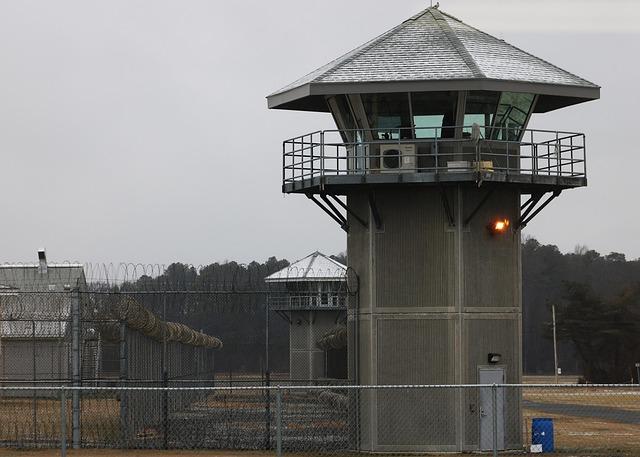
California Governor Gavin Newsom has signed into law a series of measures aimed at increasing accountability and oversight of immigration enforcement within the state. The new legislation imposes taxes on private detention centers and lowers the barriers for individuals to file lawsuits against Immigration and Customs Enforcement (ICE) agents. Advocates argue these laws represent a significant step toward addressing concerns about the treatment of immigrants and the operations of detention facilities, while critics warn of potential legal and economic consequences. This move underscores California’s continuing pushback against federal immigration policies under the Biden administration.
California Implements Tax on Detention Facilities to Fund Oversight and Accountability
Governor Newsom has signed groundbreaking legislation that introduces a new tax on private detention centers operating within California. The revenue generated from this tax will be dedicated to the establishment and maintenance of independent oversight bodies designed to monitor conditions within these facilities. Supporters argue that this move ensures greater transparency, accountability, and humane treatment of detainees, aligning with the state’s broader commitment to civil rights and social justice.
The legislation also strengthens legal avenues for individuals seeking redress against Immigration and Customs Enforcement (ICE) agents accused of misconduct. Key provisions include:
- Lowered barriers for filing civil lawsuits against ICE personnel
- Expanded definitions of actionable abuses and rights violations
- Increased funding for legal support services aiding detainees
| Facility Type | Tax Rate | Annual Revenue Estimate |
|---|---|---|
| Private Detention Centers | 5% | $25M+ |
| Contracted ICE Facilities | 3% | $12M+ |
| State-Run Centers | N/A | N/A |
New Legal Pathways Established for Suing ICE Agents Amid Rising Concerns Over Detention Practices
Governor Newsom has recently enacted groundbreaking legislation aimed at increasing accountability within immigration detention facilities. These new laws impose a significant tax on private detention centers operating in California, a move designed to generate additional oversight funding while discouraging reliance on private contractors for immigrant detention. Additionally, the legislation lowers the legal barriers for individuals seeking to hold Immigration and Customs Enforcement (ICE) agents personally responsible for misconduct, a step advocates say will promote justice for those affected by alleged abuses within detention settings.
The impact of these measures extends beyond taxation and litigation reforms. Below is a summary of the key provisions included in the new laws:
- Detention Center Tax: Imposes a $100 daily fee per detainee on privately-run ICE facilities
- Expanded Legal Recourse: Enables easier civil lawsuits against ICE agents for civil rights violations
- Transparency Requirements: Mandates regular public reporting on detention conditions and abuses
| Provision | Effect | Timeline |
|---|---|---|
| Detention Center Tax | Annual revenue increase for oversight | Effective January 2025 |
| Legal Framework Adjustment | Facilitates civil lawsuits against ICE agents | Effective immediately |
| Transparency Mandates | Quarterly public disclosure requirements | Starting Q2 2024 |
Advocates Urge Continued Legislative Action to Protect Immigrant Rights and Enhance Legal Recourse
Community leaders and immigrant rights organizations have praised the recent legislative measures as crucial steps toward holding immigration enforcement accountable. By imposing taxes on detention facilities, the new laws aim to curtail the expansion of private detention centers, which critics argue often operate with minimal oversight. Advocates assert that these financial disincentives could pressure operators to improve conditions or reconsider their reliance on immigrant detention.
Equally significant is the enhanced legal pathway for individuals to pursue claims against ICE agents, a move hailed as a breakthrough in immigrant justice. This provision lowers the barriers for victims of potential abuse or misconduct to seek redress, emphasizing transparency and responsibility within immigration enforcement. Stakeholders highlight the importance of continued vigilance and legislative efforts to strengthen these protections, ensuring that immigrant communities can access fair treatment and legal remedies.
- New Taxation on Detention Centers: Aimed at reducing reliance on private contractors.
- Streamlined Legal Processes: Easier lawsuits against ICE personnel for civil rights violations.
- Community Impact: Enhanced protections for vulnerable immigrant populations.
| Provision | Impact | Stakeholders |
|---|---|---|
| Detention Center Tax | Raises operating costs, discourages expansion | Private contractors, detainees |
| Legal Recourse Enhancement | Facilitates civil claims against ICE agents | Immigrant communities, advocacy groups |
| Accountability Measures | Promotes transparency and oversight | Government, public interest groups |
In Summary
As these new laws take effect, California positions itself at the forefront of efforts to increase accountability for immigration enforcement agencies and address the fiscal impact of detention centers. Supporters argue the measures will provide necessary oversight and resources to affected communities, while critics warn of potential legal and operational challenges ahead. The coming months will reveal how these legislative changes reshape the landscape of immigration policy and enforcement within the state.