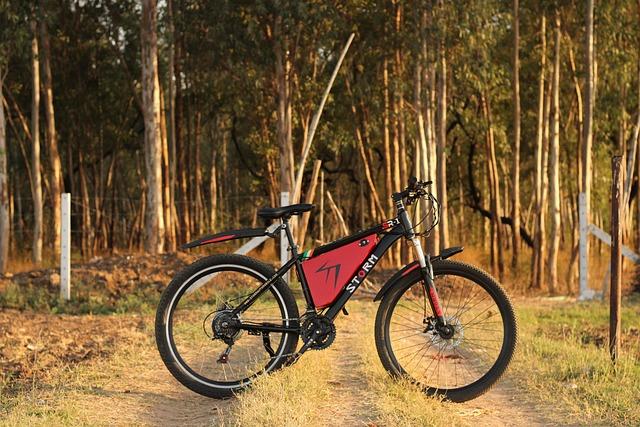
A prominent Bay Area hospital is reporting a sharp surge in injuries linked to electric bikes and scooters, with the number of cases doubling over the past year. Medical officials are raising concerns about the growing risks associated with these popular modes of transportation, which have become increasingly common on city streets. As e-bikes and e-scooters gain traction as convenient alternatives for commuters and recreational riders alike, hospitals are grappling with a corresponding rise in accidents that range from minor abrasions to serious trauma. This alarming trend highlights the need for increased safety measures and public awareness to address the hazards posed by these fast-moving devices.
Bay Area Hospital Reports Sharp Rise in E-Bike and E-Scooter Injuries
The surge in popularity of electric bikes and scooters has coincided with a notable uptick in related injuries at one of the Bay Area’s leading medical centers. Over the past year, emergency room visits linked to these electric mobility devices have doubled, prompting concerns among healthcare professionals about rider safety and infrastructure readiness. Hospital officials attribute this sharp rise to a combination of factors including increased ridership, inexperienced users, and the absence of comprehensive helmet use.
Data collected from the hospital’s trauma unit highlights key injury patterns:
- Head injuries: Over 60% of cases involved concussions or fractures due to falls or collisions.
- Upper limb fractures: Common among riders attempting to break falls.
- Road rash and bruises: Frequent but less severe injuries related to skidding accidents.
| Injury Type | Percentage of Cases | Average Hospital Stay |
|---|---|---|
| Head Injuries | 62% | 3 days |
| Fractures (Arms & Wrists) | 25% | 2 days |
| Road Rash/Bruising | 13% | 1 day |
Common Causes Behind the Surge in Electric Mobility Accidents
Several factors are contributing to the rapid increase in electric mobility-related injuries seen at Bay Area hospitals. The surge in e-bike and e-scooter usage, driven by their convenience and affordability, means more inexperienced riders are navigating busy urban streets without adequate preparation. Many riders lack formal training or understanding of local traffic laws, leading to dangerous interactions with vehicles and pedestrians. Additionally, the growing popularity of these devices has outpaced the development of dedicated infrastructure, such as protected bike lanes and clear signage, resulting in hazardous conditions.
Technical and behavioral elements also play a significant role. Common contributing issues include:
- Speeding and reckless maneuvers, especially on crowded sidewalks and roads.
- Poor helmet usage, increasing the severity of head injuries.
- Malfunctioning or poorly maintained equipment, leading to sudden stops or loss of control.
- Distracted riding, often due to mobile device use or unfamiliarity with controls.
| Cause | Impact on Accidents |
|---|---|
| Inexperience | High rate of collisions with pedestrians and vehicles |
| Infrastructure Gaps | Increased risk of falls and road sharing conflicts |
| Speeding | More severe injury outcomes |
| Poor Helmet Use | Elevated head trauma cases |
Experts Urge Enhanced Safety Measures and Public Awareness Campaigns
Medical professionals and urban planners are calling for urgent improvements in safety protocols as e-bike and e-scooter injuries continue to rise sharply. Experts emphasize the need for comprehensive public education campaigns that highlight the importance of helmet use, adherence to traffic laws, and responsible riding behavior. According to Dr. Emily Jordan, Chief of Emergency Medicine at the Bay Area hospital, “Preventive measures and public awareness can significantly reduce the severity and frequency of these accidents.” Local authorities are also urged to consider infrastructure adjustments, such as dedicated lanes and improved lighting, to create safer environments for micromobility users.
Community outreach initiatives are being suggested to engage riders of all ages with targeted messaging and interactive safety workshops. The consensus among safety advocates is clear: the growing popularity of these devices demands a proactive response. Key recommendations include:
- Mandatory helmet laws and enforcement
- Clear signage and road markings for e-bike and e-scooter paths
- Collaboration between hospitals, city planners, and transit agencies
- Educational campaigns using social media and local events
| Measure | Expected Impact | Timeframe |
|---|---|---|
| Enforcement of helmet laws | Reduction in head injuries by 40% | 6 months |
| Dedicated lanes and improved lighting | Decrease in collisions by 25% | 1 year |
| Public workshops & campaigns | Increased rider awareness and safety practices | Ongoing |
Insights and Conclusions
As e-bikes and e-scooters continue to gain popularity as alternative modes of transportation across the Bay Area, hospital officials urge riders to exercise greater caution. The doubling of injury cases underscores a growing public safety concern that calls for enhanced awareness, better infrastructure, and potentially updated regulations to prevent further harm. Community members and policymakers alike face the challenge of balancing the convenience and environmental benefits of these devices with the need to protect riders and pedestrians on increasingly crowded streets.