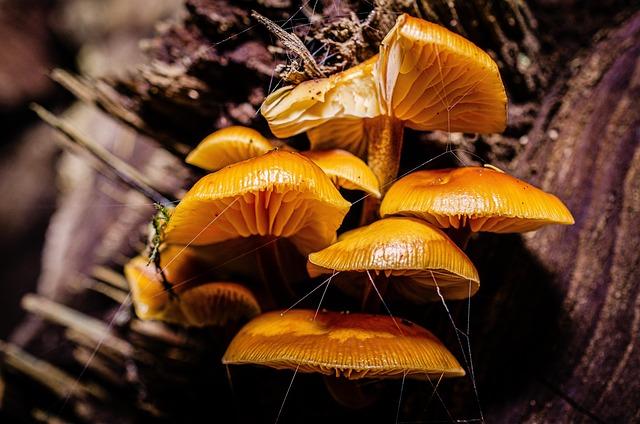
After weeks of heavy rains soaked Contra Costa County, nature’s unexpected response has emerged in the form of a dramatic ‘super bloom’-not of flowers, but of toxic wild mushrooms. Local health officials are issuing warnings as an unusually large and diverse array of poisonous fungi has sprouted across parks, trails, and residential areas, raising concerns about accidental poisonings among residents and pets. This sudden proliferation highlights the complex relationship between weather patterns and local ecosystems, underscoring the need for heightened public awareness during this season.
Shrooms of Doom Impact Contra Costa Residents and Local Ecosystems
Recent heavy rains have triggered an unprecedented proliferation of toxic wild mushrooms across Contra Costa, alarming both residents and environmental experts. The sudden abundance of these so-called “shrooms of doom” poses serious health risks, especially to unsuspecting hikers, children, and pets who might mistake them for harmless fungi. Local emergency rooms have already reported a noticeable uptick in mushroom poisoning cases, highlighting the urgency for increased public awareness and caution in affected areas.
Beyond human safety, the ecological balance in Contra Costa is feeling the strain as these fungi outcompete native species, threatening biodiversity and disrupting soil nutrient cycles. Environmentalists warn that the rapid spread is fueled by climate patterns creating ideal conditions, making it difficult to predict when the bloom will subside. Below is a summary table illustrating key impacts and affected zones across the region:
| Impact Area | Severity | Notes |
|---|---|---|
| Public Health | High | Increase in poisoning incidents |
| Local Ecosystems | Moderate to High | Displacement of native fungi |
| Recreational Areas | High | Many trails temporarily closed |
| Pets & Wildlife | Moderate | Noted cases of ingestion |
- Do not consume wild mushrooms without expert identification.
- Keep pets leashed and away from mushrooms.
- Report sightings of large mushroom clusters to local authorities.
- Practice caution when hiking, especially in damp forested areas.
Identifying Toxic Wild Mushrooms Amid the Super Bloom Surge
Amid the recent surge triggered by abundant rainfall, Contra Costa has witnessed an unprecedented explosion of wild mushrooms – but not all are a treat for the local ecosystem or foragers. Experts warn that many of these fungi bear a striking resemblance to edible varieties yet harbor deadly toxins. To avoid dangerous encounters, residents are urged to familiarize themselves with key identification features:
- Cap color and texture: Toxic mushrooms often showcase dull, warty, or slimy caps, unlike the smooth or vibrant caps of edible types.
- Gills and spore print: Check if the gills are free or attached; a pale green spore print commonly signals poisonous species.
- Odor: Some toxic mushrooms emit an unpleasant, chemical-like smell, distinct from the earthy fragrance of safe varieties.
- Location and timing: Toxic specimens often thrive in dense clusters near rotting wood or in shaded, damp areas during the early bloom phase.
To assist foragers, here’s a quick reference table comparing some of the most commonly confused species found during this surge:
| Mushroom | Edible Lookalike | Telltale Toxic Signs | ||||||||||
|---|---|---|---|---|---|---|---|---|---|---|---|---|
| Amanita phalloides (Death Cap) |
Paddy Straw Mushroom | Greenish cap, white gills, foul odor | ||||||||||
| Health Officials Advise Caution and Offer Guidelines for Safe Foraging
Health experts urge residents and outdoor enthusiasts to exercise heightened vigilance amid the unprecedented surge of wild mushroom growth triggered by recent heavy rains. While the vibrant fungi may appear enticing, many species found in Contra Costa this season are highly toxic and pose severe health risks if ingested. Officials emphasize that even slight misidentification can lead to poisoning, which in some cases requires emergency medical treatment. To promote safe foraging, authorities recommend adhering strictly to the following guidelines:
Future OutlookAs Contra Costa County continues to experience wetter-than-average conditions, residents are urged to exercise caution when encountering wild mushrooms. While the vibrant “super bloom” of fungi may be a striking reminder of nature’s resilience, many species thriving this season carry serious health risks. Authorities recommend avoiding foraging or handling unknown mushrooms and seeking immediate medical attention if ingestion is suspected. Ongoing monitoring and public awareness efforts remain crucial to ensuring community safety amid this unusual ecological phenomenon. |