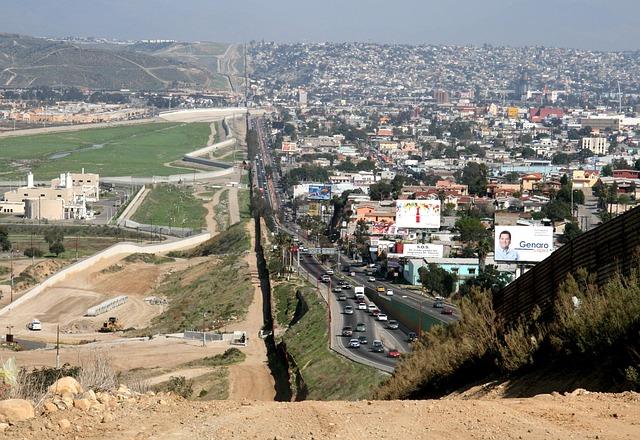
As debates over immigration policy continue to dominate headlines, a growing body of research is shedding light on a less visible yet deeply troubling consequence: the impact of immigration-related trauma on children’s developing brains. Neuroscientists and psychologists are now uncovering how prolonged exposure to fear, uncertainty, and instability can fundamentally alter brain architecture, influencing emotional regulation, cognitive function, and long-term mental health. This article explores the latest findings from experts studying these effects, offering a window into the lived realities of immigrant children whose early experiences of trauma may cast long shadows over their futures.
The Lasting Impact of Immigration Trauma on Childhood Brain Development
Research has increasingly shown that the stress of forced migration and the constant feeling of uncertainty can have profound effects on neurological development during childhood. Exposure to chronic stress hormones, such as cortisol, during critical periods disrupts the architecture of the brain, often leading to diminished capacity in areas responsible for memory, emotional regulation, and executive function. Children growing up under these conditions often exhibit symptoms similar to those seen in post-traumatic stress disorder, anxiety, and depression, which ripple into their learning abilities and social interactions. The impact is not merely psychological but deeply biological, shaping the very wiring of their brains in ways that can last a lifetime.
Understanding the neurodevelopmental consequences of immigration trauma requires acknowledging several key factors:
- Timing of stress: Early childhood is particularly sensitive to toxic stress, with effects potentially more severe the younger the child is at the time of trauma.
- Duration and intensity: Prolonged exposure to fear and instability amplifies negative outcomes.
- Support systems: Protective relationships and community resources can help buffer some of the neurological damage.
| Brain Region | Impact of Trauma | Potential Outcome |
|---|---|---|
| Hippocampus | Reduced volume | Memory impairments |
| Amygdala | Hyperactivity | Heightened fear response |
| Prefrontal Cortex | Delayed maturation | Impaired decision-making |
Unseen Wounds Exploring Emotional and Cognitive Challenges in Young Immigrants
Children who migrate face more than the obvious disruptions of relocation; they carry with them hidden scars that profoundly affect their development. Researchers have found that prolonged exposure to fear and uncertainty during critical years can alter neural pathways, impacting memory, decision-making, and emotional regulation. These young minds often exhibit symptoms akin to post-traumatic stress, including heightened vigilance and difficulty concentrating in academic settings. Such cognitive challenges are compounded by emotional isolation, as many feel caught between two worlds-disconnected from their roots yet struggling to assimilate into new environments.
Addressing these challenges requires a nuanced understanding of both brain science and social context. Schools, healthcare providers, and communities play pivotal roles in recognizing and supporting affected children. Some interventions that have shown promise include:
- Trauma-informed counseling: Tailoring therapy methods to acknowledge unique immigration experiences.
- Safe, inclusive environments: Creating spaces where children feel secure and understood.
- Language and cultural support: Bridging the gap that often isolates young immigrants from peers and educators.
| Emotional Symptom | Brain Impact | Common Outcome |
|---|---|---|
| Chronic Anxiety | Overactive amygdala | Heightened stress response |
| Memory Disruptions | Hippocampal impairment | Difficulty learning new information |
| Emotional Numbing | Reduced prefrontal cortex activity | Social withdrawal |
Strategies for Healing Advocating Trauma-Informed Care and Supportive Policies
Addressing the deep-rooted impact of immigration trauma on children requires a multifaceted approach centered on trauma-informed care. Healthcare professionals, educators, and policymakers must prioritize creating safe environments that acknowledge the unique stressors these children face. This involves training staff to recognize trauma responses, implementing consistent emotional support, and fostering trust through culturally sensitive communication. Essential strategies emphasize empowerment over control, allowing children to regain a sense of agency critical to healthy brain development and emotional regulation.
Supportive policies also play a vital role in promoting healing and resilience. Advocates call for reforms that include:
- Access to comprehensive mental health services tailored for immigrant children
- School programs integrating social-emotional learning with trauma awareness
- Legal protections that reduce uncertainty and the threat of separation
- Community-based efforts to connect families with culturally competent resources
| Policy Focus | Impact on Healing |
|---|---|
| Trauma-Informed Training | Increases early detection and empathetic response |
| Integrated School Programs | Builds safe spaces and peer support networks |
| Mental Health Access | Provides personalized therapy and crisis intervention |
| Legal Safety Nets | Reduces anxiety related to immigration status |
To Wrap It Up
As the research continues to unveil the profound impact of immigration trauma on children’s developing brains, it becomes increasingly clear that these young individuals carry invisible wounds that affect their futures. Understanding the neurological effects of fear and instability is not just a scientific endeavor-it is a call to action for policymakers, educators, and communities alike. Addressing these challenges with compassion and informed intervention could pave the way for healing and resilience, offering immigrant children a chance to thrive beyond their pasts. The journey from fear to hope is complex, but acknowledging the science behind their experiences is a crucial first step.