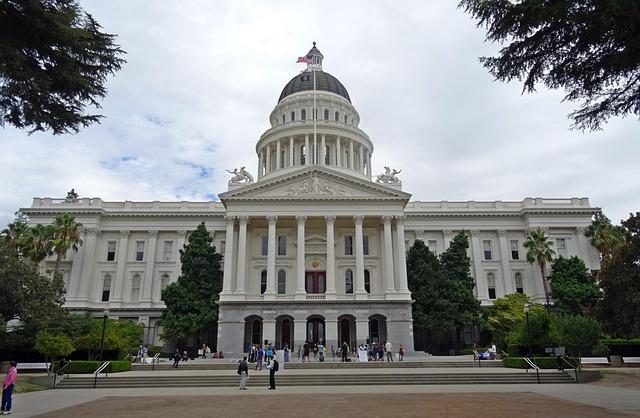
As California prepares to welcome its next governor, a series of critical decisions loom on the horizon, particularly in the realm of education. With the state’s budget outlook growing increasingly uncertain, the incoming administration will face mounting pressure to balance fiscal constraints with the demands of a sprawling and diverse public school system. Amid rising costs and shifting policy priorities, the next governor must navigate complex challenges to secure the future of California’s students while managing limited resources.
California’s Incoming Governor Confronts Shrinking Education Budget Amid Rising Costs
As the new administration prepares to take the helm, fiscal pressures within California’s education system have reached a critical juncture. Key programs face potential cuts as the projected budget shrinks in the face of escalating expenses, including rising teacher salaries, infrastructure maintenance, and technological upgrades. The incoming governor must navigate these financial challenges while addressing demands for improved educational outcomes from an increasingly diverse student population.
Key financial pressures include:
- Inflation-driven cost increases in classroom supplies and services
- Growing demand for mental health and special education resources
- Maintenance backlog in aging school facilities
- Expansion of digital learning tools amid hybrid education models
| Budget Category | Projected 2024 Spend | Change from 2023 |
|---|---|---|
| Teacher Salaries | $35.2 billion | +4.7% |
| Facilities & Maintenance | $9.8 billion | -1.3% |
| Special Education | $7.1 billion | +2.2% |
| Technology & Equipment | $3.4 billion | +6.8% |
Balancing Equity and Quality Education in a Resource-Strapped Environment
Amid escalating budget constraints, California’s education system confronts the formidable challenge of maintaining both equity and quality. With funding stretched thin, decision-makers must prioritize resources to prevent widening disparities among students from diverse socioeconomic backgrounds. Schools in underprivileged communities risk falling further behind due to insufficient access to technology, extracurricular programs, and specialized support services. Ensuring that every child has a fair shot at success demands a careful balancing act, as cuts in critical areas could undermine progress made in closing achievement gaps.
To navigate this complex terrain, the new administration may consider approaches such as:
- Targeted investments in high-need districts to maximize impact.
- Innovative partnerships with nonprofits and private sectors to supplement funding.
- Streamlining administrative costs without compromising classroom resources.
| Funding Challenge | Potential Impact | Mitigation Strategy |
|---|---|---|
| Reduced technology budgets | Limited remote learning tools | Leverage corporate donations |
| Fewer support staff | Higher student-to-counselor ratios | Expand volunteer programs |
| Cutbacks in arts & sports | Lower student engagement | Community-based activity sponsorships |
Strategies for Navigating Budget Cuts Without Compromising Student Outcomes
Facing tightened resources, school districts across California are adopting innovative approaches to preserve-and even enhance-student achievement. Prioritizing investments in targeted professional development for educators ensures that teaching remains effective despite financial constraints. Schools are also leveraging technology to streamline operations and deliver personalized learning experiences, allowing limited funds to stretch further. Collaboration with local businesses and non-profits has become a crucial tactic as well, creating mutually beneficial partnerships that supply classrooms with resources without additional budgetary pressure.
Efficiency gains are being sought by revisiting spending models and reallocating funds toward core academic services. The table below outlines some key strategies increasingly deployed by districts to maintain educational quality amid cuts:
| Strategy | Purpose | Impact |
|---|---|---|
| Shared Services | Pooling resources across schools | Reduces administrative costs |
| Blended Learning | Combining in-person and online instruction | Increases student engagement |
| Grants & Partnerships | Securing alternative funding sources | Provides supplemental materials |
| Data-Driven Decisions | Focusing on high-impact programs | Improves resource allocation |
Wrapping Up
As California’s next governor steps into office amid a worsening budget outlook, the challenges ahead in education policy will demand careful navigation. With schools grappling with funding uncertainties and growing demands for reform, the governor’s decisions will be closely watched by educators, families, and lawmakers alike. How these tough calls are made could shape the future of California’s education system for years to come.