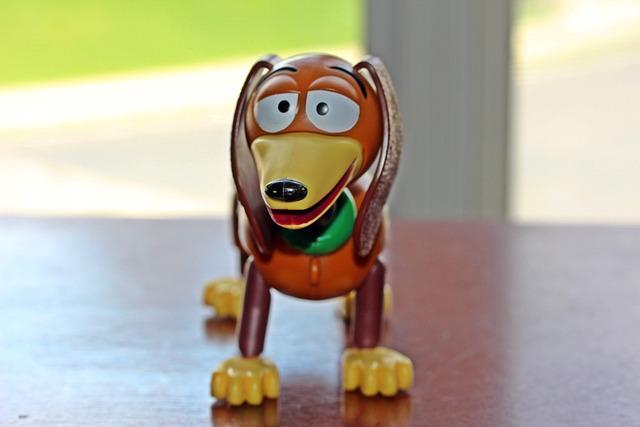
Pixar’s beloved world of “Toy Story” is coming to life beyond the big screen, bringing joy and comfort to young patients at Stanford Children’s Hospital. In a heartwarming collaboration, artists behind the upcoming “Toy Story 5” have partnered with medical staff to create immersive experiences and special artwork aimed at lifting spirits and easing the challenges faced by children undergoing treatment. This initiative highlights the powerful role of creativity and storytelling in healthcare, as Pixar’s movie magic reaches out to brighten the lives of those who need it most.
Toy Story 5 Artists Collaborate with Stanford Children’s Hospital to Brighten Patient Experiences
In an inspiring initiative, artists behind the upcoming Toy Story 5 have joined forces with Stanford Children’s Hospital to infuse creativity and joy within its walls. The collaboration brought character sketches, digital murals, and interactive art installations designed to engage young patients and brighten their often challenging hospital stays. Children were invited to participate in live drawing sessions alongside the talented Pixar team, offering a rare glimpse into the magic behind the beloved franchise’s animation process.
The partnership focused on combining cutting-edge technology with heartfelt artistry to create an environment that promotes healing and imagination. Highlights of the project included:
- Custom interactive kiosks featuring Toy Story characters for play and storytelling
- Patient art contributions displayed in a dedicated gallery space
- Workshops led by Pixar artists cultivating creative expression and confidence
| Creative Element | Purpose | Impact |
|---|---|---|
| Digital Murals | Visual stimulation | Reduced anxiety |
| Interactive Kiosks | Entertainment and distraction | Increased engagement |
| Live Drawing Sessions | Direct patient involvement | Enhanced mood and creativity |
Behind the Scenes How Pixar Creators Translate Animation Magic into Therapeutic Art
Inside Stanford Children’s Hospital, the creative minds behind Toy Story 5 have transformed their animation prowess into a powerful form of healing. Pixar artists, known for crafting unforgettable cinematic experiences, are now channeling their skills into therapeutic workshops designed specifically for young patients. By blending vibrant storytelling with hands-on activities, they offer children a unique creative outlet that momentarily transports them from hospital rooms to the colorful worlds they’ve come to love on screen. This innovative approach not only nurtures imagination but also provides emotional comfort during challenging treatments.
Central to this initiative is a carefully curated process that integrates Pixar’s hallmark artistry with therapeutic goals. The artists guide children through exercises such as:
- Character design sketching to encourage self-expression
- Collaborative storytelling that fosters communication and teamwork
- Color therapy painting using palettes inspired by Toy Story 5 scenes
These activities are supported by medical staff who observe notable improvements in patients’ mental well-being. A quick overview of the program’s impact is shown below:
| Metric | Before Sessions | After Sessions |
|---|---|---|
| Patient Stress Levels | High | Moderate |
| Engagement in Therapy | Low | High |
| Emotional Expression | Limited | Expanded |
Recommendations for Integrating Creative Arts Programs into Pediatric Care Facilities
Embedding creative arts programs into pediatric care settings requires a thoughtful approach that balances therapeutic goals with the unique needs of young patients. Facilities should prioritize collaboration between medical professionals and artists to develop engaging, age-appropriate activities that foster emotional expression and distraction from medical procedures. Flexible programming that adapts to varied health conditions and hospital schedules can maximize participation and ensure consistent benefits. Moreover, incorporating elements from popular culture, such as characters from beloved films like Toy Story, can deepen children’s connection to the experience, sparking imagination and hope during treatment.
Successful integration also depends on providing dedicated spaces where creativity can flourish without compromising clinical care. This could mean multimedia rooms equipped with art supplies, digital drawing tablets, or interactive installations crafted by professional artists collaborating with hospital staff. To illustrate, consider the table below presenting key components for effective arts integration:
| Component | Purpose | Example |
|---|---|---|
| Artist Residency | Bring professional expertise on-site | Pixar artists leading storyboarding workshops |
| Flexible Scheduling | Align with treatment times | Sessions before or after medical procedures |
| Interactive Spaces | Encourage hands-on creativity | Digital animation studios within the ward |
| Cultural Relevance | Enhance engagement | Themed projects around popular films |
Insights and Conclusions
As ‘Toy Story 5’ continues to captivate audiences worldwide, the creative spirit behind the film is making a profound impact beyond the silver screen. By bringing Pixar’s artistry directly to patients at Stanford Children’s Hospital, the film’s team offers more than just entertainment-they provide moments of joy and inspiration during challenging times. This unique collaboration underscores the power of storytelling and creativity in healing, reaffirming Pixar’s commitment to touching lives both on and off the big screen.