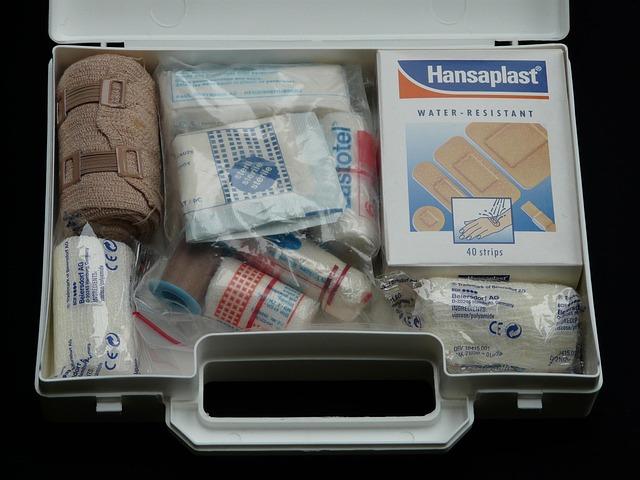
As earthquake activity continues to pose a significant threat in many regions worldwide, preparedness has never been more critical. Experts emphasize that having a well-stocked emergency kit can mean the difference between safety and disaster when the ground begins to shake. In this article, we outline the essential items every earthquake emergency kit needs-tools and supplies designed to help individuals and families survive the initial shock and sustain themselves until help arrives. From water and food to first aid and communication devices, assembling the right kit is a vital step in earthquake readiness.
Basic Survival Supplies to Include in Every Earthquake Emergency Kit
Preparing for an earthquake means equipping yourself with essential gear that can sustain you during the critical hours following a tremor. At the core of any emergency kit are water and food supplies designed to last at least 72 hours. Include bottled water-one gallon per person per day-and non-perishable, easy-to-open foods like energy bars, canned goods, and dried fruits. Don’t forget a manual can opener and utensils. Additionally, items such as a first aid kit, battery-powered or hand-crank radio, and flashlights with extra batteries are vital to maintain communication and visibility when power outages strike.
Beyond basics, consider adding safety and personal care items that ensure comfort and security in a chaotic environment. Protective gear, including sturdy gloves and dust masks, helps shield from debris and dust. Multi-tools and duct tape prove invaluable for quick repairs or securing broken items. Sanitation essentials like moist towelettes, garbage bags, and personal hygiene products prevent illness in makeshift conditions. Below is a concise overview of these key components:
| Category | Recommended Supplies |
|---|---|
| Water & Food | Bottled water, energy bars, canned food, manual can opener |
| Communication & Light | Battery radio, flashlight, extra batteries |
| Safety & Tools | Gloves, dust masks, multi-tool, duct tape |
| Sanitation | Moist towelettes, garbage bags, hygiene products |
Tools and Equipment That Enhance Safety and Communication
When a quake strikes, effective communication can mean the difference between safety and disaster. Essential for maintaining contact in the chaos are devices such as two-way radios, which operate independently of cellular networks and provide reliable short-range communication. Equally important are whistles and signal mirrors, simple yet invaluable for attracting attention when electronic devices fail. Including a hand-crank or solar-powered flashlight ensures visibility during power outages, while emergency radios equipped with NOAA weather alerts keep you informed about aftershocks and other hazards. Packing these tools in your kit prepares you to relay critical information and maintain coordination amidst the uncertainty.
Alongside communication, other equipment enhances overall safety and situational awareness. A well-stocked kit should feature sturdy protective gloves, enabling safe debris handling and first aid, plus a multi-tool with pliers and wire cutters to manage a variety of mechanical emergencies. Reflective vests improve visibility for rescue workers or when navigating darkened streets, and dust masks protect lungs from airborne particles common after structural damage. Below is a quick reference for must-have items that fortify your ability to communicate and stay secure after an earthquake:
| Item | Function | Tip |
|---|---|---|
| Two-way Radio | Wireless communication in blackout zones | Keep extra batteries handy |
| Emergency Whistle | Signal for help when voice fails | Attach to glove or vest |
| Hand-Crank Flashlight | Continuous light without batteries | Test regularly to ensure functionality |
| Protective Gloves | Shield hands from sharp debris | Choose cut-resistant materials |
| Reflective Vest | Increase visibility at night | Wear when moving outdoors after dark |
Personal Items and Documentation to Secure for Immediate Access
Access to critical personal items and documentation during an earthquake can mean the difference between chaos and calm. Ensure that your emergency kit includes essential identification and personal records stored in a waterproof, fireproof container. This might include passports, driver’s licenses, birth certificates, social security cards, and medical information. Having these documents readily available will expedite emergency aid, insurance claims, and relocation processes.
Alongside official papers, stock your kit with necessary personal items like prescription medications, emergency cash, spare glasses, and contact lists. These items not only support immediate survival but also maintain communication and healthcare continuity. Consider the following essentials for quick access:
- Copies of insurance policies and medical records
- Recent photos of family members and pets
- Emergency contact information written on durable paper
- Medication lists with dosage and frequency
- Flash drives containing digital copies of important documents
| Item Category | Examples |
|---|---|
| Identity Documents | Passport, Driver’s License |
| Medical Info | Prescription notes, Allergy forms |
| Financial Resources | Emergency cash, Credit card copies |
| Communication Aids | Contact lists, Mobile phone charger |
In Summary
In the unpredictable event of an earthquake, having a well-prepared emergency kit can make the difference between safety and crisis. By ensuring your kit includes these essential items-from water and non-perishable food to first aid supplies and communication tools-you take a critical step toward safeguarding yourself and your loved ones. Staying informed and ready is not just prudent; it’s necessary. As seismic activity remains a persistent threat in many regions, preparedness is the best defense against the uncertainties that earthquakes bring.