
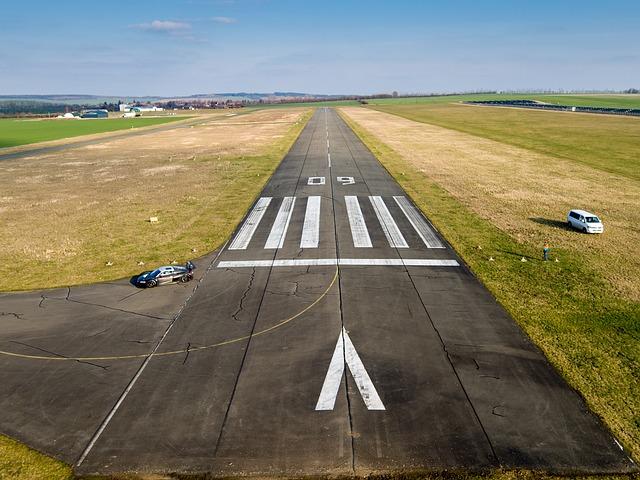
San Francisco International Airport (SFO) is experiencing ongoing flight delays as essential runway maintenance coincides with Federal Aviation Administration (FAA) restrictions, disrupting air traffic flow in and out of one of the nation’s busiest hubs. Travelers continue to face extended wait times and schedule uncertainties amid efforts to improve runway safety and operational efficiency. CBS News reports on the impact of these concurrent challenges on passengers, airlines, and the broader aviation network.
SFO Runway Maintenance Causes Continued Flight Disruptions
Ongoing maintenance on San Francisco International Airport’s runways, coupled with stringent FAA-imposed operational restrictions, continues to ripple through the nation’s air travel network. Pilots, airlines, and passengers alike are grappling with unpredictable delays and cancellations as the essential upkeep work progresses to improve safety and infrastructure reliability. The FAA has mandated reduced flight capacities, limiting the number of takeoffs and landings per hour, which has squeezed the airport’s throughput well below normal levels.
Key factors contributing to the disruption include:
- Restricted runway availability due to resurfacing and lighting upgrades
- FAA-imposed hourly flight limits aimed at managing air traffic flow
- Increased turnaround times caused by shifting gate assignments
- Coordination challenges between airlines and air traffic controllers
| Metric | Normal Operations | Current Restrictions |
|---|---|---|
| Flights per Hour | 60 | 40 |
| Average Delay | 10 minutes | 45 minutes |
| Runways Open | 4 | 2 |
FAA Imposes Restrictions to Manage Air Traffic Amid Ongoing Work
The Federal Aviation Administration has implemented a series of operational restrictions at San Francisco International Airport (SFO) to mitigate the impact of ongoing runway construction. These measures include controlled slot allocations and tighter sequencing protocols aimed at balancing safety and efficiency during peak travel hours. Airlines are experiencing increased turnaround times, resulting in cascading delays across the Bay Area’s busiest gateway. Passengers are advised to monitor flight statuses closely as these FAA guidelines remain in effect through the end of the construction period.
Key components of the FAA’s traffic management strategy include:
- Reduced departure rates during morning and evening peaks
- Priority given to connecting flights to minimize overall passenger disruption
- Enhanced coordination with adjacent air traffic control centers to optimize airspace use
| Time Period | Allowed Departures per Hour | Estimated Delay Increase |
|---|---|---|
| 6 AM – 9 AM | 30 | 15 minutes |
| 9 AM – 4 PM | 45 | 10 minutes |
| 4 PM – 8 PM | 25 | 20 minutes |
Experts Recommend Strategic Scheduling and Enhanced Passenger Communication to Mitigate Delays
Industry specialists emphasize that airlines and airports must adopt more strategic scheduling practices to ease congestion caused by the ongoing runway maintenance at San Francisco International Airport and FAA-imposed restrictions. By staggering flight times and prioritizing off-peak departures, operators can better distribute air traffic, potentially reducing bottlenecks. Additionally, dynamic scheduling models that incorporate real-time data could allow for rapid adjustments, minimizing ripple effects across connecting flights and neighboring hubs.
Effective communication with passengers stands as a critical component in managing traveler expectations during this period of heightened delays. Airlines are encouraged to leverage multiple channels-such as SMS alerts, mobile apps, and on-site messaging-to provide timely updates on flight statuses, gate changes, and alternative travel options. This transparency helps reduce passenger frustration and facilitates smoother boarding processes. Key communication strategies include:
- Proactive notifications about potential delays before passengers arrive at the airport
- Clear explanations outlining causes of disruptions and estimated resolution times
- Customer support availability through chatbots and call centers for immediate assistance
| Strategy | Expected Impact |
|---|---|
| Staggered Flight Scheduling | Reduced runway bottlenecks |
| Real-Time Passenger Alerts | Improved customer satisfaction |
| Enhanced On-Site Signage | Smoother boarding flow |
Key Takeaways
As runway maintenance continues at San Francisco International Airport and FAA-imposed restrictions remain in place, travelers can expect ongoing delays in the coming weeks. Authorities urge passengers to monitor flight statuses closely and allow extra time for travel. While the improvements aim to enhance long-term safety and efficiency, the current disruptions underscore the challenges of managing high-volume air traffic amid necessary infrastructure upgrades. CBS News will continue to provide updates as the situation develops.