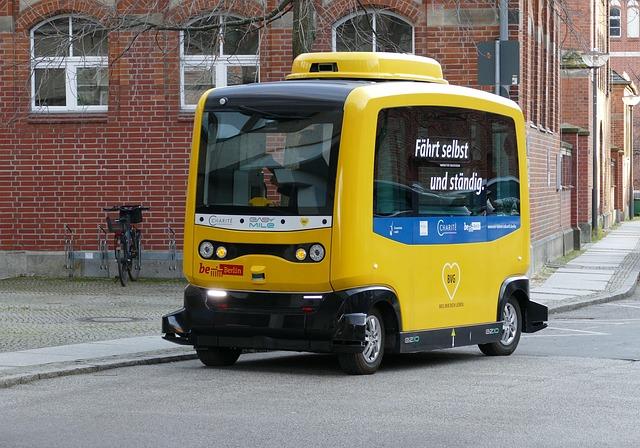
Starting in 2026, self-driving cars may be directly notified of traffic violations under a proposed new law aimed at modernizing road safety enforcement. As autonomous vehicles become increasingly common, regulators are adapting legal frameworks to address the unique challenges they present. The legislation seeks to clarify responsibility and streamline the process of issuing fines and penalties by enabling traffic authorities to send violation notices directly to the vehicle’s registered system, rather than relying solely on human drivers. This move marks a significant step in integrating autonomous technology with existing traffic laws, raising important questions about accountability, privacy, and the future of transportation.
Self-driving Cars to Be Held Accountable for Traffic Violations Under Upcoming Legislation
Starting in 2026, legislation will require self-driving vehicles to be formally recognized in the traffic enforcement ecosystem. This groundbreaking move aims to adapt current laws to the rapidly evolving landscape of autonomous technology, ensuring that these vehicles can be issued citations just like human drivers. Authorities will rely on integrated data systems installed within self-driving cars, enabling seamless identification and notification of violations such as speeding, illegal parking, and running red lights.
Key features of the law include:
- Direct electronic issuance of traffic violation notices to the vehicle’s registered owner
- Mandatory recording and transmission of violation data through onboard telematics
- Assignment of responsibility to manufacturers or software developers in cases of system malfunctions
- Periodic government audits of autonomous vehicle compliance systems
| Violation Type | Penalty | Responsibility |
|---|---|---|
| Speeding | Fines up to $500 | Vehicle Owner |
| Illegal Parking | Parking Ticket | Vehicle Owner |
| Signal Violation | Fine & Points | Autonomous System Manufacturer* |
*In case of identified system errors contributing to the violation.
Legal Implications and Enforcement Challenges of Automated Vehicle Infractions
Determining liability when automated vehicles violate traffic laws presents complex legal questions. Unlike conventional infractions where human drivers are held accountable, these notices will target the vehicle’s operating system or manufacturer. This shift compels lawmakers to redefine culpability frameworks, as traditional traffic enforcement mechanisms may prove inadequate for software-driven violations. Challenges include identifying whether a fault lies in the vehicle’s AI decision-making, a sensor malfunction, or external factors such as bad road signage.
Enforcement agencies will need specialized tools and new protocols to process and verify automated traffic infractions effectively. For instance, the transition requires integration between law enforcement databases and manufacturers’ systems for seamless citation issuance and dispute resolution. Below is a summary of primary enforcement challenges and potential responses:
| Challenge | Potential Solution |
|---|---|
| Attribution of Responsibility | Establish legal standards for software developers and owners |
| Verification of Infractions | Deploy AI-assisted evidence analysis tools for accuracy |
| Privacy Concerns | Implement strict data protection policies in automated violation reporting |
| Dispute Resolution | Create arbitration avenues adapted to automated system errors |
Recommendations for Manufacturers and Policymakers to Ensure Compliance and Safety
To foster a seamless transition into the upcoming legal landscape, manufacturers must prioritize rigorous validation and transparent communication protocols. This includes implementing advanced AI algorithms capable of accurately identifying and responding to traffic regulations across diverse environments. Regular software audits and real-time updates should become industry standards to mitigate errors that could otherwise lead to unwarranted violations. Additionally, collaboration with regulatory bodies to establish clear frameworks for data sharing and privacy protection will be crucial in maintaining public trust and ensuring accountability.
Policymakers are encouraged to develop adaptive regulatory measures that balance innovation with public safety. This involves creating multistakeholder committees incorporating technologists, consumer advocates, and legal experts to oversee the evolving dynamics of self-driving vehicle compliance. Implementing comprehensive educational programs aimed at both industry players and end-users will also be vital to clarify liability issues and promote understanding of notification processes. The following table outlines key recommendations for both sectors:
| Stakeholder | Primary Focus | Action Item |
|---|---|---|
| Manufacturers | Technological Reliability | Deploy continuous AI performance monitoring |
| Manufacturers | Transparency | Share violation data with regulatory agencies securely |
| Policymakers | Regulatory Flexibility | Establish adaptable legal frameworks for AI-driven vehicles |
| Policymakers | Public Awareness | Launch educational campaigns on self-driving compliance rights |
In Summary
As the 2026 implementation date approaches, the introduction of traffic violation notices directly to self-driving cars marks a significant step in integrating autonomous vehicles into existing legal frameworks. Lawmakers and industry experts alike will be watching closely to see how this new regulation shapes road safety, accountability, and the future of automated transportation.