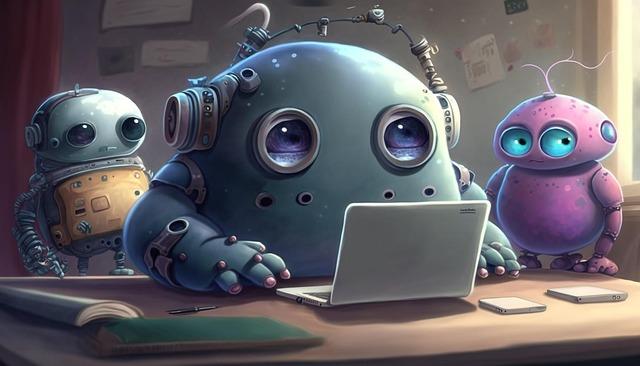
As mental health care resources struggle to keep pace with growing demand, an increasing number of teenagers are turning to artificial intelligence chatbots for emotional support and guidance. These digital companions, designed to provide non-judgmental listening and coping strategies, have emerged as a readily accessible alternative for young people facing anxiety, depression, and loneliness. While experts caution that AI cannot replace professional treatment, the trend highlights significant gaps in youth mental health services and raises questions about the role of technology in addressing a mounting crisis.
Teens Seek Comfort in AI Chatbots Amid Growing Mental Health Care Gaps
As traditional mental health care systems struggle to meet growing demand, many teenagers are increasingly turning to AI chatbots for immediate emotional support. These digital companions offer a judgment-free space where teens can freely express their feelings and anxieties, often responding instantly when human help is scarce. The appeal lies not only in accessibility but also in the nonhuman nature of the interaction, which can feel less intimidating than speaking to friends, family, or professionals. For many young users, chatbots provide a consistent outlet during moments of panic, loneliness, or stress, filling critical gaps left by overwhelmed mental health services.
Recent surveys highlight several reasons why teens find AI chatbots compelling:
- 24/7 Availability: Immediate response anytime, day or night.
- Privacy and Anonymity: No fear of judgment or stigma.
- Nonintrusive Support: Conversations that feel safe and controlled.
- Consistency: A reliable “listener” during fluctuating moods.
| Aspect | Chatbot Advantage | Traditional Care Gap |
|---|---|---|
| Response Time | Seconds | Weeks to months |
| Accessibility | Anywhere, anytime | Limited by geography & hours |
| Emotional Safety | Anonymous chats | Fear of social stigma |
Understanding the Appeal and Limitations of Digital Support for Young People
Digital support platforms, especially AI chatbots, have increasingly become a refuge for teenagers grappling with mental health challenges. These tools offer immediacy and anonymity, which are crucial for young users who may feel hesitant about reaching out to traditional support systems. Unlike face-to-face interactions, AI chatbots are accessible 24/7, providing a non-judgmental space where teens can express their feelings freely. The technology’s ability to simulate empathy and active listening resonates with youths who seek to be heard without fear of stigma or repercussion.
However, digital support is not without its drawbacks. The nuanced emotional needs of teens often extend beyond what AI can currently comprehend or process effectively. While chatbots excel at offering basic coping strategies and monitoring mood patterns, they lack the capacity for genuine human connection and complex therapeutic interventions. As a result, researchers and mental health professionals warn against over-reliance on digital tools as a substitute for comprehensive care. Below is a comparison of benefits and limitations that help illustrate where AI chatbots stand in the landscape of youth mental health support:
| Advantages | Limitations |
|---|---|
| Accessible anytime, anywhere | Cannot replace human empathy |
| Low-barrier communication | Limited understanding of complex emotions |
| Encourages early disclosure | Lacks personalized therapeutic guidance |
| Privacy and anonymity assured | Dependent on user honesty and engagement |
Experts Offer Guidance on Integrating AI Tools with Traditional Mental Health Services
Leading mental health professionals emphasize the potential of AI chatbots to complement-but not replace-traditional care methods. These tools can serve as an immediate, accessible outlet for teens who may feel hesitant or unable to reach out to human therapists. Experts recommend deploying AI solutions as first-response support systems, designed to identify early warning signs and guide users toward professional help when necessary. Integrating AI requires rigorous ethical frameworks to ensure privacy, data security, and transparency, especially when dealing with minors.
To facilitate effective collaboration between AI technology and clinicians, specialists advocate for clear protocols and ongoing training. This includes:
- Regular assessment of AI chatbot accuracy and empathy in responses
- Data sharing models that respect patient confidentiality
- Multi-disciplinary teams that include AI developers, therapists, and patient advocates
- Usage guidelines to determine when escalation to human intervention is necessary
| Integration Aspect | Key Consideration | Benefit |
|---|---|---|
| Ethical Oversight | Privacy & Consent | Protects user trust and legal compliance |
| Training & Education | Clinician Familiarity | Improves AI-human collaboration efficiency |
| Escalation Protocols | Risk Identification | Ensures timely professional intervention |
Final Thoughts
As mental health services continue to struggle under increasing demand, the growing reliance of teens on AI chatbots highlights both a gap in accessible care and a shifting landscape in how young people seek support. While these digital tools cannot replace professional treatment, their role as immediate, stigma-free companions underscores the urgent need for expanded resources and innovative solutions to address youth mental health challenges. As technology evolves, so too must our approach to ensuring that every teen has access to the compassionate and effective help they deserve.