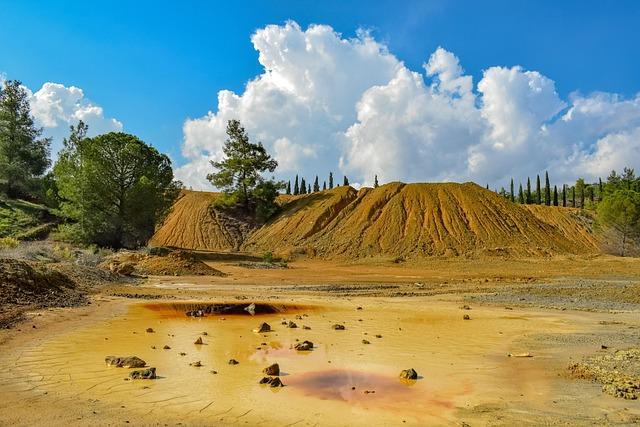
Richmond’s Kennedy High School has been abruptly closed following the discovery of a hazardous toxic chemical buried beneath the campus. Authorities confirmed that the contamination poses significant health risks to students and staff, prompting immediate evacuation and suspension of classes. The incident has raised urgent concerns about environmental safety and oversight in the area, as officials work to assess the full extent of the pollution and determine next steps for remediation.
Health Risks and Environmental Impact of Toxic Chemicals Discovered at Kennedy High
The discovery of hazardous substances under Kennedy High has raised immediate concerns regarding both health and environmental safety. The toxic chemicals identified include volatile organic compounds (VOCs), heavy metals, and persistent organic pollutants, all known to pose severe risks to human health. Exposure to these contaminants can lead to a range of acute and chronic conditions such as respiratory issues, skin irritation, neurological disorders, and even long-term diseases like cancer. School staff, students, and nearby residents have been advised to avoid the area until comprehensive remediation efforts are completed.
Beyond direct health risks, the environmental impact of these toxic substances threatens local ecosystems and groundwater quality. The contamination has the potential to seep into soil and surrounding water sources, endangering wildlife and disrupting natural habitats. Authorities have prioritized containment measures, including:
- Soil excavation and removal from affected zones
- Groundwater monitoring with ongoing testing protocols
- Air quality assessments to mitigate inhalation risks
| Chemical | Health Effects | Environmental Impact |
|---|---|---|
| Benzene | Leukemia, dizziness | Soil toxicity |
| Lead | Cognitive impairment | Water contamination |
| PCBs | Immune suppression | Bioaccumulation in wildlife |
Investigation Into Contamination Sources and Responsibility for Campus Pollution
Initial environmental assessments have identified several potential sources contributing to the toxic chemical plume discovered beneath Kennedy High’s campus. Historical records indicate that decades-old industrial activities in adjacent zones, including defunct manufacturing plants and improper disposal of hazardous materials, likely played a significant role. Additionally, routine pesticide applications on nearby playing fields and leakage from underground storage tanks were flagged during preliminary inquiries. Authorities are intensifying efforts to pinpoint the exact origin of the contaminants to ensure responsible parties are held accountable.
Investigative teams are focusing on the following suspects:
- Former chemical suppliers linked to Richmond’s industrial sector
- Previous property owners with records of environmental violations
- Municipal waste management facilities in the vicinity
| Potential Source | Period Active | Status |
|---|---|---|
| Richmond Chemical Plant | 1965 – 1998 | Closed |
| Local Pesticide Storage | 1970 – Present | Operational |
| Underground Fuel Tanks | 1980 – 2010 | Removed |
Recommendations for Immediate Safety Measures and Long-Term Community Remediation
In response to the discovery of toxic chemicals beneath Kennedy High, immediate evacuation protocols have been enacted to protect students, staff, and residents. Authorities recommend the deployment of air quality monitors around the campus perimeter to continuously track contamination levels. Access to the school grounds remains strictly prohibited until comprehensive soil and water testing confirm safety. Additionally, temporary relocation of educational activities to nearby facilities equipped with proper air filtration systems is being coordinated.
For long-term remediation, a phased cleanup plan emphasizing community involvement and transparency is essential. Experts advise the installation of containment barriers and the use of bioremediation techniques to naturally degrade hazardous compounds. Local government and environmental agencies must collaborate on periodic progress reports and health screenings for affected populations. The following table outlines a proposed timeline and key actions to restore safety and environmental health to the Kennedy High area:
| Phase | Action | Estimated Duration |
|---|---|---|
| 1 | Site Assessment and Air Monitoring | 1-2 months |
| 2 | Containment Barrier Installation | 3-4 months |
| 3 | Soil Treatment and Bioremediation | 6-12 months |
| 4 | Community Health Monitoring | Ongoing |
- Avoid all contact with soil and groundwater in the affected area until clearance is granted.
- Participate in health screenings provided by local health departments.
- Stay informed through official channels for updates on the cleanup progress.
- Support local efforts by engaging in community meetings and environmental programs.
Insights and Conclusions
As investigations continue into the source and extent of the contamination beneath Kennedy High School, local authorities urge residents and families to stay informed through official updates. The closure underscores growing concerns about environmental hazards in school districts and the need for thorough site assessments to ensure student safety. Richmond’s community now faces the challenge of addressing both the health risks and the disruption caused by the unexpected shutdown, with officials pledging transparency and swift action in the coming weeks.