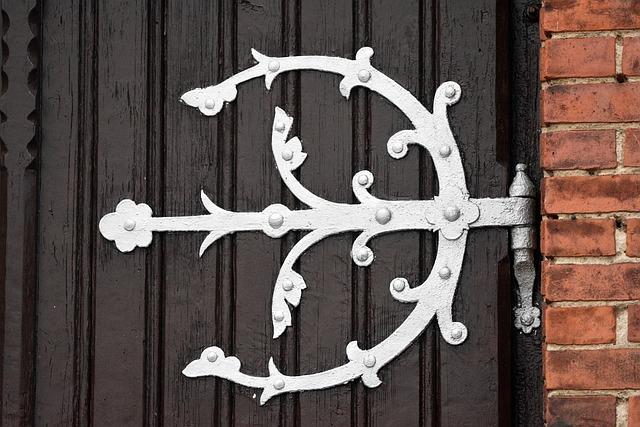
In an era dominated by digital distractions and fast-paced lifestyles, a surprising trend is emerging among young people: a renewed interest in traditional crafts often associated with older generations. From blacksmithing to needlepoint, millennials and Gen Zers are increasingly embracing “grandma hobbies,” finding in them not only creative fulfillment but also a connection to history and a respite from the virtual world. This revival signals a cultural shift, as these hands-on activities gain popularity in communities, workshops, and social media platforms nationwide.
The Revival of Traditional Crafts Among Younger Generations
Across urban lofts and suburban workshops, an unexpected renaissance is underway as a wave of young artisans dives into practices once deemed relics of a bygone era. From the rhythmic hammering in community blacksmithing studios to the meticulous stitches threading through vintage fabric, these pursuits, affectionately tagged as “grandma hobbies,” are experiencing a surge in popularity among millennials and Gen Z. This movement isn’t just about nostalgia; it’s a deliberate reclaiming of hands-on creativity and sustainable craftsmanship rarely emphasized in today’s digital age. Workshops and pop-up markets brim with enthusiasts eager to master skills like woodworking, pottery, and embroidery – activities that fuse historical tradition with modern twists.
Key factors driving this cultural revival include the desire for connection, mindful consumerism, and a striving for mental well-being. Beyond the social satisfaction of belonging to maker communities, practitioners report a calming, almost meditative quality to these crafts, contrasting sharply with their screen-dominated lives. Notably, many have also turned their skills into micro-enterprises, turning passion projects into thriving small businesses. The table below highlights some traditional crafts gaining traction among younger generations and the unique benefits they report:
| Craft | Popular Among Age | Reported Benefits |
|---|---|---|
| Blacksmithing | 18-34 | Creativity, Strength |
| Knitting & Crochet | 16-30 | Stress Relief, Community |
| Woodworking | 20-35 | Skill Mastery, Productive Focus |
| Embroidery & Needlepoint | 15-28 | Mindfulness, Joy |
- Revival workshops: Local hubs where young crafters learn and exchange skills.
- Social media communities: Instagram and TikTok pages dedicated to showcasing finished projects and tutorials.
- Sustainable appeal: Handmade goods offer an eco-friendly alternative to mass-produced products.
How Blacksmithing and Needlepoint Offer Creative Outlets and Mental Wellness
In a world dominated by fast-paced digital entertainment and endless scrolling, the tactile, hands-on nature of blacksmithing and needlepoint provides a welcomed escape for many young people. These “grandma hobbies” offer more than just nostalgia; they empower individuals to cultivate patience, focus, and a sense of accomplishment. The rhythmic hammer strikes on glowing metal or the meticulous stitching of intricate patterns become meditative acts that foster mental clarity and reduce anxiety. For starters, engaging in these crafts encourages:
- Mindfulness: Concentrating on each detail helps participants stay present in the moment.
- Stress Relief: Physical activity combined with creative expression lowers cortisol levels.
- Skill-building: Developing expertise over time nurtures confidence and self-worth.
Besides their therapeutic benefits, these pastimes cultivate a vibrant community where young artisans share knowledge, tips, and support. Whether assembling a handcrafted iron gate or completing a delicate floral embroidery, the satisfaction derived is both personal and communal. Below is a comparison highlighting how blacksmithing and needlepoint contribute uniquely to mental wellness:
| Aspect | Blacksmithing | Needlepoint |
|---|---|---|
| Physical Engagement | Intensive, full-body movement | Fine motor skills, hand dexterity |
| Creative Output | Bold, sculptural metal pieces | Intricate, colorful textiles |
| Social Interaction | Workshops and forge gatherings | Clubs and online stitching circles |
| Mental Focus | Precision under heat and pressure | Pattern repetition and color planning |
Expert Tips for Beginners Looking to Explore Classic Handmade Skills
Delving into classic handmade skills can be both rewarding and intimidating for newcomers, but experts agree that a patient, playful approach is key. Begin by setting realistic goals – mastering a simple stitch or forging a small metal hook is far more satisfying than rushing into complex projects and feeling overwhelmed. Additionally, sourcing quality materials is crucial; while vintage or recycled supplies add authenticity, novices should start with beginner-friendly kits that provide guidance and reduce frustration. Emphasizing consistency over speed helps build muscle memory and deepens understanding of foundational techniques.
Experts also recommend joining local workshops or online communities where enthusiasts share tips and troubleshooting advice, fostering a support network essential for learning. Crafting notebooks or digital logs allow beginners to track progress and note breakthroughs. Below is a quick-reference table outlining essential tools and beginner tips for popular “grandma hobbies”:
| Craft | Essential Tools | Pro Tip |
|---|---|---|
| Blacksmithing | Hammer, Anvil, Tongs | Start with small, simple iron pieces |
| Needlepoint | Embroidery Hoop, Tapestry Needle, Yarn | Practice even tension for smoother stitches |
| Knitting | Yarn, Needles, Stitch Markers | Master the basic knit and purl stitches |
| Pottery | Clay, Pottery Wheel, Kiln | Focus on centering clay before shaping |
Wrapping Up
As young people continue to rediscover and revive traditional crafts like blacksmithing and needlepoint, these “grandma hobbies” are being redefined for a new generation. Blending skill, creativity, and a growing appreciation for hands-on work, this resurgence not only preserves valuable cultural heritage but also offers meaningful alternatives to today’s digital-dominated lifestyle. Whether as a form of self-expression or a way to connect with the past, these time-honored crafts are proving that some old skills still have a strong place in the modern world.