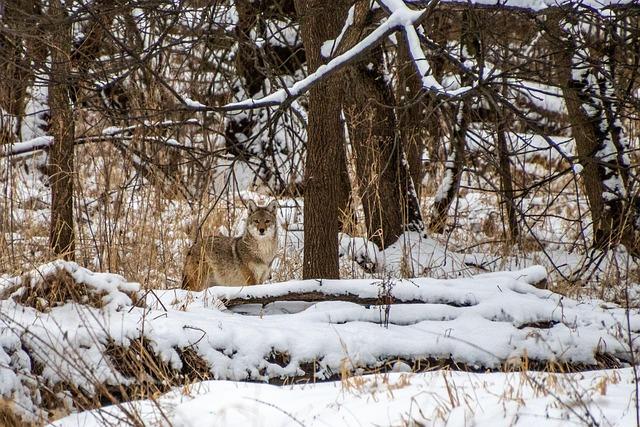
A surprising visitor was recently spotted making its way to Alcatraz Island, as a coyote was seen swimming across the frigid waters of San Francisco Bay. The rare sighting, captured by eyewitnesses and reported by CBS News, raises questions about the adaptability and range of urban wildlife in the Bay Area. This unexpected journey highlights the challenges and resilience of coyotes navigating human-dominated landscapes.
Coyote’s Unusual Swim to Alcatraz Captivates Wildlife Experts
Wildlife experts are astounded after recent sightings confirmed a coyote swimming across the chilly waters of San Francisco Bay to Alcatraz Island. This remarkable journey, spanning approximately 1.25 miles, showcases an adaptability and determination rarely observed in coyotes. Typically known to roam urban and rural areas on land, this coyote’s aquatic feat challenges previous assumptions about the species’ behavioral boundaries.
Key observations from the incident include:
- Water temperature: An estimated 50°F, presenting a significant cold stress challenge.
- Distance swum: Close to 1.25 miles, making it one of the longest recorded coyote swims.
- Motivation theories: Searching for new territory, escaping predators, or hunting opportunities on the island.
| Aspect | Details |
|---|---|
| Species | Western Coyote (Canis latrans) |
| Estimated Swim Duration | Approximately 30 minutes |
| Behavioral Implications | Shows unexpected adaptability to aquatic environments |
Analyzing the Risks and Challenges of Urban Wildlife in San Francisco Bay
San Francisco Bay’s urban ecosystem is increasingly becoming a hotspot for wildlife interactions that pose both ecological and public safety concerns. The recent coyote sighting swimming to Alcatraz Island highlights how adaptable these animals are in navigating human-dominated environments. However, this adaptability introduces several challenges that residents and local authorities must address urgently:
- Public Safety Risks: Encounters between coyotes and humans can escalate, especially in densely populated areas where food sources attract wildlife.
- Wildlife Management Difficulties: Tracking and managing urban coyotes is complicated by their ability to traverse diverse terrains-including waterways-as seen in this unusual swim.
- Ecological Imbalance: Movement of predators like coyotes to isolated locations such as Alcatraz could disrupt native species and delicate island ecosystems.
Understanding these challenges requires a closer look at how urban infrastructure intersects with wildlife behavior. The table below outlines key factors interacting in the San Francisco Bay area that contribute to the risks and complexities of managing urban wildlife populations:
| Factor | Description | Potential Impact |
|---|---|---|
| Human Encroachment | Expansion of residential and commercial areas | Loss of habitat, increased animal-human encounters |
| Waterway Accessibility | Coyotes using waterways to reach isolated landmasses | Unexpected animal dispersal, ecosystem disruption |
| Food Availability | Trash and pet food in urban settings | Attracts wildlife into neighborhoods |
| Wildlife Monitoring | Use of technology and citizen reports | Improved tracking but limited resource allocation |
Recommendations for Monitoring and Managing Coyote Activity Near Popular Tourist Sites
Enhanced surveillance measures should be implemented near high-traffic tourist areas to promptly detect coyote activity. Utilizing motion-sensor cameras, drones, and regular patrols can help wildlife officials and park authorities track movement patterns, enabling quick responses to any potential threats. Additionally, clear and well-placed signage informing visitors about coyote behavior and safety precautions can reduce negative human-animal interactions.
Community engagement plays a vital role in managing urban coyote populations. Tourists and locals should be encouraged to:
- Secure food sources: Avoid feeding wildlife and store food properly to prevent attracting coyotes.
- Keep pets safe: Supervise pets, especially during dawn and dusk when coyotes are most active.
- Report sightings: Alert authorities to coyote encounters to assist in monitoring efforts.
| Action | Purpose |
|---|---|
| Use motion-sensor cameras | Track coyote activity patterns |
| Post educational signage | Inform tourists about safety |
| Community reporting | Enable prompt action on sightings |
Key Takeaways
As authorities continue to monitor the unusual visitor, wildlife experts remind the public to maintain a safe distance and avoid disturbing the island’s delicate ecosystem. The coyote’s unexpected swim to Alcatraz serves as a rare reminder of the surprising adaptability of urban wildlife. CBS News will provide updates as more information becomes available.