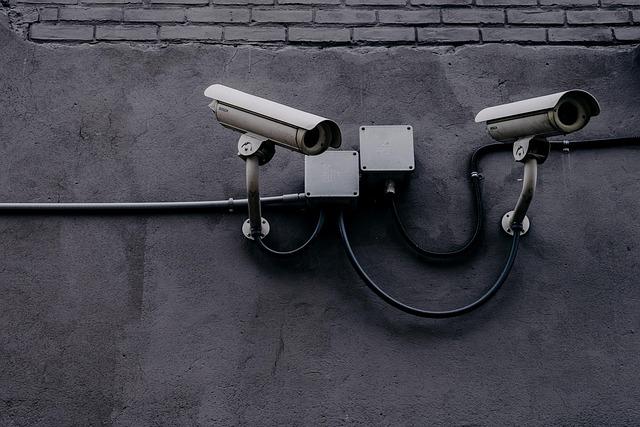
San Francisco’s law enforcement landscape is entering a new era of technology-driven crime-fighting with the launch of a state-of-the-art surveillance center. The San Francisco Police Department (SFPD) unveiled the facility this week, equipped with an integrated network of drones, high-definition cameras, and real-time data analytics designed to monitor and track suspects across the city. Officials say the center will enhance public safety by providing officers with immediate access to critical visual intelligence, but the initiative has also sparked debate over privacy and civil liberties in one of the nation’s most closely watched urban environments.
SFPD Unveils Advanced Surveillance Hub Integrating Drones and Camera Networks
The San Francisco Police Department has launched a state-of-the-art command center designed to bolster public safety through the real-time coordination of aerial drone units and an expansive network of surveillance cameras. This cutting-edge facility empowers officers with instant access to live feeds and advanced analytics, dramatically enhancing their ability to monitor, track, and respond to suspicious activity across the city. Equipped with AI-powered software, the hub can identify unusual patterns and alert officers immediately, ensuring faster and more targeted interventions.
Key features of the new surveillance hub include:
- Integrated drone dispatch system enabling rapid aerial deployment for real-time reconnaissance
- Advanced facial recognition technology linked directly to existing camera infrastructure
- Interactive mapping tools for precise suspect tracking and resource allocation
- 24/7 monitoring teams dedicated to continuous situational awareness
| Feature | Capability | Benefit |
|---|---|---|
| Drone Fleet | Rapid aerial surveillance | Quick suspect location & tracking |
| Camera Network | High-resolution, city-wide coverage | Comprehensive monitoring day & night |
| AI Analytics | Pattern recognition & threat detection | Proactive crime prevention |
| Command Interface | Real-time data integration | Faster decision-making & deployment |
Enhanced Real-Time Tracking Boosts Crime Response and Public Safety Efforts
San Francisco’s law enforcement landscape has taken a significant leap forward with the introduction of a cutting-edge surveillance center, combining drone technology and an extensive camera network to monitor public spaces in real time. This innovative system allows officers to respond to incidents with unprecedented speed and precision, drastically reducing the time between an alert and tactical intervention. Equipped with AI-powered analytics, the center not only tracks suspects but also identifies suspicious behaviors before crimes escalate, optimizing resource deployment and enhancing community safety.
Key Features of the Surveillance Center:
- Integrated Drone Fleet: Provides aerial surveillance, offering a tactical edge during chases and large events.
- High-Resolution Cameras: Fixed and mobile units that cover critical city zones 24/7.
- Real-Time Data Analytics: AI algorithms analyze patterns, flagging potential threats instantly.
- Coordinated Response System: Connects dispatchers, patrol units, and emergency services seamlessly.
| Technology | Function | Impact |
|---|---|---|
| Drone Surveillance | Live aerial monitoring | Faster suspect location |
| AI Video Analytics | Behavioral pattern recognition | Prevention of escalating incidents |
| Camera Network | Continuous area coverage | Improved situational awareness |
| Communication Hub | Unified officer coordination | Streamlined emergency response |
Experts Recommend Balancing Technological Tools with Privacy and Community Oversight
While the integration of advanced surveillance technologies such as drones and high-definition cameras offers unmatched capabilities in tracking suspects and preventing crime, experts urge a cautious approach that safeguards individual privacy and promotes transparency. Civil liberties advocates emphasize the necessity for clear guidelines that govern data collection, storage, and access, ensuring that these powerful tools are not misused or weaponized against innocent citizens. Balancing public safety with privacy rights remains a pressing challenge, particularly in urban centers where surveillance saturation risks eroding community trust.
To maintain this equilibrium, specialists recommend several key measures:
- Transparent Policies: Publicly accessible documentation detailing surveillance protocols and accountability mechanisms.
- Community Oversight Boards: Inclusion of diverse community members to monitor and review surveillance activities.
- Data Minimization: Collecting only essential information and enforcing strict retention limits.
- Independent Audits: Regular external evaluations to ensure compliance with privacy and civil rights standards.
| Benefit | Potential Risk | Recommended Safeguard |
|---|---|---|
| Faster suspect identification | False positives or profiling | Algorithmic transparency |
| Real-time situational awareness | Mass data collection | Strict access controls |
| Enhanced crime deterrence | Surveillance creep | Community consent mechanisms |
Future Outlook
As the San Francisco Police Department moves forward with its new surveillance center, the integration of drones and advanced camera systems marks a significant shift in urban crime monitoring. While officials emphasize the potential for faster response times and improved public safety, questions about privacy and oversight continue to fuel public debate. How this balance will be maintained remains a key issue as the city navigates the evolving landscape of law enforcement technology.