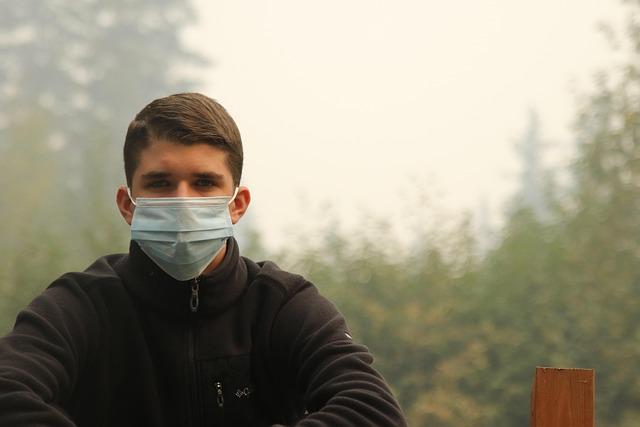
As wildfires grow increasingly frequent and fierce across the western United States, the quest to safeguard homes from devastating blazes has taken on urgent new significance. Researchers at the University of California, Berkeley are delving into the complex challenges of wildfire prevention, scrutinizing just how resilient homes can realistically become in the face of extreme fire conditions. Their work highlights both the advances in fire-resistant construction and landscaping, as well as the inherent limits posed by nature’s fury-raising critical questions about the balance between prevention, preparedness, and resilience in wildfire-prone communities.
Wildfire-Resistant Design Strategies Offer Crucial but Incomplete Protection
Advances in wildfire-resistant architecture have significantly enhanced the ability of homes to withstand fire exposure, but experts warn that these measures alone cannot guarantee complete safety. Berkeley researchers emphasize that while materials like ember-resistant vents, tempered glass, and noncombustible siding dramatically reduce vulnerability, the unpredictable nature of wildfires-driven by extreme weather, topography, and environmental conditions-means that risks persist. Crucially, mitigation also depends on community-wide planning and ongoing maintenance, not just isolated upgrades to individual structures.
To contextualize the strengths and limitations of various design features, the team highlights key components that contribute to wildfire resilience:
- Defensible Space: Clearing vegetation and combustible debris within a 30- to 100-foot radius.
- Fire-Resistant Roofing: Using Class A rated materials such as metal or asphalt shingles.
- Exterior Wall Protection: Employing fiber cement, stucco, or masonry finishes.
- Sealed Openings: Installing fine-mesh screens on vents and sealing gaps to prevent ember intrusion.
| Feature | Protection Level | Limitations |
|---|---|---|
| Ember-Resistant Vents | High | Requires regular cleaning |
| Noncombustible Siding | Medium-High | Does not prevent radiant heat damage |
| Defensible Space | Variable | Impacted by neighbor’s vegetation |
| Fire-Resistant Roofing | High | May degrade over time |
Environmental Challenges Expose Limits of Current Home Prevention Methods
As wildfire seasons lengthen and intensify, traditional home prevention measures increasingly demonstrate their limitations. Berkeley researchers underline how factors such as shifting wind patterns, rising temperatures, and prolonged drought periods create unpredictable fire behaviors that often outpace even the most rigorous building codes and vegetation management practices. While fire-resistant materials and defensible space buffers have been mainstays in wildfire defense strategies, these approaches alone can no longer guarantee safety when confronted with extreme environmental stresses.
Key challenges identified by the research team include:
- Ember intrusion: Small burning particles can bypass physical barriers, igniting structures well beyond the visible flame front.
- Climate variability: Sudden heatwaves and unexpected moisture deficits weaken landscaping and increase fuel loads.
- Topographical effects: Complex terrain funnels and accelerates wildfire spread unpredictably.
| Prevention Method | Effectiveness | Limitations |
|---|---|---|
| Fire-Resistant Roofing | High for direct flame exposure | Vulnerable to ember ignitions |
| Defensible Space | Moderate impact | Reduced by extended drought |
| Community-Wide Fuel Breaks | Variable depending on terrain | High cost and maintenance |
Experts Urge Integrated Community Planning and Emergency Preparedness for Greater Safety
Recent findings from Berkeley researchers highlight that while advancing building technologies and fire-resistant materials improve home safety, the complex nature of wildfires demands a collaborative approach that goes beyond individual properties. Experts emphasize the importance of integrated community planning, where neighborhoods coordinate defensible space, vegetation management, and evacuation routes. This strategy not only reduces risk at the household level but strengthens the resilience of entire communities facing increasingly severe fire seasons.
Emergency preparedness must be woven into local policies and urban design with input from residents, fire agencies, and environmental scientists. Key recommendations include:
- Community-wide brush clearance programs synchronized with fire weather forecasts
- Fire-adapted infrastructure such as strategically placed water sources and firebreaks
- Regular emergency drills and communication plans tailored to diverse populations
| Preparedness Factor | Community Role | Impact on Safety |
|---|---|---|
| Vegetation Management | Neighborhood coordination | Reduces ignition sources |
| Evacuation Planning | Local authority collaboration | Improves escape efficiency |
| Infrastructure Resilience | Urban planning integration | Limits fire spread |
Future Outlook
As wildfires continue to grow in frequency and intensity, the efforts by Berkeley researchers highlight both the potential and the limits of making homes truly wildfire-safe. While advances in building materials, landscaping strategies, and community planning offer promising avenues for risk reduction, the reality remains that no home is entirely impervious to the forces of nature. Their work underscores the need for a multifaceted approach-combining prevention, preparedness, and adaptive policies-to better protect communities in fire-prone regions. Ultimately, understanding these limits is crucial as society grapples with the escalating challenges posed by climate change and wildfire.