The East Bay Regional Park District (EBRPD) has launched a new grant program designed to increase access to green spaces by connecting more residents with local parks. Aimed at fostering community engagement and promoting outdoor recreation, the initiative provides funding to organizations and municipalities to develop projects that bring parks closer to underserved neighborhoods. With the program’s rollout, EBRPD hopes to remove barriers to nature and encourage healthier, more vibrant communities throughout the East Bay.
EBRPD Grant Program Focuses on Expanding Access to Regional Parks
The East Bay Regional Park District (EBRPD) has launched a dynamic grant program designed to bridge the gap between communities and the region’s expansive parklands. By funneling resources directly into local initiatives that promote park access, the program encourages inclusive outdoor engagement, especially for underserved populations. Community groups, schools, and nonprofits can apply for funding aimed at improving transportation, developing community-led events, and enhancing park facilities tailored to diverse user groups. These efforts are expected to foster stronger connections between residents and nature, boosting physical health and environmental stewardship simultaneously.
To better understand the program’s priorities, here’s a quick overview of eligible project types:
- Transportation Solutions: Shuttles, bike lanes, and carpool networks to reduce barriers to park entry.
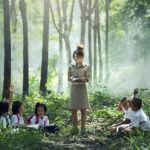
- Educational Outreach: Nature workshops, guided hikes, and youth engagement programs.
- Infrastructure Upgrades: Accessibility improvements like ramps, signage, and rest areas.
The grant structure also promotes measurable impact, requiring applicants to detail how their projects will increase visitation and community involvement. Below is a snapshot of the anticipated outcomes for the current grant cycle:
| Focus Area | Projected Benefit | Target Communities |
|---|---|---|
| Transportation | 20% increase in park visits | Low-income neighborhoods |
| Education & Outreach | 15,000 youth participants | Schools & youth clubs |
| Accessibility | Improved mobility for seniors & disabled | Aging populations |
Community Partnerships Play Key Role in Bringing Outdoor Spaces Closer to Residents
Collaborations between local organizations and the East Bay Regional Park District (EBRPD) have become instrumental in making outdoor experiences more accessible across diverse neighborhoods. By leveraging resources, expertise, and community trust, these partnerships foster tailored programs that resonate with residents’ needs and interests. From urban schools engaging in nature education to nonprofits leading volunteer trail restoration efforts, the combined efforts ensure park initiatives reflect the unique culture of each community while removing barriers to access.
Key elements driving successful partnerships include:
- Joint outreach campaigns tailored to multilingual audiences
- Mobilizing local leaders as park ambassadors
- Creating inclusive events that highlight cultural traditions in park settings
- Establishing transport and guided tour options to simplify park visits
| Partner Type | Program Focus | Impact Areas |
|---|---|---|
| Schools | Environmental education | Youth engagement, curriculum support |
| Community Centers | Family-friendly activities | Access, multicultural events |
| Nonprofits | Park stewardship | Conservation, volunteerism |
| Local Businesses | Event sponsorship | Funding, resource support |
Recommendations for Maximizing Impact Through Inclusive Program Development
To truly foster inclusivity in park programs, organizations should prioritize collaborative planning that actively involves diverse community voices. Engaging local leaders, cultural groups, and underserved populations early in the development process ensures that programs resonate with the community’s unique needs and interests. Building flexible programming that accommodates different languages, abilities, and access needs can remove common participation barriers while fostering a welcoming atmosphere for all visitors.
Strategically leveraging data and feedback loops is also essential. Establishing clear metrics on participation diversity and satisfaction enables continuous refinement of programs to reach broader audiences. Consider the following core practices for impactful inclusivity:
- Inclusive outreach: Use multilingual materials and diverse media channels to spread awareness.
- Partnerships: Collaborate with schools, faith organizations, and local nonprofits to extend program reach.
- Accessibility audits: Regularly assess physical and digital spaces for barriers.
- Affordable options: Implement sliding-scale fees or scholarships to reduce economic constraints.
| Strategy | Key Benefit | Example |
|---|---|---|
| Community-Centered Design | Increased relevance and engagement | Focus groups with diverse neighborhoods |
| Multi-Language Resources | Greater accessibility | Brochures in Spanish, Chinese, Tagalog |
| Collaborative Partnerships | Wider program reach | Joint events with local schools |
| Accessible Infrastructure | Improved inclusiveness | Wheelchair ramps & sensory-friendly zones |
Wrapping Up
As the East Bay Regional Park District’s grant program gains momentum, its efforts to bridge communities and green spaces demonstrate a promising step toward making parks more accessible and inclusive. By investing in initiatives that encourage local engagement and expand recreational opportunities, EBRPD is not only enhancing public health and well-being but also fostering a deeper connection between residents and their natural environment. With continued support and participation, the program has the potential to transform how communities across the East Bay experience and value their regional parks.