
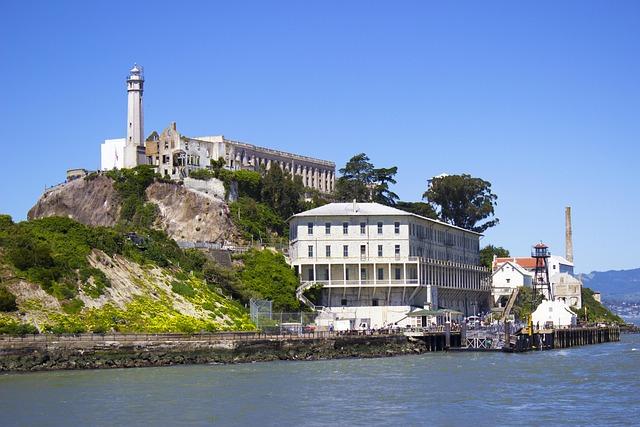
Each year, as the nation observes Thanksgiving, a powerful and transformative event unfolds at Alcatraz Island that challenges traditional narratives. The Alcatraz Indigenous Peoples Sunrise Ceremony offers a poignant alternative to the conventional holiday, honoring Native American resilience, history, and culture. Drawing hundreds of participants and visitors, this early morning gathering redefines Thanksgiving by centering Indigenous voices and perspectives, shedding light on the complex legacy behind the national holiday.
Alcatraz Indigenous Peoples Sunrise Ceremony Reclaims Historical Narrative on Thanksgiving
Every year, as dawn breaks over the iconic shores of San Francisco Bay, Indigenous Peoples gather on Alcatraz Island for a sunrise ceremony that transforms the traditional Thanksgiving narrative. This poignant event serves as a powerful reminder of resilience and cultural survival, spotlighting histories too often silenced. The ceremony blends prayer, song, and storytelling, reclaiming the island not only as a symbol of incarceration but also as a sacred space that honors Indigenous sovereignty and connection to the land. Participants emphasize the importance of acknowledging Indigenous perspectives on Thanksgiving, a holiday that for many Native communities marks a history of loss and resistance.
The ceremony also offers a platform to educate attendees by sharing:
- Historical truths erased from mainstream narratives
- Contemporary Indigenous issues surrounding sovereignty and rights
- Community solidarity fostering healing through collective remembrance
This annual gathering transforms Thanksgiving into a moment of reflection and transformation, challenging guests to reconsider the past and participate in a more inclusive future. Below is a snapshot of key elements highlighted during the ceremony:
| Element | Significance |
|---|---|
| Morning Prayers | Connecting spiritually to ancestors and the land |
| Drum Circles | Symbolizing unity and cultural heartbeat |
| Storytelling | Sharing traditional histories and personal narratives |
| Communal Meal | Reclaiming food sovereignty and traditional harvests |
Honoring Ancestral Connections Through Rituals and Storytelling
Each year, as dawn breaks over San Francisco Bay, the Alcatraz Indigenous Peoples Sunrise Ceremony reignites a profound connection to ancestors through deeply rooted rituals and storytelling. Participants gather to honor the spirits of those who came before, weaving oral histories with ceremonial dances and traditional songs that echo across the island. These acts serve not only as remembrance but as a living testament to the resilience of Indigenous cultures – preserving sacred knowledge and ancestral wisdom passed down through generations.
Storytelling at the ceremony transcends mere narration; it acts as a vibrant tapestry of identity and resistance. Elders share tales that uncover the complexities of colonization and survival, while younger voices contribute contemporary perspectives, fostering intergenerational dialogue. The rituals include:
- Smudging ceremonies for purification and spiritual grounding
- Offerings of native plants and foods symbolizing gratitude
- Prayer songs sung in ancestral languages
| Ritual Element | Purpose | Symbolism |
|---|---|---|
| Smudging | Spiritual cleansing | Connection to earth and spirit |
| Offerings | Gratitude and honoring | Respect for nature’s gifts |
| Storytelling | Transmission of history | Continuity of culture |
How Communities Can Support Indigenous-led Cultural Events and Advocate for Recognition
Active participation in Indigenous-led cultural events like the Alcatraz Indigenous Peoples Sunrise Gathering is a powerful way for communities to show solidarity and respect for Indigenous histories and traditions. Attending ceremonies, volunteering, or providing logistical support not only amplifies Indigenous voices but also fosters a deeper understanding of the significance behind these gatherings. Communities can also collaborate with Indigenous organizers to promote events through social media, local news outlets, and schools, ensuring wider awareness and engagement.
Advocacy for official recognition is equally crucial. This can include petitioning local governments to acknowledge Indigenous holidays, funding cultural preservation projects, or integrating Indigenous narratives into public education curricula. Below is a brief overview of effective community initiatives:
| Initiative | Community Action | Impact |
|---|---|---|
| Event Partnerships | Co-hosting ceremonies with Indigenous groups | Increased participation and resource sharing |
| Educational Outreach | Organizing workshops and school programs | Enhanced cultural awareness among youth |
| Policy Advocacy | Lobbying for Indigenous recognition days | Formal acknowledgment and legitimacy |
| Publicity | Amplifying Indigenous voices online | Broadened audience and media attention |
In Conclusion
As the sun rises over Alcatraz, the Indigenous Peoples Sunrise Gathering continues to transform Thanksgiving from a day of celebration into a moment of reflection and recognition. By honoring Native voices and histories long marginalized, the event challenges participants and observers alike to reconsider the narrative surrounding the holiday. This annual gathering not only commemorates resilience and resistance but also fosters dialogue about the ongoing struggles and contributions of Indigenous communities. As Thanksgiving approaches, the Alcatraz Indigenous Peoples Sunrise reminds us that understanding the past is essential to building a more inclusive and honest future.