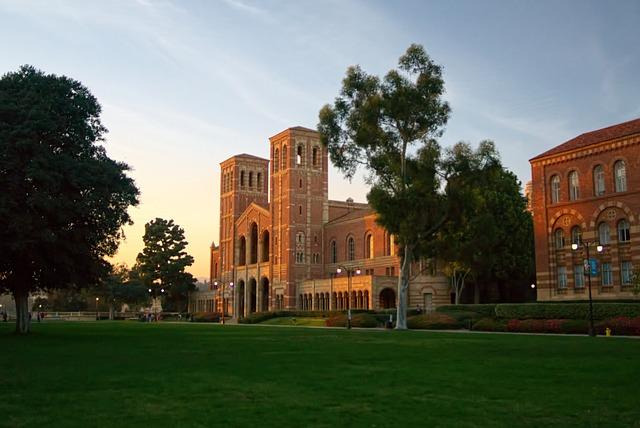
A new bill introduced in the California Legislature aims to ensure that unspent funds from Proposition 28, dedicated to arts education, are actively directed toward enhancing creative programs in schools across the state. Prop. 28, passed by voters in 2022, earmarked significant funding to expand access to music, visual arts, theater, and dance. However, some districts have struggled to fully utilize the allocated resources. The proposed legislation seeks to address this gap by encouraging or requiring schools to deploy any leftover Prop. 28 monies toward enriching arts education opportunities for students, sparking debate among educators, administrators, and lawmakers about implementation and accountability measures.
California Bill Aims to Redirect Unused Prop 28 Arts Education Funds to Underfunded Schools
The proposed legislation seeks to ensure that the substantial funds allocated through Prop. 28 for arts education do not go unused, particularly in schools where such programs face budgetary constraints. Under this bill, unspent Prop. 28 monies would be redirected specifically to under-resourced schools, allowing them to build or expand their arts curricula. Proponents argue this measure will create a more equitable distribution of resources, preventing waste and amplifying the positive impact arts education has on student engagement and achievement across California’s diverse school districts.
Key features of the bill include:
- Mandatory reporting on remaining funds at the end of each fiscal year
- Automatic redistribution of unspent money to schools with demonstrated needs
- Priority focus on low-income and historically underserved communities
| School Type | Potential Additional Funding | Current Arts Program Status |
|---|---|---|
| Urban Underfunded | $150,000 | Limited classes, few instructors |
| Suburban Mid-Level | $75,000 | Moderate offerings, some extracurriculars |
| Rural Low-Income | $120,000 | Minimal access, outdated resources |
Implications for School District Budgets and Arts Program Sustainability
As districts grapple with the pressure to fully deploy available funds, this new legislation could significantly shift fiscal strategies. School budgets, already stretched thin, may need rapid adjustments to comply with mandates that encourage the immediate use of unspent Prop. 28 allocations. This pivot compels administrators to prioritize arts programs more aggressively, ensuring that funds intended to enhance creative education do not sit idle. Consequently, the bill might bolster long-term sustainability for these programs, making arts education a central financial commitment rather than an auxiliary expense.
However, the accelerated spending requirement could also introduce challenges. Districts might face logistical hurdles in efficiently allocating resources within shortened timelines, potentially leading to rushed or less strategic expenditures. Below is a simplified breakdown of possible impacts on school budgets and program sustainability:
| Budget Impact | Potential Outcome |
|---|---|
| Forced Utilization of Funds | Reduces carryover; boosts current program funding |
| Accelerated Spending Deadlines | May lead to planning inefficiencies |
| Increased Accountability | Ensures dedicated support for arts education |
| Budget Reallocations | Could strain other departments temporarily |
Experts Recommend Clear Guidelines and Increased Oversight to Ensure Effective Fund Allocation
Education specialists emphasize the importance of clear guidelines to govern the deployment of unspent Prop. 28 funds, arguing that without robust frameworks, allocations risk becoming inconsistent or misdirected. Stakeholders insist that schools should be equipped with transparent parameters that define priority areas, ensuring that funds directly benefit student arts programs rather than general budgets. Additionally, they advocate for standardized reporting mechanisms to increase accountability, enabling timely assessment of how effectively resources are utilized.
Beyond documentation, experts call for increased oversight from state and local authorities to monitor fund usage rigorously. Such supervision would entail regular audits and impact evaluations, promoting best practices across districts. The table below outlines recommended oversight components proposed by arts education advocates:
| Oversight Component | Purpose | Frequency |
|---|---|---|
| Financial Audits | Verify appropriate expenditure | Annual |
| Program Evaluation | Assess educational impact | Biannual |
| Stakeholder Reporting | Maintain transparency with community | Quarterly |
| Compliance Monitoring | Ensure adherence to guidelines | Continuous |
Concluding Remarks
As the California legislature considers the proposed bill aimed at redirecting unspent Prop. 28 funds toward schools, stakeholders across the education and arts communities are watching closely. Supporters argue the measure could ensure that allocated resources fulfill their intended purpose of enriching arts education, while critics caution about the potential challenges in implementation and oversight. The outcome of this legislation will likely play a significant role in shaping how California schools leverage dedicated arts funding to support students and foster creative learning opportunities in the years ahead.