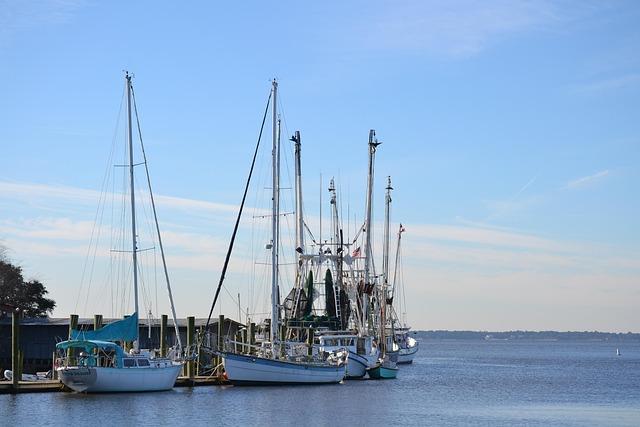
As California’s commercial fishing fleet ages and its veteran fishermen approach retirement, the state faces a critical challenge in preserving an industry steeped in tradition but threatened by demographic shifts. With fewer young entrants willing to navigate the demanding lifestyle of commercial fishing, policymakers and industry leaders are exploring innovative strategies to sustain the graying fleet and ensure the survival of this vital maritime trade. This effort comes amid broader concerns about economic viability, environmental regulations, and shifting market dynamics that together shape the future of California’s coastal communities.
Commercial Fishermen Facing Retirement Threaten California’s Fishing Industry Future
California’s commercial fishing community is confronting a critical juncture as a significant portion of its fleet operators approach retirement age. The aging demographic threatens to deplete the knowledge base and disrupt the sustainability of the state’s seafood industry. Many veteran fishermen are reluctant to pass the torch, citing economic uncertainties and regulatory complexities that deter younger generations from entering the demanding profession. Local authorities and industry advocates emphasize the urgent need for innovative incentives and educational programs to attract new blood and preserve these time-honored maritime traditions.
Efforts to revitalize the fleet focus on several strategic initiatives:
- Financial support for younger fishermen through grants and low-interest loans.
- Training programs that integrate sustainable fishing practices and modern technology.
- Community engagement to raise awareness about the importance of commercial fishing to local economies.
The following table outlines the current age distribution of commercial fishermen along California’s coast, highlighting the urgent need for generational transition:
| Age Group | Percentage of Fleet | Average Years Fishing |
|---|---|---|
| 20-35 | 12% | 5 years |
| 36-50 | 34% | 15 years |
| 51-65 | 40% | 30 years |
| 66+ | 14% | 40+ years |
Challenges in Attracting Younger Generations to Sustain the State’s Aging Fleet
The commercial fishing industry in California faces a critical crossroads as a significant portion of its seasoned fishermen approach retirement age. Younger generations, however, display limited interest in stepping onto these aging vessels, citing concerns over the physically demanding lifestyle, unpredictable income, and stringent regulations. The traditional appeal of a fishing career is fading amidst the lure of more stable, less hazardous occupations, making recruitment an uphill battle for the fleet’s future viability.
Efforts to entice new entrants often struggle against a backdrop of economic uncertainty and the high cost of obtaining the necessary licenses and equipment. Additionally, many young people lack the exposure or family legacy that encourages continuation within the industry. Below is a snapshot of the main deterrents facing prospective fishermen in California:
- Financial Barriers: High start-up costs and fluctuating market prices
- Work-Life Balance: Lengthy hours spent at sea with limited downtime
- Regulatory Complexity: Navigating strict environmental and safety rules
- Technological Gap: A need to modernize vessels to attract tech-savvy fishers
| Challenge | Impact | Potential Solution |
|---|---|---|
| License Costs | Discourages new entrants | Subsidized licensing programs |
| Harsh Working Conditions | High attrition rates | Improved safety gear and vessel upgrades |
| Market Volatility | Income instability | Diversification of catch and value-added products |
Policy Proposals and Community Initiatives Aim to Revitalize Commercial Fishing Workforce
California policymakers and local communities are launching several initiatives to attract a new generation to commercial fishing, countering the demographic shift threatening the industry’s future. Proposals include subsidized training programs, grants for young fishermen to purchase boats, and streamlined licensing processes designed to lower barriers to entry. In partnership with coastal towns, community centers now host workshops not only on fishing techniques but also on sustainable practices and business management, aiming to equip recruits with a comprehensive skill set. Advocates argue that these efforts will help replenish the aging workforce while ensuring the industry adapts to environmental and economic challenges.
Alongside educational outreach, the state is exploring incentives for businesses supporting commercial fisheries, such as cold storage facilities and local seafood markets, to boost economic viability in fishing hubs. Below is a breakdown of key proposed measures designed to breathe new life into the industry:
| Initiative | Description | Expected Impact |
|---|---|---|
| Youth Apprenticeships | Hands-on training with veteran fishermen | Boosts skill transfer and retention |
| Boat Ownership Grants | Financial aid for equipment purchases | Reduces startup costs for newcomers |
| Sustainable Fishing Workshops | Education on eco-friendly practices | Ensures long-term resource health |
| Local Market Development | Support for direct seafood sales | Increases fishermen’s profitability |
In Summary
As California’s commercial fishing community faces an uncertain future, efforts to preserve its aging fleet have taken on new urgency. With many seasoned fishermen approaching retirement, the state and industry stakeholders are exploring innovative strategies to attract younger generations and sustain this vital sector. How successfully these measures can bridge the gap remains to be seen, but the outcome will play a crucial role in shaping the future of California’s fisheries and the coastal communities that depend on them.