

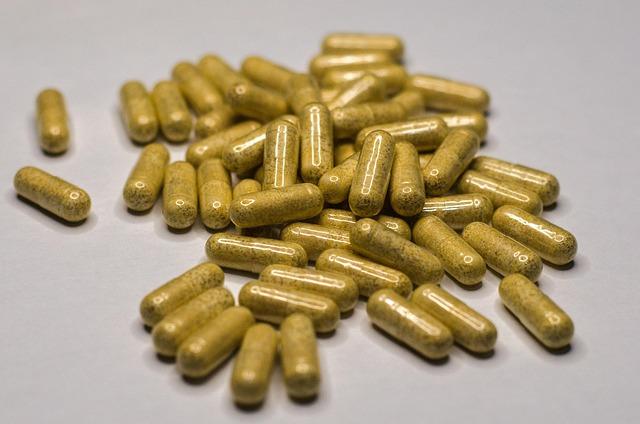
San Francisco health officials have confirmed the city’s first recorded death linked to MGM-15, a potent opioid derived from kratom. The case marks a concerning development amid growing attention to kratom-related substances and their potential health risks. Authorities are investigating the circumstances surrounding the fatality as medical experts call for increased awareness and regulation of emerging synthetic opioids.
SF Health Officials Confirm First Fatality Linked to Kratom-Derived Opioid MGM 15
San Francisco health authorities have officially confirmed the first fatality linked to the kratom-derived opioid known as MGM-15. The victim, whose identity has not been released, was found to have consumed MGM-15 shortly before their death, marking a significant development in the ongoing public health concerns surrounding synthetic opioids derived from natural substances. MGM-15, a recently synthesized compound from the kratom plant, has drawn attention for its potent opioid-like effects and a rising trend in misuse.
Health officials warn that MGM-15 poses severe risks due to its unpredictable potency and potential for fatal overdose. The Department of Public Health has issued the following recommendations for the community:
- Avoid any non-prescribed kratom-based products.
- Seek immediate medical help if experiencing symptoms like respiratory difficulty, extreme sedation, or confusion.
- Report any suspected use of synthetic opioid derivatives to health authorities.
| Substance | Origin | Potency | Legal Status in CA |
|---|---|---|---|
| Kratom | Natural plant | Moderate | Legal with restrictions |
| MGM-15 | Synthetic derivative | High | Controlled substance (under review) |
Understanding the Risks and Potency of MGM 15 Compared to Traditional Opioids
The emergence of MGM-15, a synthetic derivative of kratom alkaloids, has raised significant alarm within medical and regulatory communities due to its unpredictable potency and heightened risk factors compared to traditional opioids. Unlike naturally occurring opioids, MGM-15 is engineered to target opioid receptors with greater affinity, leading to intensified analgesic effects but also substantially increasing the danger of respiratory depression-a leading cause of opioid-related fatalities. Its chemical modification enhances lipophilicity, allowing it to cross the blood-brain barrier more efficiently, which amplifies its effects and shortens the time to overdose symptoms.
Key differentiators in the risk profile of MGM-15 include:
- Unpredictable dosage potency: Small variations in chemical composition can drastically change the drug’s effectiveness.
- Rapid onset and short half-life: Leads to more frequent dosing, increasing the risk of accumulation and toxicity.
- Limited clinical data: Lack of standardized studies hampers accurate dosing guidelines and overdose treatment protocols.
| Feature | MGM-15 | Traditional Opioids |
|---|---|---|
| Potency | Up to 5x morphine | Standardized, known |
| Onset of Action | Rapid (minutes) | Varies (15-60 minutes) |
| Half-Life | Short (1-3 hours) | Longer (3-7 hours) |
| Overdose Risk | Elevated, less predictable | Known, treated with naloxone |
Experts Urge Caution and Regulatory Measures as Kratom-Based Substances Emerge
Medical professionals and toxicology experts are raising alarms following the recent fatality linked to MGM-15, a potent opioid synthesized from kratom derivatives. This novel compound, unlike the naturally occurring kratom plant, exhibits increased potency and unpredictable side effects, complicating emergency responses and treatment protocols. Authorities emphasize that the casual perception of kratom as a “safe” herbal alternative obscures the real dangers posed by its chemically modified iterations. Experts advocate for immediate regulatory frameworks that encompass not only raw kratom but also these synthetic analogs, calling for enhanced surveillance, labeling standards, and public education campaigns.
In response to the evolving landscape, several urgent recommendations have emerged:
- Mandatory testing and classification of kratom-based synthetic opioids under controlled substances laws.
- Implementation of early warning systems in emergency rooms and poison control centers.
- Widespread dissemination of risks associated with analog compounds to healthcare providers and consumers.
- Allocation of funding toward research on toxicity and addiction potential of emerging kratom derivatives.
| Compound | Relative Potency | Reported Cases |
|---|---|---|
| MGM-15 | 8x stronger than kratom | 5 confirmed overdoses |
| KRX-9 | 5x stronger | 2 suspected deaths |
| MTG-22 | Unverified | Data pending |
The Conclusion
The tragic death in San Francisco marks a sobering milestone in the evolving landscape of opioid-related risks associated with kratom-derived substances like MGM-15. As authorities continue to investigate and monitor the situation, public health officials urge caution and awareness about the potential dangers of these compounds. The incident underscores the critical need for ongoing research, regulation, and education to prevent further harm amid the growing use of novel opioid derivatives.