

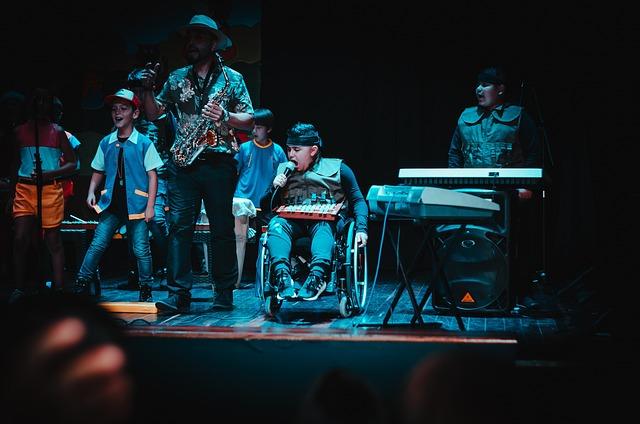
A San Francisco jury has found a man guilty of stealing a wheelchair from a local senior citizen, highlighting concerns over crimes targeting vulnerable individuals. The conviction follows a thorough investigation into the incident, which sparked community outrage and renewed calls for increased protections for the elderly. Authorities say the case underscores the need for vigilance and stronger measures to prevent similar offenses in the future.
Jury Finds Defendant Guilty in Theft of Wheelchair from San Francisco Senior
The recent trial in San Francisco culminated with the jury delivering a unanimous verdict against the defendant accused of stealing a wheelchair from a vulnerable senior citizen. Eyewitness testimonies and surveillance footage played a pivotal role in solidifying the prosecution’s case. The court heard compelling accounts describing how the defendant forcibly removed the chair, leaving the elderly victim immobilized and distressed. Legal experts noted the conviction highlights the seriousness with which the justice system treats crimes targeting seniors.
Key factors influencing the jury’s decision included:
- Clear video evidence capturing the act in a nearby parking lot.
- Victim’s statement describing the emotional and physical impact of the theft.
- Defendant’s prior record, which was referenced during sentencing discussions.
- Community response emphasizing the need to protect vulnerable populations.
| Charge | Verdict | Potential Sentence |
|---|---|---|
| Theft of Property | Guilty | Up to 3 years imprisonment |
| Targeting a Vulnerable Adult | Guilty | Enhanced penalties apply |
Impact of Mobility Equipment Theft on Elderly Victims and Community
The theft of mobility equipment such as wheelchairs targets not only physical property but also undermines the independence and dignity of elderly individuals. For senior victims, the loss can lead to immediate mobility challenges and increased vulnerability to health issues, as replacing such equipment is neither quick nor inexpensive. Beyond the personal hardships, these crimes threaten the sense of security within communities where seniors are valued members, intensifying fear among residents and potentially isolating those who rely heavily on assistive devices.
Community Impact Highlights:
- Heightened anxiety among elderly residents and their families
- Increased demand on social services for replacement and support
- Strain on law enforcement resources focusing on vulnerable populations
| Consequence | Short-Term | Long-Term |
|---|---|---|
| Victim Mobility | Immediate loss of independence | Potential decline in physical health |
| Community Trust | Shock and vigilance | Reduced willingness to engage publicly |
| Economic Impact | Cost of replacement equipment | Increased insurance premiums |
Preventative Measures and Recommendations to Protect Seniors from Similar Crimes
To safeguard seniors from crimes like wheelchair theft, it is crucial to implement both community-driven and individual protective strategies. Families and caregivers should ensure that mobility aids and personal belongings are stored securely, especially when unattended in public places. Installing motion-sensor lighting and surveillance cameras around homes can act as a deterrent, while neighborhood watch programs encourage community vigilance and timely reporting of suspicious activities. Local authorities can also increase patrols in areas with high senior populations to enhance safety and response times.
Recommended Actions for Senior Safety include:
- Engaging trusted neighbors or volunteers to check on seniors regularly.
- Securing wheelchairs and other devices with locks designed specifically for mobility aids.
- Utilizing GPS tracking devices on wheelchairs to enable quick recovery if stolen.
- Educating seniors about avoiding risky areas and when to seek help immediately.
| Measure | Benefit |
|---|---|
| Motion-sensor lighting | Deters nighttime theft |
| GPS tracking on wheelchairs | Enables recovery after theft |
| Neighborhood watch groups | Enhances community surveillance |
| Locking mobility aids | Prevents opportunistic crimes |
Concluding Remarks
The jury’s conviction in this case underscores the seriousness with which the San Francisco community and legal system view crimes targeting vulnerable individuals. As the court moves forward with sentencing, many hope this verdict will serve both as justice for the victim and as a deterrent against similar offenses in the future. The incident highlights ongoing concerns about the safety and well-being of seniors in the city, prompting calls for increased vigilance and support for at-risk populations.