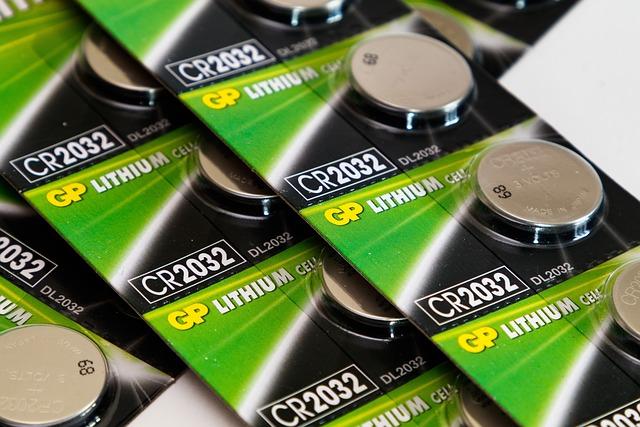
San Francisco has taken a significant step toward enhancing public safety by officially banning the sale and use of uncertified lithium batteries within city limits. This new regulation aims to address growing concerns over the fire hazards and environmental risks associated with uncertified or counterfeit batteries commonly found in consumer electronics and electric vehicles. As lithium battery usage continues to surge, officials emphasize that the ban will help ensure higher safety standards and protect residents from potential accidents linked to substandard battery products.
San Francisco Implements Nationwide First Ban on Uncertified Lithium Batteries
In a groundbreaking move to enhance public safety and environmental responsibility, San Francisco has introduced a comprehensive ban targeting uncertified lithium batteries. This pioneering legislation requires all lithium batteries sold or distributed within the city limits to meet stringent certification standards, aiming to curb the risks associated with faulty or substandard battery products. Officials cite increasing incidents of battery-related fires and hazardous waste concerns as the primary drivers behind this decisive action.
The new regulation mandates that lithium batteries must comply with recognized safety certifications such as UL 2054 or equivalent, effectively removing uncertified products from the market. Retailers and manufacturers are now subject to regular inspections to ensure compliance, with significant penalties imposed on those violating the ban. Key components of the ordinance include:
- Mandatory certification labels on all lithium battery packaging
- Retailer accountability for verifying supplier compliance
- Enhanced recycling guidelines to promote environmental safety
| Requirement | Details |
|---|---|
| Certification Standard | UL 2054, IEC 62133 or equivalent |
| Enforcement Agency | San Francisco Department of Environment |
| Penalty for Non-Compliance | Fines up to $10,000 per violation |
| Effective Date | July 1, 2024 |
Safety Concerns and Environmental Impact Drive Regulatory Changes
In response to mounting safety incidents involving lithium batteries, San Francisco officials have taken decisive action to protect consumers and the environment. Uncertified lithium batteries, often found in low-cost or counterfeit electronics, have been linked to overheating, fires, and hazardous chemical leaks. These incidents not only pose significant risks to public safety but also challenge emergency responders and local infrastructure. By prioritizing batteries that meet strict certification standards, the city aims to reduce potential fire hazards and improve overall product reliability.
Environmental considerations also played a crucial role in shaping the new regulations. Lithium batteries contain heavy metals and toxic electrolytes that, if improperly disposed of, contribute to soil and water contamination. San Francisco’s ban highlights an effort to curb the proliferation of substandard products that evade recycling protocols and raise disposal costs for waste management systems. Key aspects of the regulation include:
- Mandatory certification for all lithium batteries sold within city limits
- Stricter labeling and traceability requirements to ensure compliance
- Increased penalties for retailers distributing uncertified batteries
| Risk Factor | Uncertified Batteries | Certified Batteries |
|---|---|---|
| Fire Hazard | High | Low |
| Environmental Pollution | Severe | Minimal |
| Regulatory Compliance | None | Meets Standards |
Experts Urge Consumers to Verify Battery Certifications Before Purchase
With San Francisco leading the way in public safety by banning uncertified lithium batteries, experts emphasize the critical need for consumers to scrutinize battery certifications carefully before making any purchases. Industry professionals warn that uncertified or counterfeit batteries pose serious risks including fires, chemical leaks, and even explosions. Ensuring a battery holds certifications from recognized regulatory bodies such as UL (Underwriters Laboratories), CE (Conformité Européenne), or IEC (International Electrotechnical Commission) protects consumers from potentially hazardous products and guarantees compliance with safety standards.
Consumers should familiarize themselves with standard certification labels and verify authenticity through manufacturer websites or official databases. Key points to consider when evaluating lithium battery products include:
- Certification marks clearly visible on packaging and product body
- Manufacturer transparency regarding testing protocols
- Third-party quality assurance reports and safety audits
- Purchase channels – prefer authorized dealers or official vendors
| Certification | What It Ensures | Common Usage |
|---|---|---|
| UL 2054 | Safety and reliability of battery packs | Consumer electronics, portable devices |
| CE Mark | Compliance with EU safety, health, and environmental regulations | European markets, imported goods |
| IEC 62133 | Safety requirements for portable sealed secondary lithium cells | Worldwide industrial and consumer batteries |
The Way Forward
As San Francisco moves forward with its ban on uncertified lithium batteries, the city signals a firm commitment to public safety and environmental responsibility. While the regulation may pose challenges for manufacturers and consumers alike, it underscores the growing need for stricter oversight in an industry fraught with risks. Stakeholders will be watching closely to see how this policy influences battery standards nationwide and what it means for the future of energy storage technologies.