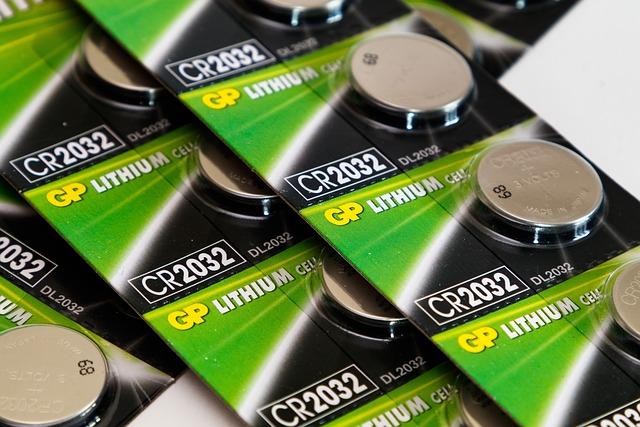
San Francisco is on the verge of enacting a new ordinance that would ban the sale and use of uncertified lithium-ion batteries within city limits. Aimed at addressing growing safety concerns and environmental risks associated with substandard batteries, the proposed legislation targets products lacking proper certification from recognized testing agencies. If approved, the measure would position San Francisco among the first major U.S. cities to implement strict regulations governing lithium-ion battery standards, signaling a significant step toward enhanced consumer protection and fire prevention.
SF ordinance targets uncertified lithium-ion batteries amid safety concerns
San Francisco lawmakers are advancing legislation aimed at curbing the sale and distribution of uncertified lithium-ion batteries, following a rise in incidents related to battery malfunctions and fires. The ordinance mandates that all lithium-ion batteries sold within city limits meet stringent safety certifications, including third-party testing and labeling to validate their compliance. Retailers and online marketplaces will be held accountable, facing penalties if they offer uncertified products to consumers.
Key provisions of the ordinance include:
- A requirement for all batteries to have UL 1642 or equivalent certification.
- Mandatory disclosure of battery origin and testing results for sellers.
- Fines reaching up to $10,000 per violation to deter illegal sales.
- Consumer education campaigns to promote awareness about safe battery use.
| Battery Type | Certification Required | Estimated Fire Risk |
|---|---|---|
| Certified Lithium-ion | UL 1642 / Equivalent | Low |
| Uncertified Lithium-ion | None | High |
Experts weigh in on potential impact for consumers and local businesses
Industry experts highlight that the ordinance is poised to enhance consumer safety by reducing the circulation of substandard lithium-ion batteries, which have been linked to fires and other hazards. However, some caution that the new regulation may inadvertently lead to higher prices for everyday consumers and complicate access to affordable replacement batteries. Local electronics retailers, especially smaller shops, could face challenges adapting to the certification requirements, potentially limiting product options on their shelves.
Business analysts suggest that while the ordinance promotes quality control, it also ushers in new compliance costs and administrative burdens. The impact is expected to vary:
- Consumers may benefit from safer products but must weigh cost increases.
- Local businesses will need to verify suppliers and may restructure inventory.
- Certified manufacturers could see growth opportunities as demand shifts.
| Stakeholder | Potential Impact | Mitigation Strategies |
|---|---|---|
| Consumers | Safer batteries but possible price increases | Educate on certification benefits; Look for rebates |
| Small Retailers | Compliance costs; Inventory disruptions | Partner with certified suppliers; Streamline certifications |
| Certified Makers | Market expansion; Increased demand | Scale production; Strengthen certification processes |
Recommendations for manufacturers and retailers to comply with new regulations
To ensure full compliance as the new ordinance approaches enactment, manufacturers and retailers must take immediate steps toward sourcing and distributing only certified lithium-ion batteries. It is critical to establish relationships with trusted suppliers who can provide proper documentation and testing certificates that verify battery safety standards. Additionally, updating inventory tracking systems to flag uncertified stock will help prevent inadvertent sales that violate the regulation.
Best practices for compliance include:
- Implementing rigorous quality control checkpoints before product shipment
- Training sales staff on identifying certification labels and customer advisory responsibilities
- Maintaining transparent records to demonstrate adherence during inspections
- Engaging in proactive communication campaigns to educate consumers on safe battery usage
| Action | Benefit |
|---|---|
| Verify Certification Before Purchase | Reduces risk of fines and product recalls |
| Label and Market Only Certified Products | Builds consumer trust and brand integrity |
| Conduct Periodic Supplier Audits | Ensures ongoing compliance with evolving standards |
Future Outlook
As San Francisco moves closer to enacting its ordinance banning uncertified lithium-ion batteries, stakeholders across the tech and retail sectors are closely monitoring the developments. Advocates argue the measure will enhance public safety and environmental protection, while some business groups express concerns over compliance challenges and supply constraints. The final vote is expected in the coming weeks, marking a significant step in the city’s efforts to regulate potentially hazardous consumer products and set a precedent for other municipalities considering similar actions.