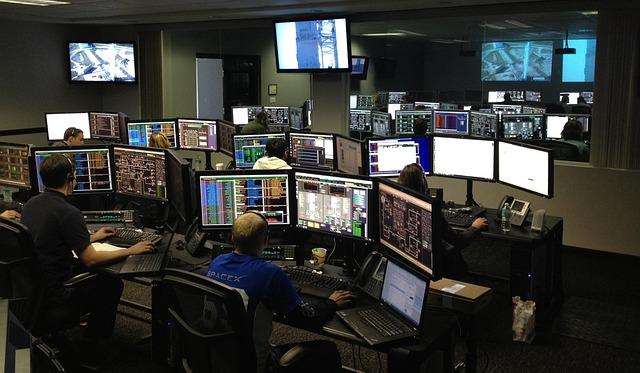
San Francisco officials have announced an extension of the city’s moratorium on new data center developments, citing unresolved concerns in the environmental impact report. The pause, initially put in place to address potential effects on local infrastructure and energy consumption, will remain until further assessments are completed. This decision underscores growing tensions between the tech industry’s expansion and the city’s commitment to sustainability and community well-being.
San Francisco Delays Data Center Approvals Over Environmental Concerns
San Francisco city officials have announced an extension of the moratorium on new data center approvals, raising significant environmental concerns that have yet to be thoroughly addressed. The decision comes after a critical review identified substantial gaps in the current Environmental Impact Report (EIR), particularly relating to energy consumption and water usage in the rapidly growing tech infrastructure sector. City planners emphasized the need for a more comprehensive assessment before allowing additional projects to proceed, underscoring the delicate balance between economic growth and sustainability goals.
Among the key issues flagged are:
- Energy Demand: Unclear projections on future electricity consumption and renewable energy sourcing.
- Water Usage: Inadequate analysis of data centers’ impact on local water resources, especially during drought conditions.
- Carbon Emissions: Insufficient evaluation of greenhouse gas emissions over the operational lifespan of proposed facilities.
| Environmental Factor | Current Report Status | Required Improvements |
|---|---|---|
| Energy Usage | Preliminary estimates | Detailed modeling by utility partners |
| Water Impact | Limited scope | Comprehensive drought scenario analysis |
| Carbon Footprint | Underreported | Full lifecycle emission assessment |
Experts Identify Key Shortcomings in Impact Report Affecting Urban Planning
Urban planning experts have raised significant concerns regarding the recent environmental impact report, pointing to critical oversights that could impede sustainable development efforts in San Francisco. Key issues highlighted include inadequate assessment of long-term carbon emissions, insufficient consideration of community displacement risks, and a lack of comprehensive data on traffic congestion impacts related to new data center developments. These gaps have fueled calls for more rigorous analysis to ensure urban growth aligns with the city’s ambitious climate and housing goals.
Among the specific shortcomings identified:
- Incomplete baseline data: The report fails to account for current energy consumption trends within affected neighborhoods.
- Insufficient stakeholder engagement: Local residents and small businesses reported feeling excluded from the impact assessment process.
- Limited alternatives analysis: The study provides minimal exploration of alternative development scenarios with lower environmental footprints.
| Issue | Expert Feedback | Potential Consequence |
|---|---|---|
| Carbon Emissions Data | Data outdated and incomplete | Underestimated environmental impact |
| Traffic Impact | Limited scope and analysis | Increased congestion risk |
| Community Involvement | Minimal public input | Social equity concerns |
City Officials Urge Comprehensive Review and Stricter Sustainability Measures
Amid growing concerns over the environmental footprint of expanding data infrastructure, San Francisco’s city officials are calling for a thorough reassessment of the current environmental impact report. They argue that the existing documentation lacks sufficient detail on key sustainability factors such as energy consumption, water usage, and heat emission, critical to understanding the cumulative effects of new data center projects. City supervisors emphasized the need for transparency and science-based policies to align development with the city’s ambitious climate goals.
Officials outlined several core areas requiring fortified guidelines and enhanced monitoring efforts:
- Renewable energy mandates to ensure data centers rely primarily on clean power sources
- Water conservation standards to minimize strain on local resources
- Heat dissipation controls to reduce urban heat island effects
- Community impact assessments addressing noise, traffic, and public health concerns
These measures aim to close critical gaps and safeguard San Francisco’s sustainability objectives as the tech infrastructure landscape evolves.
| Review Focus | Current Status | Proposed Enhancement |
|---|---|---|
| Energy Usage | Partial data | Mandatory renewable sourcing |
| Water Consumption | Lacking metrics | Strict reduction targets |
| Environmental Reporting | Outdated analysis | Real-time monitoring implementation |
In Retrospect
As San Francisco moves forward with its extended moratorium on new data center developments, city officials emphasize the need for a comprehensive environmental impact report to address unresolved concerns. The decision underscores the growing tension between tech industry growth and the city’s commitments to sustainability and community welfare. Stakeholders on all sides await further analysis, which will play a crucial role in shaping the future of the city’s data infrastructure and environmental policies.