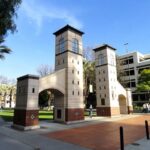


San Francisco is facing a growing housing shortage that city officials warn could reshape the skyline and transform neighborhoods across the region. As demand for affordable homes continues to outpace supply, policymakers are increasingly considering measures such as taller buildings and expanded upzoning to address the crisis. These potential changes signal a significant shift in urban planning, sparking debates over density, community impact, and the future of San Francisco’s residential landscape.
Rising Demand Sparks Debate Over Increased Building Heights in San Francisco
The ongoing housing crisis in San Francisco has intensified conversations around allowing increased building heights and expanding upzoning initiatives. Advocates argue that raising building limits is crucial to address the city’s dwindling supply of affordable homes, easing skyrocketing rents and reducing displacement. With demand far outstripping supply, city planners and developers are pushing for more flexible zoning regulations that could enable the construction of taller residential towers, particularly in transit-rich neighborhoods where density can be efficiently supported.
However, this shift is not without controversy. Critics highlight concerns over preserving the city’s unique architectural fabric and fear that rapid vertical growth could exacerbate infrastructural strains and alter neighborhood dynamics. The debate, therefore, hinges on finding a balance between growth and livability. Below is an overview of key proposed height increases under current discussions:
| Neighborhood | Current Max Height | Proposed Max Height | Development Focus |
|---|---|---|---|
| SOMA | 250 ft | 350 ft | Mixed-Use Towers |
| Mission Bay | 200 ft | 300 ft | Residential & Commercial |
| Downtown | 400 ft | 500 ft | High-Density Office & Housing |
- Proponents: Emphasize affordability, urban efficiency, and curbing urban sprawl.
- Opponents: Stress cultural preservation, environmental impacts, and community identity.
Upzoning Initiatives Aim to Alleviate Housing Crisis but Face Community Pushback
City planners and housing advocates argue that increasing building heights and loosening zoning restrictions are critical steps toward addressing San Francisco’s severe housing shortage. By allowing higher-density developments, the city hopes to encourage the construction of more residential units, especially in neighborhoods traditionally limited to low-rise buildings. Proponents emphasize the potential benefits, including:
- More affordable housing options through increased supply
- Reduced urban sprawl by maximizing land use
- Better transit-oriented development supporting sustainable growth
However, these proposals are meeting resistance from local residents concerned about preserving neighborhood character and infrastructure strain. Critics highlight potential downsides such as increased traffic congestion and loss of sunlight in established communities. This tension has led to heated debates at city council meetings, with residents demanding:
- Stronger community engagement before approvals
- Limits on building heights to protect neighborhood aesthetics
- Improved infrastructure investment to handle population increases
| Aspect | Arguments For | Arguments Against |
|---|---|---|
| Building Heights | Allows more units | Shadows, skyline changes |
| Zoning Changes | Encourages density | Alters neighborhood feel |
| Infrastructure | Supports growth | Risk of overburdening |
Experts Call for Balanced Policies to Encourage Growth While Preserving Neighborhood Character
City planners and housing experts are urging policymakers to adopt a measured approach that stimulates development without erasing the unique qualities of San Francisco’s diverse neighborhoods. While addressing the critical housing shortage is imperative, many emphasize that growth strategies must incorporate community input and safeguard historic architecture, local businesses, and green spaces. The consensus points toward a nuanced form of upzoning-allowing increased density in targeted corridors while maintaining existing zoning limits in more sensitive areas.
Key recommendations from experts include:
- Incremental height increases in transit-rich zones to minimize traffic and infrastructure strain.
- Incentives for affordable housing integrated into new developments to ensure economic diversity.
- Preservation overlays protecting landmarks and neighborhood character from drastic alteration.
- Community-driven design guidelines promoting architecture that blends with existing aesthetics.
| Policy Aspect | Potential Impact | Expert Priority |
|---|---|---|
| Height Limits | Balanced skyline growth | High |
| Zoning Flexibility | Increased housing options | Medium |
| Community Engagement | Neighborhood support | High |
| Affordable Housing Mandates | Economic inclusivity | High |
Wrapping Up
As San Francisco grapples with its persistent housing shortage, the push for taller buildings and expanded upzoning represents a significant shift in the city’s approach to urban development. While these measures aim to increase housing supply and affordability, they also raise questions about neighborhood character and infrastructure capacity. As policymakers and residents weigh these trade-offs, the coming months will be critical in shaping the city’s skyline-and its future housing landscape.