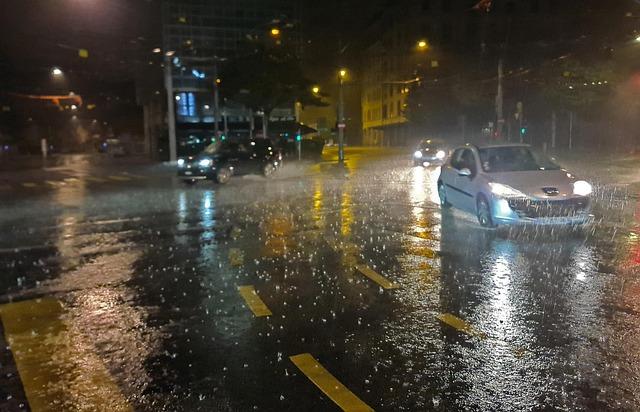
SAN FRANCISCO – Autonomous vehicle operator Waymo has temporarily suspended its services after one of its self-driving cars was seen blocking a flooded roadway in the city. The incident, captured on video and circulated widely, occurred amid heavy rains that have inundated several streets across San Francisco. Local authorities and the company are currently assessing the situation as commuters face delays and disruptions.
Waymo Autonomous Vehicles Halted on Flooded San Francisco Streets Impacting Local Commuters
San Francisco commuters faced unexpected delays as Waymo’s autonomous vehicles came to a complete stop on several flooded streets in the city. The self-driving cars, designed to navigate complex urban environments, were unable to proceed safely due to the significant water accumulation. Local residents reported seeing the vehicles lined up along major thoroughfares, creating backups during peak travel hours. This interruption forced Waymo to suspend its ride-hailing services temporarily, leaving many users seeking alternative transportation options amidst the heavy rainfall.
Key impacts on local commute:
- Multiple Waymo vehicles stranded on flood-prone routes
- Temporary suspension of ride-hailing services throughout affected areas
- Increased traffic congestion as commuters shifted to personal and public transit
- Operational safety protocols triggered to prevent vehicle damage
| Location | Flood Depth | Service Status |
|---|---|---|
| Market Street | 6 inches | Halted |
| Van Ness Avenue | 8 inches | Halted |
| Mission District | 5 inches | Suspended |
Insight into Waymo’s Safety Protocols During Severe Weather Conditions and Flood Response
Waymo’s autonomous fleet demonstrated a rigorous and proactive approach to navigating the unprecedented challenges posed by San Francisco’s recent flooding event. The company’s vehicles were preemptively programmed to avoid affected zones, actively blocking access to submerged roadways to protect passengers and prevent further hazards. This real-time responsiveness is underpinned by a multi-layered safety protocol that integrates advanced weather forecasting data, vehicle sensor arrays, and centralized traffic management systems, ensuring that autonomous operations are suspended promptly when environmental conditions become unsafe.
Key safety measures during severe weather and flood conditions include:
- Dynamic geofencing to restrict vehicle entry into flooded or high-risk areas
- Automated suspension of ride services until clearance from local authorities is obtained
- Continuous monitoring of weather alerts and ground sensor data to adjust routing instantly
- Operational coordination with emergency services to assist in flood response efforts
| Safety Protocol | Description | Activation Trigger |
|---|---|---|
| Geofencing | Virtual boundaries prevent vehicle entry into hazardous zones | Floodwater detection & emergency alerts |
| Service Suspension | Pausing ride requests and vehicle dispatch in affected areas | Severe weather warnings & road closure notifications |
| Real-time Monitoring | Sensor data and live weather integration for route adjustments | Continuous during adverse conditions |
| Emergency Coordination | Direct communication with disaster response teams | Flood response activation |
Recommendations for Riders and City Officials to Enhance Transportation Resilience Amid Urban Flooding
To minimize disruptions caused by urban flooding, riders should proactively plan alternative routes and stay informed through real-time traffic updates and emergency alerts. Utilizing apps that track road conditions and transit availability can help avoid flooded areas and reduce the risk of getting stranded. Additionally, carrying essential safety gear, such as waterproof footwear and portable chargers, ensures preparedness during unexpected service suspensions. Riders are also encouraged to report flooded roadways promptly, assisting authorities in rapid response efforts.
City officials must prioritize integrating smart infrastructure to bolster flood resilience. This includes installing improved drainage systems, flood sensors, and adaptive traffic controls that can dynamically reroute vehicles during extreme weather events. Collaborating with ride-share companies and automated vehicle operators to create coordinated response plans can further improve mobility when traditional roads are compromised. Below is a snapshot of recommended actions for city planners and commuters:
| Stakeholder | Key Action | Expected Benefit |
|---|---|---|
| Riders | Use flood-aware navigation tools | Enhanced safety and reduced delays |
| City Officials | Upgrade drainage and install flood sensors | Improved road durability and real-time monitoring |
| Both | Establish communication protocols for emergencies | Faster incident response and coordination |
Key Takeaways
As flooding continues to impact parts of San Francisco, Waymo’s suspension of service along the affected roadway underscores ongoing challenges for urban transportation amid severe weather. Authorities urge commuters to seek alternative routes and stay informed through official updates as crews work to address the flooding. KRON4 will continue to monitor the situation and provide timely coverage on service restorations and safety advisories.