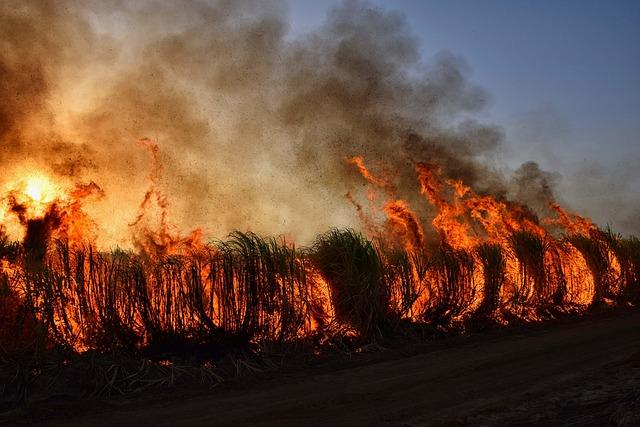
California Governor Gavin Newsom’s efforts to shield utility companies from extensive wildfire-related liabilities have hit a major obstacle, as an eleventh-hour agreement stalled in the state legislature. The plan, aimed at limiting the financial responsibility of utilities for wildfire damages, faced fierce opposition from lawmakers and advocates who argue it undermines accountability and protections for affected communities. This unexpected development complicates the state’s ongoing battle with devastating wildfires and raises critical questions about how to balance utility regulation, wildfire prevention, and the rights of victims.
Newsom Faces Setback as Wildfire Liability Reform Blocked in Final Hours
In a dramatic turn of events, efforts to pass Governor Gavin Newsom’s wildfire liability reform collapsed during the final hours of the legislative session. The proposed legislation, aimed at limiting utilities’ financial responsibility for wildfire damages, encountered staunch opposition from consumer advocates and key lawmakers who argued the measure would shield utility companies at the expense of victims and public safety. Critics contended that the reform would effectively reduce accountability, potentially delaying critical investments in wildfire prevention and safety upgrades.
The sudden impasse has left California’s wildfire policy landscape uncertain amid escalating climate threats and increasingly devastating fire seasons. Below is a snapshot of the major stakeholders’ positions and expected impacts moving forward:
- Utility Companies: Aim to cap liability to stabilize finances and avoid bankruptcy risks.
- Consumer Groups: Oppose limits that could reduce compensation for wildfire victims.
- Legislators: Divided between economic concerns and protecting communities.
| Stakeholder | Position | Impact if Passed |
|---|---|---|
| Utilities | Support | Financial risk capped |
| Consumers | Oppose | Reduced payouts |
| Legislators | Mixed | Polarized voting |
Implications for Utilities and Fire Victims Amid Growing Pressure on Accountability
In the wake of the recently collapsed agreement, utilities face mounting scrutiny and potential financial exposure as wildfire victims demand greater accountability. The failure to pass Gov. Newsom’s proposed caps on liability leaves companies vulnerable to full restitution costs, signaling a sharp shift from prior legislative protections. For communities ravaged by wildfires, this development is a significant victory in their fight for justice, offering renewed hope that utility companies will be held responsible for damages caused by negligence or infrastructure failures.
Stakeholders on both sides are now navigating a complex landscape:
- Utilities brace for increased claims, impacting financial stability and future investment in safety measures.
- Fire victims gain leverage in legal battles, enhancing prospects for compensation and restoration.
- Policymakers face pressure to design frameworks balancing corporate accountability with wildfire prevention incentives.
| Aspect | Pre-Deal Scenario | Post-Deal Implications |
|---|---|---|
| Utility Liability | Limited by cap | Potentially unlimited |
| Victim Compensation | Restricted claims | Full claims allowed |
| Financial Impact | Predictable liabilities | Higher risk exposure |
Experts Call for Clearer Policies and Enhanced Safety Measures to Prevent Future Disasters
In the aftermath of the recent legislative impasse, safety experts have highlighted the urgent need for utilities to adopt more transparent and stringent policies to mitigate wildfire risks. Industry leaders and fire safety advocates emphasize that vague liability limits often hinder proactive measures, leaving communities vulnerable. Calls for comprehensive risk assessments, real-time monitoring technologies, and improved vegetation management around power lines are dominating conversations among stakeholders. Crucially, experts urge lawmakers to prioritize accountability to ensure utilities invest adequately in prevention rather than reactive compensation.
Key recommended safety measures include:
- Implementation of advanced weather forecasting and fire prediction systems
- Mandatory infrastructure upgrades to resist extreme environmental conditions
- Enhanced community education programs on wildfire preparedness
- Regular third-party audits of utility safety practices
| Measure | Expected Impact | Timeline |
|---|---|---|
| Advanced Weather Monitoring | Early fire detection and prevention | 12-18 months |
| Infrastructure Hardening | Reduced equipment failure in high winds | 2-3 years |
| Community Outreach | Increased public awareness and readiness | 6-12 months |
| Third-Party Audits | Improved compliance and transparency | Ongoing |
To Conclude
As negotiations faltered in the final hours, Governor Newsom’s proposal to cap utilities’ wildfire liability faced a significant setback, leaving California’s approach to wildfire prevention and accountability uncertain. With the legislative impasse highlighting the complexities of balancing utility protections and public safety, stakeholders now await further discussions on crafting a solution that can address the state’s escalating wildfire risks while ensuring responsible corporate conduct. The outcome of this ongoing debate will be critical in shaping California’s wildfire policy for years to come.